The short version
- Democratic leaders plan to introduce legislation reversing recent Medicaid cuts and extending Affordable Care Act subsidies shortly after the new Congress convenes.
- Efforts to end military engagement with Iran and reverse certain trade tariffs are also central to the early legislative agenda.
- President Trump has signaled an intent to veto these measures, creating a high-stakes political confrontation that may define the path to the 2028 election.
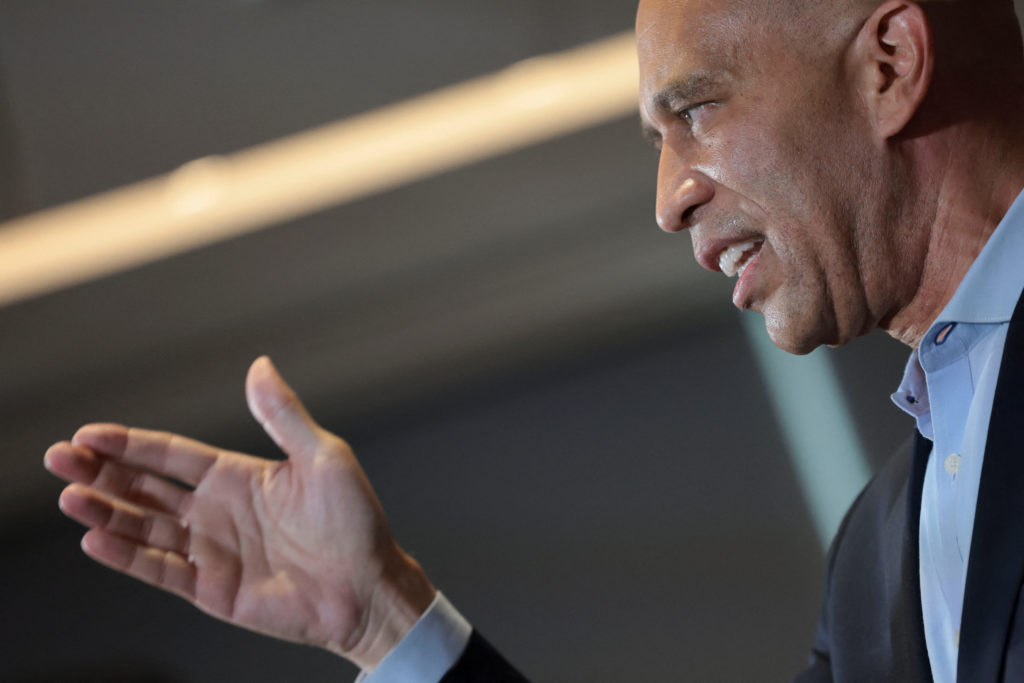
House Democratic leaders have identified healthcare reform and foreign policy adjustments as their primary objectives for the start of the new congressional term. With the swearing-in scheduled for January 3, the incoming majority intends to move quickly on legislation designed to lower costs for consumers and alter current executive actions. Rep. Hakeem Jeffries of New York, who is positioned to become the next House speaker, emphasized that the party aims to begin work immediately upon taking office.
The initial legislative push will focus heavily on reversing changes made to Medicaid eligibility and funding. Previous Republican-led legislation imposed new administrative hurdles and work requirements, which critics argue have reduced access to care. Data from health policy research organization KFF indicates that Medicaid enrollment has declined by approximately five million people, or seven percent, since the relevant bill was enacted in mid-2025. Democrats seek to restore funding levels and remove these barriers.
In addition to Medicaid, lawmakers plan to extend enhanced tax subsidies for individuals purchasing health insurance through the Affordable Care Act marketplace. These subsidies are designed to reduce premiums for millions of enrollees. While a similar measure previously passed the House with some bipartisan support, it failed to advance in the Senate. Democratic leaders believe there is potential for renewed cooperation on this specific issue, though they acknowledge that Republican willingness to collaborate remains uncertain and limited.
Foreign policy will also feature prominently in the early agenda. Democrats have committed to introducing legislation aimed at ending military operations involving Iran. This effort follows numerous previous votes on war powers resolutions in both chambers of Congress, including fourteen in the Senate and six in the House. The push reflects a desire to assert congressional authority over executive military actions and address public concern regarding ongoing conflicts.
Trade policy adjustments are another component of the proposed agenda. Lawmakers intend to reverse certain tariffs imposed by the Trump administration, arguing that these measures have contributed to higher costs for goods and services. This economic focus aligns with broader Democratic promises to reduce the cost of living for American families. Five working groups are currently developing detailed plans to address additional areas such as housing, energy, groceries, and caregiving.
Despite holding a substantial majority in the House, Democrats face significant hurdles in enacting their agenda. The Senate requires sixty votes to overcome potential filibusters, a threshold that may be difficult to reach given partisan divisions. Furthermore, President Trump has publicly indicated his intention to veto legislation passed by the new Congress. He posted an image of a red hat with the word 'VETO' on social media following the election results, signaling a confrontational approach to the incoming legislative session.
Senate Majority Leader John Thune of South Dakota predicted that the Democratic majority would result in two years of legislative paralysis. However, Senate Minority Leader Chuck Schumer of New York argued that even if bills are vetoed, the votes themselves serve a political purpose. He suggested that demonstrating support for popular issues like healthcare could resonate with voters during the upcoming 2028 presidential election, regardless of whether the legislation becomes law.
Beyond immediate priorities, Democrats are also preparing to address emerging technologies. Rep. Ted Lieu of California noted that artificial intelligence and data center regulation will be taken up in the coming term. He criticized previous Republican leadership for allowing the AI industry to operate without sufficient oversight. The new majority plans to hold public hearings and introduce legislation establishing guardrails for these rapidly evolving sectors.
The legislative strategy reflects a balance between immediate action and long-term political positioning. While passing bills may prove difficult due to Senate thresholds and presidential vetoes, Democrats view the process as an opportunity to frame key issues for voters. The success of this approach will depend on their ability to maintain unity within their own ranks and potentially secure enough Republican support to bypass procedural obstacles in the upper chamber.
As the new Congress prepares to convene, the focus remains on translating electoral victories into tangible policy outcomes. The stakes are high for both parties, with Democrats seeking to deliver on campaign promises and Republicans aiming to defend their legislative record. The coming months will likely be defined by intense negotiations and public debates over the direction of national healthcare, foreign policy, and economic regulation.
Sources behind this briefing
Go to the original reporting
- PBS NewsHour↗Boosting healthcare and ending the Iran war are top of the to-do list for House Democrats once they have majority


