The short version
- Democratic leaders have organized working groups to draft policies on healthcare, housing, and consumer costs ahead of a potential January takeover.
- The proposed agenda includes reinstating Affordable Care Act subsidies and reversing Medicaid reductions previously enacted by Republicans.
- Oversight committees are preparing broad investigations into the current administration, with impeachment remaining a possibility depending on findings.
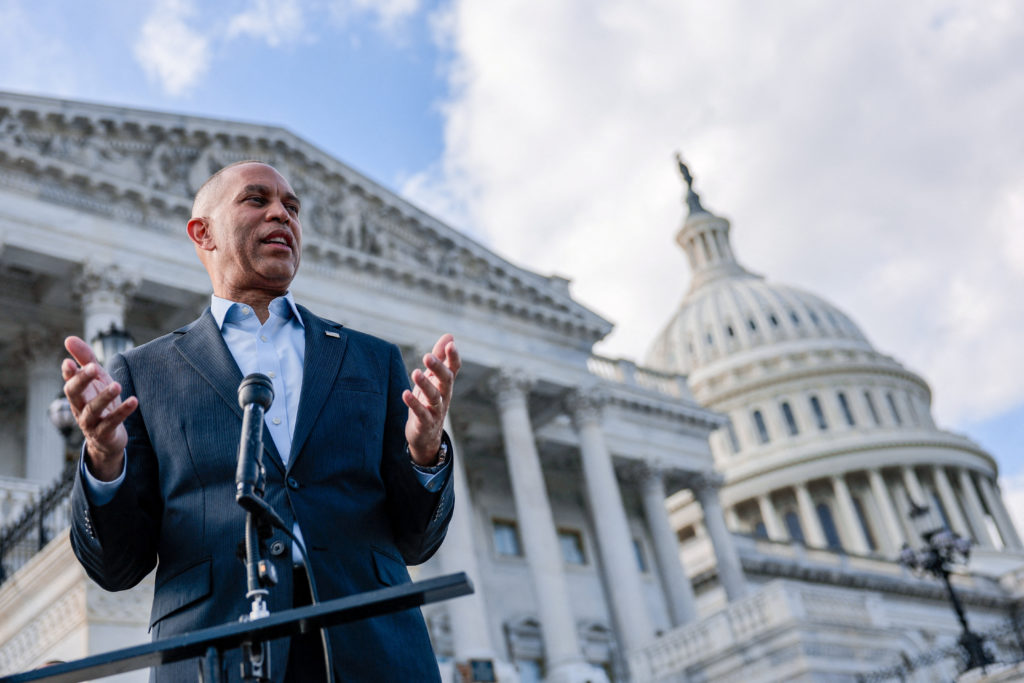
House Democrats are finalizing a comprehensive legislative plan designed to take effect immediately if the party secures a majority in the upcoming midterm elections. The strategy centers on two primary objectives: reducing the cost of living for American households and conducting extensive oversight of the Trump administration. Democratic Leader Hakeem Jeffries, who is positioned to become Speaker should his party win, has emphasized that unity on these issues will be established from the moment the new Congress convenes in January.
The proposed agenda aims to launch within the first one hundred hours of the session. Central to this effort is the reinstatement of tax credits associated with the Affordable Care Act and the reversal of recent Republican-led cuts to Medicaid funding. Jeffries has framed these actions as essential responses to high inflation and economic strain, arguing that many hardworking citizens are struggling under current conditions. The party seeks to present a unified front on affordability, tapping into voter concerns about groceries, gas, utilities, and housing.
To prepare for this transition, Jeffries established five working groups months ago, each dedicated to a specific sector of the economy. These teams cover healthcare, housing, consumer goods, energy costs, and caregiving support. Each group is co-chaired by one progressive and one centrist Democrat, a structure intended to bridge ideological divides within the caucus. For instance, the healthcare working group is led by Representative Alexandria Ocasio-Cortez of New York and Representative Terri Sewell of Alabama. Their goal is to produce draft policies that can garner broad support across the party spectrum.
Internal cohesion remains a critical challenge for Democrats, who have been out of power in the House since 2023. The current Republican majority has faced significant disruptions from its own right flank, particularly the Freedom Caucus, which has frequently stalled legislative progress. Democratic leaders are keen to avoid similar gridlock. Representative Greg Casar, chairman of the Congressional Progressive Caucus, noted that while progressive members may push for ambitious reforms, their primary motivation is to pass legislation rather than obstruct it. This distinction, he argued, sets them apart from the far-right Republicans who have often paralyzed the chamber.
Despite these assurances, concerns persist about potential friction with newly elected members aligned with the Democratic Socialists of America. Some observers worry that a more ideologically diverse caucus could struggle to maintain discipline. However, representatives like Troy Carter of Louisiana, who hopes to lead the Congressional Black Caucus, have dismissed predictions of chaos. Carter suggested that those anticipating internal disarray are mistaken, emphasizing that the party is focused on governance and delivering results rather than engaging in performative conflict.
Alongside legislative priorities, Democrats are preparing for a robust oversight campaign. Ranking members of the House Oversight and Judiciary committees have been tasked with developing investigations into President Trump, his family, and his administration. This effort is part of a broader anti-corruption initiative that Jeffries has described as beginning on day one. While specific targets have not been fully detailed, the scope suggests a comprehensive review of executive actions and potential abuses of power. Impeachment remains an option, though leaders have indicated it is neither guaranteed nor ruled out at this stage.
The political stakes are high for both parties. Republicans, facing a challenging electoral environment, argue that their current agenda of tax cuts and spending reductions has strengthened the economy. Speaker Mike Johnson has stated that if his party retains control, they will continue these policies to foster economic growth. Conversely, Democrats contend that the current administration’s approach, including tariffs and military engagements such as the conflict in Iran, has exacerbated inflationary pressures. The midterm election thus becomes a referendum on these competing economic visions.
As the election approaches, Democratic strategists are focusing on closing messages that highlight affordability and accountability. They aim to demonstrate that they can govern effectively without the internal divisions that have characterized recent Republican leadership. The success of this plan will depend not only on winning seats but also on maintaining discipline among a diverse group of lawmakers. If executed as planned, the new Democratic majority would mark a significant shift in congressional priorities, moving from fiscal conservatism to expanded social safety nets and aggressive executive oversight.
The coming weeks will test whether Democrats can sustain this momentum and translate campaign promises into actionable policy. The working groups have already begun drafting proposals, but finalizing them requires consensus among members with varying ideological commitments. If the party fails to unite behind a clear agenda, it risks repeating the legislative paralysis seen in previous sessions. Conversely, a successful implementation could redefine the political landscape for the remainder of Trump’s term and beyond.
Ultimately, the outcome hinges on voter sentiment regarding economic conditions and trust in government institutions. Democrats believe that addressing immediate financial pressures will resonate with a broad electorate. By focusing on tangible issues like healthcare costs and grocery prices, they hope to distinguish themselves from their opponents. The next few months will reveal whether this strategy can overcome political headwinds and deliver on the ambitious promises outlined by party leadership.
Sources behind this briefing
Go to the original reporting
- PBS NewsHour↗Here's what's on House Democrats' agenda if they sweep to power in midterm elections


