The short version
- The House failed to advance impeachment articles against Defense Secretary Pete Hegseth after Republicans blocked a procedural vote.
- Charges include unauthorized military strikes in Iran and extrajudicial killings during maritime drug interdiction operations.
- Legal scholars argue that following illegal executive orders does not shield officials from accountability under the Constitution.
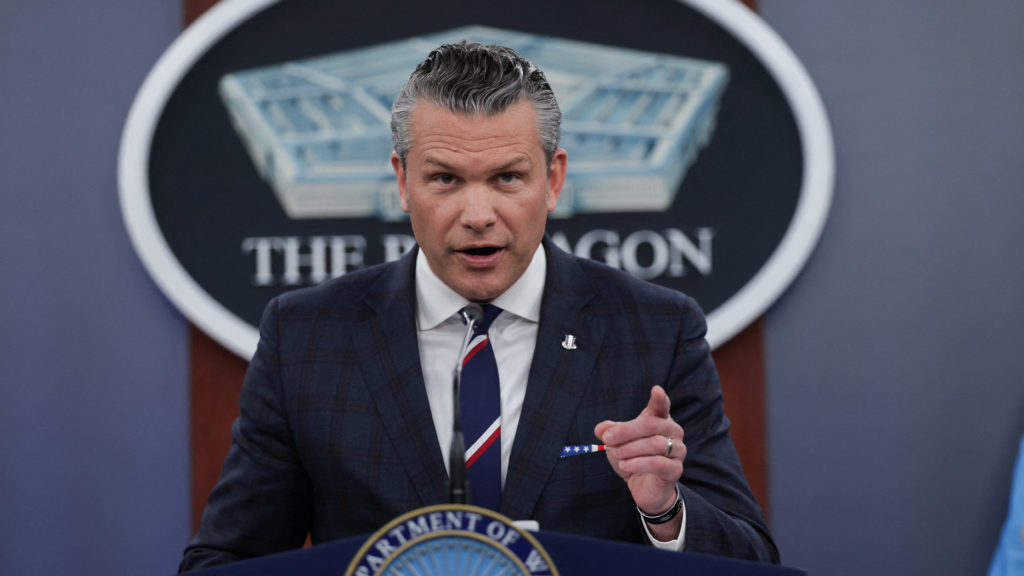
The United States House of Representatives effectively halted an impeachment inquiry against Defense Secretary Pete Hegseth on Tuesday, as Republican leaders blocked a procedural vote required to move the matter forward. The effort, initiated by Kentucky Representative Thomas Massie, had introduced eight articles accusing the defense chief of serious misconduct. By preventing the floor vote, the majority party short-circuited the process before any substantive debate or consideration of the charges could occur.
The articles of impeachment center on two primary allegations: the unauthorized use of military force against Iran and the conduct of lethal strikes against suspected drug smuggling vessels at sea. Representative Massie’s filing asserts that Secretary Hegseth violated the War Powers Resolution by directing attacks in Iran without congressional approval. This accusation places the defense secretary at the center of a long-standing constitutional debate regarding the separation of powers between the executive branch and Congress.
A second cluster of charges focuses on maritime operations targeting drug traffickers. Article Five specifically alleges extrajudicial killings, citing an incident where an initial strike left survivors who were subsequently killed in a follow-up attack. The articles contend that these actions constituted murder on the high seas rather than lawful acts of war. Over two hundred individuals have been reported as victims of these boat strikes, raising questions about the legal justification for using lethal force in what appears to be a law enforcement context.
Legal experts suggest that the administration’s defense rests on a controversial interpretation of executive authority. The White House has characterized the deaths in maritime operations as casualties within an armed conflict framework. However, military law specialists argue this classification is legally unsound. They describe the strikes as botched law enforcement efforts resulting in executions without trial, noting that the government has not released the legal opinions purportedly justifying these actions to the public.
The question of congressional authorization for war remains a central point of contention. While presidents from both major parties have historically ordered military strikes without explicit legislative approval, experts note that Congress has never declared war against Iran or the Houthis in Yemen. Engaging in hostilities that amount to war without such declaration is viewed by some legal scholars as falling squarely within the definition of high crimes and misdemeanors. The precedent set by previous administrations does not necessarily immunize current officials from accountability.
Secretary Hegseth has publicly dismissed the impeachment effort, labeling it a farce destined for failure. His comments reflect a broader strategy of minimizing the political impact of the charges. However, legal analysts emphasize that impeachment is a political process distinct from criminal prosecution, yet the conduct described in the articles could expose officials to separate legal risks. The lack of judicial conviction for the victims of the boat strikes underscores the gravity of the allegations regarding due process and rule of law.
A critical legal issue involves the defense of following orders. Some might argue that Hegseth was merely executing the commander-in-chief’s directives. Military justice experts reject this line of reasoning, stating that the president cannot unilaterally declare war or arrogate powers reserved for Congress. The Constitution binds all officials, and invoking superior orders does not absolve individuals of independent responsibility. Historical precedents, including cases from World War II and the Vietnam era, demonstrate that obedience to illegal commands is not a valid legal defense.
The potential for criminal liability extends beyond the political realm of impeachment. Murder on the high seas is a federal crime under Title 18 of the U.S. Code, applicable to all persons subject to federal jurisdiction, including government officials. If the boat strikes are characterized as murders rather than acts of war, Secretary Hegseth could theoretically face prosecution in civilian courts. This dual risk highlights the severity of the allegations, even if the immediate political process has been stalled.
The failure to hold a vote does not resolve the underlying legal and ethical questions raised by the articles. The absence of public legal justifications for the maritime strikes continues to fuel criticism from oversight bodies and legal scholars. As the debate over war powers persists, the incident serves as a flashpoint for broader discussions about executive accountability and the limits of presidential authority in foreign policy.
Moving forward, the impeachment effort remains dormant due to the procedural blockage. However, the articles remain part of the public record, preserving the allegations for future scrutiny. The tension between executive action and legislative oversight is likely to continue, particularly as questions regarding the legality of ongoing military operations persist. The outcome of this episode may influence how future administrations navigate the complex intersection of national security and constitutional law.
Sources behind this briefing
Go to the original reporting
- PBS NewsHour↗A breakdown of the impeachment articles filed against Pete Hegseth
- NPR↗House votes to effectively end the impeachment effort against Pete Hegseth
- The Guardian US Politics↗'It's a farce': Pete Hegseth dismisses impeachment effort against him – video


