The short version
- Over 2,500 claw machine shops now operate across Hong Kong, filling commercial voids left by pandemic closures.
- Consumer complaints alleging rigged odds and deceptive practices increased significantly in the past year.
- Authorities are considering stricter rules, including mandatory addiction warnings, following a legal ruling that left the industry unregulated.
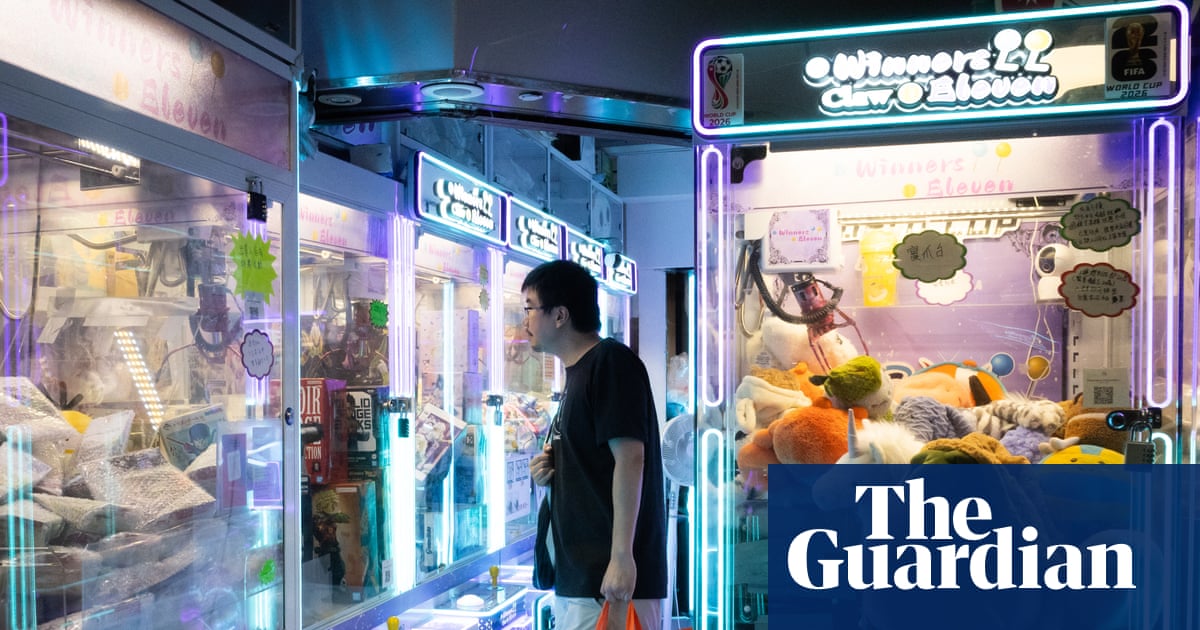
A wave of claw machine arcades has transformed the retail landscape in Hong Kong, with more than 2,500 venues now operating across the territory. These establishments have largely occupied commercial spaces that remained vacant after businesses shuttered during the global health crisis. The proliferation of these shops, many of which operate around the clock, has created a new form of leisure activity that draws participants from various age groups and socioeconomic backgrounds.
The appeal of these machines varies among players. Some individuals view the games as a low-cost method for stress relief, finding comfort in the simple mechanics of attempting to grab plush toys or collectible figures. For others, the activity offers a sense of escape from daily pressures. Participants describe the experience as a way to disconnect, with some operators even framing the games as tools for community connection and emotional well-being rather than purely commercial transactions.
However, the rapid growth of this sector has raised concerns regarding consumer protection and potential addiction. In May, the Home and Youth Affairs Bureau proposed implementing stricter regulations for these venues. The suggested measures include requiring operators to display warnings about the risks of addiction. This regulatory push comes as officials seek to address growing unease about the time and money individuals are dedicating to these games.
The legal status of claw machines in Hong Kong has been a point of contention. A court ruling in 2022 determined that these devices do not require public entertainment licenses, effectively leaving the industry without specific regulatory oversight. This exemption has allowed for unchecked expansion but has also created a vacuum in consumer safeguards. The lack of formal regulation means there are currently no standardized rules governing how these machines must operate or what information must be provided to players.
Consumer grievances have escalated sharply in recent months. Data from the Consumer Council indicates that complaints regarding claw machines jumped from 16 in 2023 to 138 in the following year. Many of these reports allege that operators manipulate the machines to reduce the likelihood of winning. Players have accused shop owners of using various methods to interfere with the mechanics, such as inserting objects into the prize holes or adjusting the crane’s speed and strength.
Specific allegations suggest that some operators use items like bamboo toothpicks, needles, or metal strips to narrow the openings where prizes are dispensed. These tactics reportedly make it significantly harder for players to successfully retrieve items, regardless of their skill level. Some participants feel that the games rely more on chance than ability, with one player comparing the experience to rolling dice due to the perceived lack of control over the outcome.
Despite the controversies, many users continue to engage with these machines regularly. Some players are motivated by the potential resale value of rare collectibles, such as specific dolls or Pokémon figures, which can command high prices in secondary markets. Others participate for social reasons, meeting friends at arcades to play together. The activity has become a shared pastime for some groups, providing a structured environment for social interaction.
Operators have responded to the criticism by emphasizing the positive aspects of their businesses. Some shop owners argue that the games provide joy and relaxation rather than pressure. One operator noted that he shares his own winnings with customers who are unsuccessful, aiming to foster a sense of community. He views the machines as a way to help young people cope with stress, suggesting that the activity serves a therapeutic function for many participants.
The situation remains fluid as authorities consider how to balance consumer protection with the freedom of business operations. The proposed regulations aim to address the surge in complaints without stifling an industry that has filled a significant gap in the local economy. As the debate continues, players and operators alike are watching to see how the government will define the boundaries of acceptable practice in this rapidly evolving sector.
The broader implications of this trend extend beyond individual arcades. The case highlights challenges in regulating new forms of entertainment that emerge in response to economic shifts. It also raises questions about how societies manage activities that blur the line between leisure and gambling-like behavior. As Hong Kong grapples with these issues, the outcome could set precedents for similar industries elsewhere.
Sources behind this briefing
Go to the original reporting
- The Guardian US↗Plushies, Labubu dolls and Pokémon collectibles: claw machine craze sweeps Hong Kong

