The short version
- Homeland Security Secretary Markwayne Mullin stated that ICE agents could be present at polling places if they are serving active warrants or responding to specific safety threats.
- The administration continues to assert widespread voter fraud despite a lack of evidence, with previous claims about non-citizen voting in Nevada significantly overstated.
- Military leadership has formally confirmed that no federal troops or National Guard members will be deployed to patrol polling sites or handle election materials during the upcoming midterms.
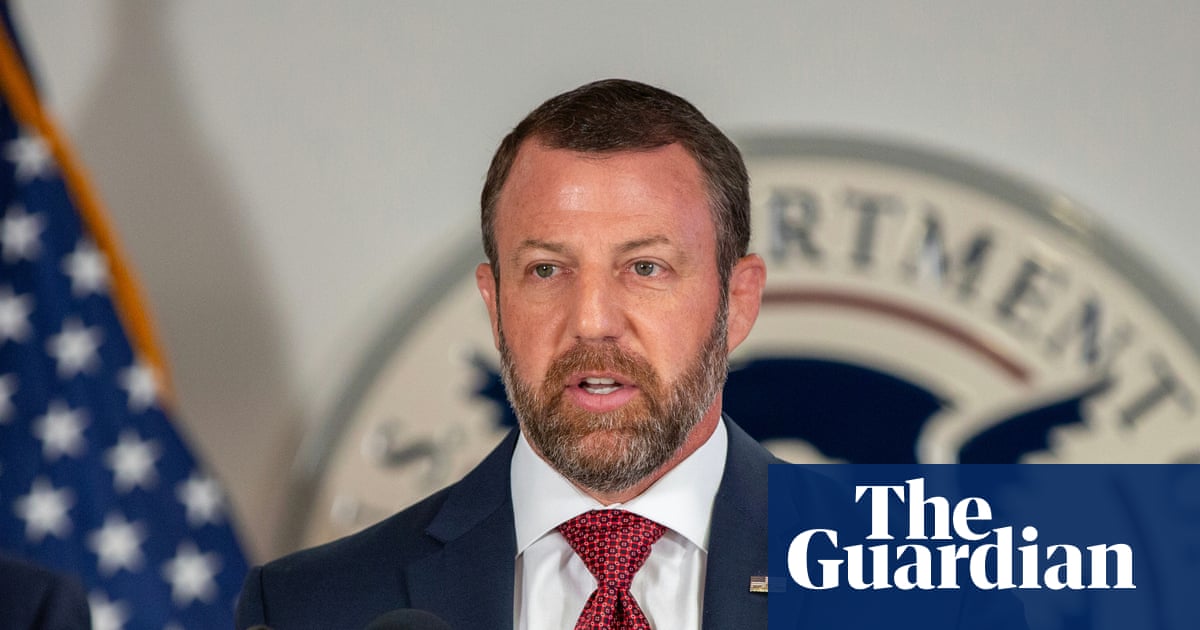
The Trump administration has clarified its stance on federal law enforcement presence at voting locations, with Homeland Security Secretary Markwayne Mullin indicating that Immigration and Customs Enforcement officers could appear at polling sites under specific circumstances. Speaking to reporters in New York, Mullin emphasized that the agency’s role is not to patrol elections but to enforce laws against identified threats or serve warrants on individuals they are actively tracking. This statement comes as concerns mount among voting rights advocates and Democratic officials regarding potential intimidation tactics ahead of the November midterm elections.
Mullin sought to distinguish between general surveillance and targeted enforcement, asserting that ICE agents would only be present if there was a direct threat to a specific location or if they were executing a warrant. The Department of Homeland Security reinforced this position in a separate statement, noting that operations are intelligence-driven and not aimed at targeting polling locations broadly. However, the possibility of federal agents appearing at these sites has reignited debates over election integrity and the potential for voter suppression through the visible presence of immigration enforcement personnel.
Critics have warned that such deployments could depress turnout by creating an atmosphere of fear among eligible voters, particularly in communities with significant immigrant populations. While the White House has generally downplayed suggestions of a coordinated effort to intimidate voters, President Trump has not ruled out the possibility of federal intervention at polling places. His continued skepticism regarding the integrity of past and future elections has fueled speculation that the administration may use law enforcement presence as a tool to challenge election results or influence voter behavior.
The controversy is compounded by previous statements from Mullin, who threatened to withhold federal aid from states that did not comply with homeland security directives aimed at combating alleged voter fraud. In July, he announced plans to scrutinize election records for ineligible voters, including non-citizens and deceased individuals, linking compliance to the receipt of grant funding. These assertions have been met with skepticism by experts who point out the administration’s failure to provide credible evidence of widespread non-citizen voting or other forms of electoral fraud.
One notable example of this discrepancy occurred in Nevada, where DHS officials initially claimed that up to 16,000 non-citizens might be registered to vote. Subsequent investigations revealed that only 185 of those individuals could actually be confirmed as non-citizens, highlighting the gap between administrative claims and verified data. This pattern of overstating fraud allegations has raised questions about the motivations behind the administration’s aggressive stance on election security and its reliance on unproven narratives to justify federal intervention.
In contrast to the ambiguity surrounding ICE deployments, the military’s role in election security appears clearly defined. Dan Caine, chair of the Joint Chiefs of Staff, recently wrote to Senator Elissa Slotkin confirming that there are no plans to deploy federal military personnel or federalized National Guard members to polling places during the 2026 elections. Caine’s letter explicitly stated that the military would not be used to seize ballots, voting machines, or other election-related materials, addressing concerns that armed forces might be leveraged to influence electoral outcomes.
Federal law already prohibits military personnel and other armed agents from being present at locations where general or special elections are held, providing a legal framework that limits the scope of federal intervention. Despite these restrictions, the potential for ICE agents to operate in these spaces remains a point of contention. While Mullin insists that their presence would be limited to specific law enforcement actions, critics argue that even the possibility of such deployments could have a chilling effect on voter participation.
As the midterm elections approach, the tension between federal security directives and local election administration continues to escalate. The administration’s insistence on rigorous scrutiny of voter rolls and its willingness to deploy immigration agents in response to perceived threats reflect a broader strategy aimed at asserting federal authority over electoral processes. Meanwhile, voting rights groups remain vigilant, monitoring any signs of irregularities or intimidation that could undermine the democratic process.
The coming months will likely see increased legal and political challenges as states and federal agencies navigate these competing priorities. With no clear evidence of widespread fraud to justify the administration’s measures, the focus may shift to the practical implications of having federal agents near polling places. Whether this presence serves a legitimate law enforcement purpose or functions as a deterrent to voting remains a critical question for policymakers, voters, and election officials alike.
Ultimately, the debate over federal involvement in elections underscores deeper divisions about trust in democratic institutions and the role of government in safeguarding them. As Mullin’s comments suggest, the administration is prepared to take decisive action if it perceives threats to election integrity, even in the absence of concrete proof. This approach raises significant concerns about the balance between security and civil liberties, setting the stage for a contentious electoral season.
Sources behind this briefing
Go to the original reporting
- The Guardian US Politics↗Trump homeland security chief says ICE agents could be sent to polling places