The short version
- New releases criticizing Mark Zuckerberg, Elon Musk, and Sam Altman face marketing restrictions on platforms owned by their subjects or allies.
- Amazon withdrew distribution for a film about OpenAI shortly after announcing a massive financial partnership with the artificial intelligence company.
- The simultaneous release underscores a broader industry trend where studios seek to balance artistic criticism with lucrative commercial relationships with tech firms.
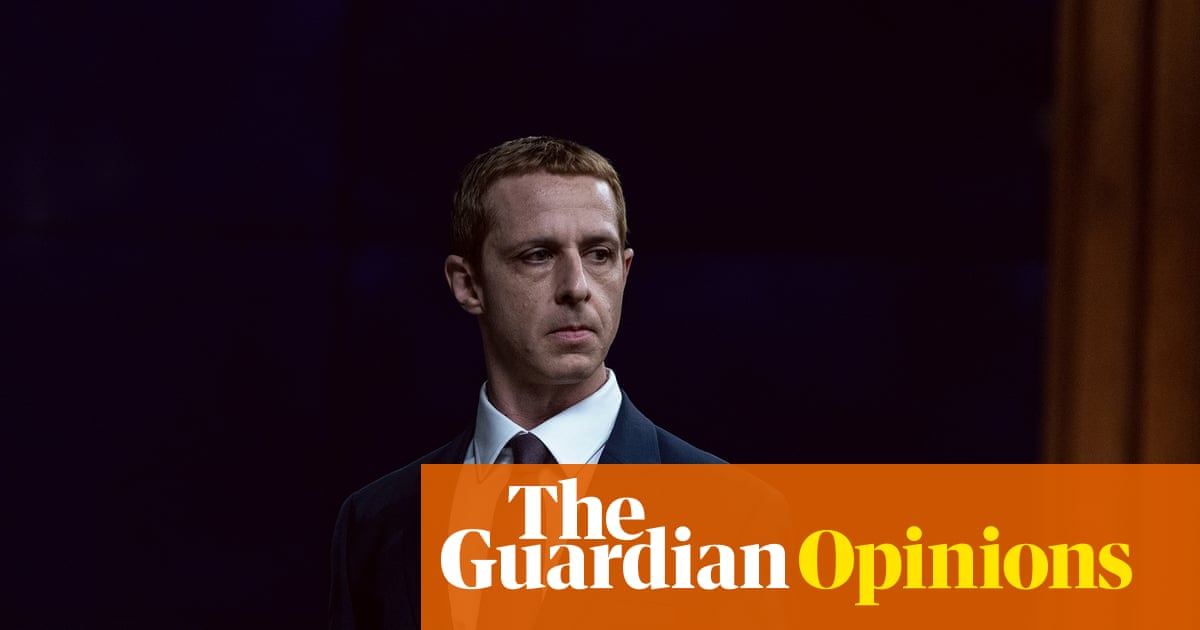
A trio of high-profile films focusing on prominent technology executives has arrived in theaters and streaming platforms, coinciding with a period of intense scrutiny regarding the influence of Silicon Valley. The releases include Aaron Sorkin’s drama about Mark Zuckerberg, a documentary examining Elon Musk, and a biopic centered on Sam Altman. While these projects present themselves as critical examinations of tech leadership, their production and distribution paths reveal significant constraints imposed by the very industry they critique.
The narrative focus of these films centers on specific controversies surrounding each executive. The Sorkin project revisits the whistleblowing efforts of Frances Haugen, alleging that Facebook’s algorithms contributed to political radicalization and mental health issues among teenagers. The documentary on Musk offers an extensive look at the SpaceX CEO’s career, while the film about Altman explores his turbulent tenure at OpenAI following the launch of ChatGPT. These stories tap into growing public skepticism toward the unchecked power of tech billionaires.
However, the commercial reality of releasing such content is complicated by deep financial entanglements between Hollywood and technology companies. Major studios have increasingly aligned themselves with tech wealth, from Amazon’s acquisition of MGM to Apple TV’s patronage of independent filmmakers. This convergence creates a conflict of interest when films attempt to criticize industry leaders whose companies are also major investors or partners in the entertainment sector.
Evidence of this tension emerged quickly during the marketing campaigns for these titles. Social media platforms owned by Musk, specifically X and TikTok, blocked advertisements for the documentary about him. Similarly, Amazon decided not to distribute the film about Sam Altman after announcing a fifty-billion-dollar strategic partnership with OpenAI. These actions suggest that tech companies are actively protecting their interests and those of their allies against negative publicity.
Legal precautions also played a role in shaping the final products. Sony Pictures hired an external law firm to vet every factual claim in the Zuckerberg drama, ensuring that the film avoided potential defamation lawsuits. While these measures lend the projects a veneer of legitimacy, they also limit the scope of criticism that can be safely presented to audiences. The resulting films may prioritize legal safety over hard-hitting investigative journalism.
The marketing strategies for these movies have leaned heavily on the controversy surrounding their distribution challenges. Anecdotes about blocked ads and withdrawn distributors are being used to generate buzz, framing the films as daring exposés that risked corporate retaliation. This approach appeals to audiences eager for behind-the-scenes revelations about Silicon Valley, even if the actual content is constrained by legal and financial considerations.
Beyond individual film releases, these projects reflect a broader shift in how technology companies view intellectual property. Firms like Meta, OpenAI, and xAI have been accused of scraping copyrighted scripts and books to train their artificial intelligence models without permission. While some studios have filed lawsuits against AI companies for alleged theft, others have chosen to invest directly in the technology, seeking a share of the profits rather than fighting the trend.
The reception of these films will likely be influenced by existing public sentiment toward tech leaders. Surveys indicate that younger Americans are already expressing doubt about figures like Zuckerberg, Musk, and Altman. The movies may amplify this skepticism, but they are also products of an industry that relies on tech platforms for distribution and audience engagement. This paradox limits their potential to serve as a unified front against big tech impunity.
As the entertainment industry continues to integrate with technology firms, the line between artistic expression and commercial accommodation becomes increasingly blurred. The upcoming Oscar campaigns for these films will likely highlight their production struggles, but long-term impact on public perception remains uncertain. The convergence of Hollywood and Silicon Valley ensures that future critiques of tech power will face similar structural challenges.
Ultimately, the release of these three films serves as a case study in the difficulties of holding powerful industries accountable through mainstream media. While they offer compelling narratives about individual executives, their ability to effect systemic change is limited by the financial dependencies that bind Hollywood to Silicon Valley. The coming months will reveal whether audience interest translates into meaningful pressure on tech companies or remains confined to entertainment discourse.
Sources behind this briefing
Go to the original reporting
- The Guardian US↗Will the Zuckerberg, Musk and Altman movies make a dent on tech giant evangelism?