The short version
- Pagosa Springs faces a potential catastrophic flood event with river levels projected to exceed the devastating 1911 benchmark.
- Mandatory evacuations are in effect for communities in Arizona and New Mexico, including Sedona, Gisela, and Camp Verde, due to swollen rivers and flash flooding.
- Infrastructure failures include closed highways, backed-up sewage systems, and trapped residents, with emergency response capacity severely limited by the storm's intensity.
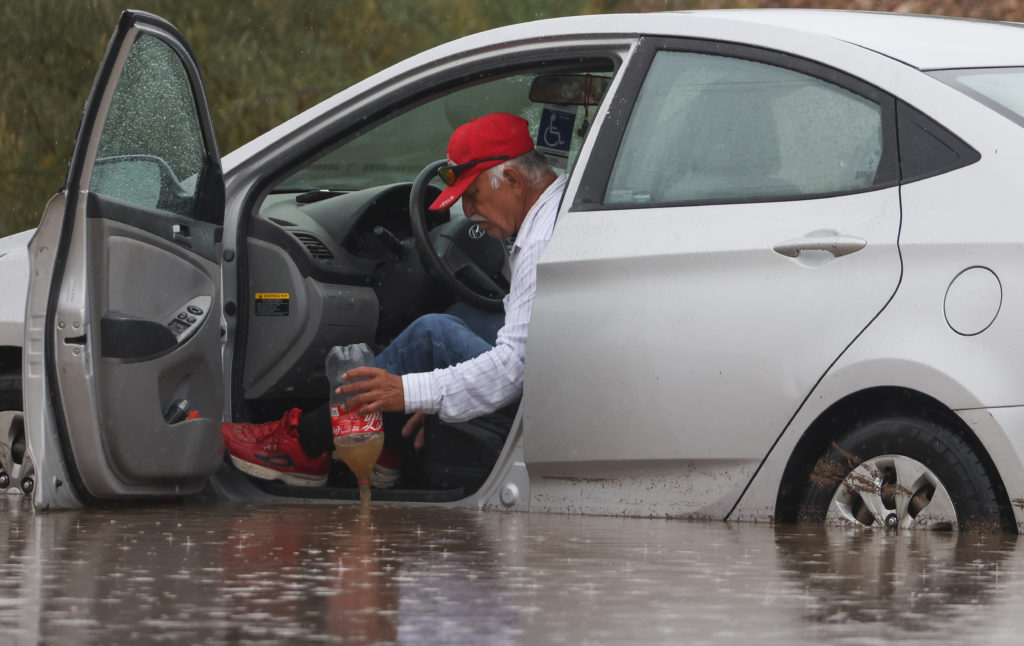
A severe weather system has unleashed heavy rainfall across the American Southwest, triggering mandatory evacuations and flash flooding in parts of Colorado, Arizona, and New Mexico. The deluge, which began late Saturday and is expected to persist through Monday, has saturated ground that was already wet from previous storms. This accumulation has overwhelmed drainage systems and caused rivers to swell rapidly, creating dangerous conditions for residents in regions accustomed to arid climates.
In Pagosa Springs, Colorado, officials have issued dire warnings as the San Juan River approaches historic high-water marks. The town, known for its hot springs and proximity to ski resorts, is bracing for a crest forecast to exceed 20 feet late Sunday night. Local authorities described the situation as potentially catastrophic, noting that the projected levels would surpass those of the devastating 1911 flood, which reached approximately 17.8 feet and wiped out much of the town’s original infrastructure. By sundown on Sunday, the river had already risen to about 14 feet.
Emergency measures in Pagosa Springs include road closures and evacuation orders for residents in low-lying areas along several rivers, including the San Juan, Rio Blanco, Navajo, and Piedra. Authorities have urged those not under immediate evacuation orders to remain indoors and avoid contact with the river due to sewage discharge. A local church has been designated as a shelter, but officials warned that emergency crews may be extremely limited during the peak of the storm. Residents expressed concern over the potential loss of the single bridge connecting the town to supply routes for food and fuel.
Similar emergencies are unfolding across Arizona, where nonstop rain in Flagstaff has flooded roads and overwhelmed storm drains. Police reported searching for a man who fell into fast-moving floodwaters and did not resurface. In Sedona, officials ordered immediate evacuations for residents near Oak Creek after floodwaters trapped multiple people in their homes. Nearby Yavapai County and the community of Camp Verde issued similar orders for those living near swollen waterways.
Further southeast, Gila County ordered the total evacuation of Gisela, a small community along Tonto Creek. The widespread nature of the flooding has led to highway closures across multiple states. In Tucson, located more than 200 miles south of Sedona, authorities conducted swift boat rescues amid flash floods and river surges. A National Weather Service meteorologist noted that the region is receiving two or three months of typical rainfall in just a couple of days.
Infrastructure strain is evident throughout the affected areas. In the Pinetop-Lakeside area, sanitary districts reported manhole covers popping up and sewage backing up into homes due to the volume of water. In Flagstaff, volunteers gathered outside Our Lady of Guadalupe Church to fill sandbags, attempting to protect the building’s basement and office spaces from rising water. Despite efforts to pump out accumulated water, residents reported that the pumps could not keep pace with the influx.
The National Weather Service has issued flood warnings and watches for nearly all of Arizona, parts of southern Utah, southwestern Colorado, western New Mexico, and southern Nevada. These alerts cover the sparsely populated Four Corners region where the four states meet. Previous storms had already soaked national parks such as Zion and Capitol Reef, leading officials to warn that backcountry roads would likely become impassable due to excessive runoff.
The current weather pattern is fueled by a series of Pacific storm systems, with estimates suggesting up to 4 inches of rain could fall across the region. As the storm continues, authorities emphasize the urgency of evacuation orders, advising residents not to delay leaving their homes. The combination of saturated soil, rapid river rises, and limited emergency access creates a volatile environment that poses significant risks to life and property in the Southwest.
Sources behind this briefing
Go to the original reporting
- PBS NewsHour↗Flash flooding triggers evacuations in Southwest and a dire warning for a Colorado spa town


