The short version
- High diving competitions resumed in the Seine after a brief suspension caused by detected hydrocarbons upstream.
- The event marks part of the broader European Aquatics Championships, returning elite sport to the river two years after the Paris Games.
- Officials acknowledge that while massive investments have improved water safety, outdoor events remain vulnerable to unpredictable environmental factors.
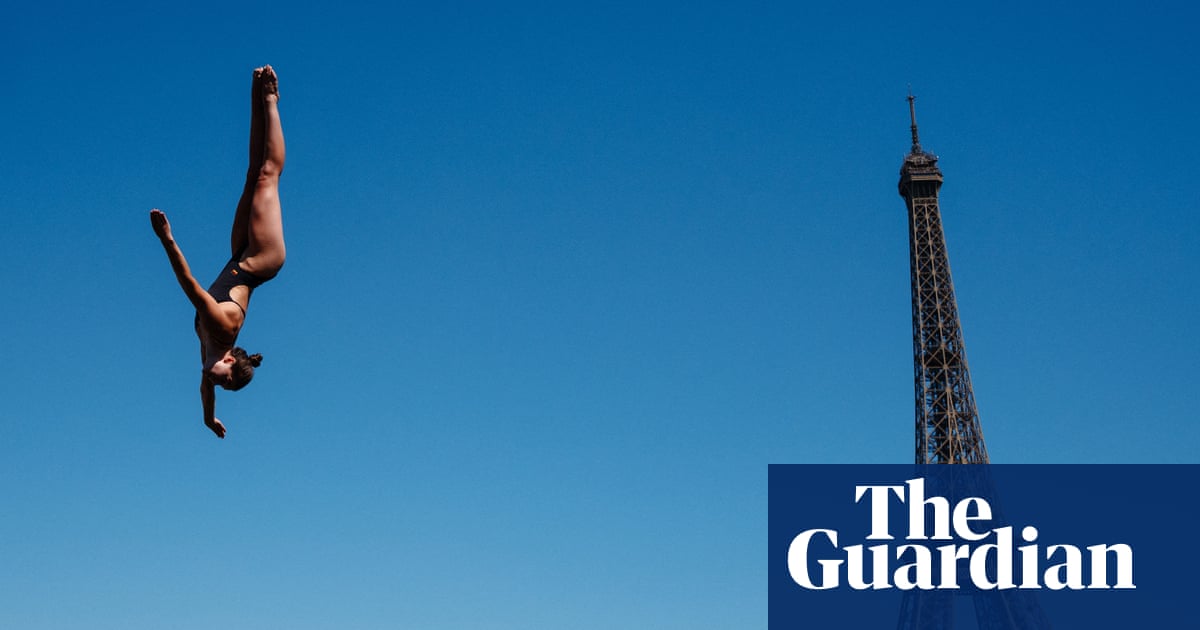
Paris is hosting its first high-diving competition in the Seine River, with athletes launching from a twenty-meter platform near the Eiffel Tower. This event serves as a prominent test of the city’s ongoing efforts to reclaim the waterway for sport and recreation. The competition is part of the thirty-eighth European Aquatics Championships, which are taking place across multiple disciplines including swimming, diving, artistic swimming, open-water swimming, and high diving. More than one thousand athletes are participating in these events, which run through August 16.
The return of elite sport to the Seine marks a significant milestone for Paris, which last hosted such championships in 1931. The current games also commemorate the centenary of the inaugural championships held in Budapest in 1926. For the French capital, this is a symbolic return to form, placing the river back at the center of international sporting attention two years after the Paris Olympic and Paralympic Games. The high diving events are scheduled to conclude on Saturday with the final rounds and medal ceremonies.
However, the ambition to use the Seine for sport has faced immediate challenges. Organizers suspended training sessions on Thursday after traces of hydrocarbons were detected upstream in the water. This incident exposed the fragility of the city’s environmental improvements and the inherent risks associated with outdoor aquatic events. By Friday, the French Swimming Federation announced that the affected area had been treated, allowing athletes to return to the water and the competition to proceed as planned.
Maxime Sauvage, the Paris deputy mayor responsible for sports and facilities, acknowledged the dual nature of hosting such events. He noted that while the city has made massive investments to control sewage flow and improve stormwater management, there are uncertainties inherent in any outdoor activity. Sauvage emphasized that a small risk remains part of what makes these events special, adding that when they work, the experience is magical. The city’s strategy involves balancing controlled infrastructure improvements with the unpredictable nature of river environments.
The effort to make the Seine swimmable has been a long-term project for Paris officials. Public swimming in the river was officially banned in 1923 due to pollution and the dangers posed by river traffic. It was not until 2025 that public swimming returned, following a mobilization of 1.4 billion euros by Paris and its partners. This financial commitment was accelerated by the preparations for the Olympics, aiming to transform the Seine from a waterway associated primarily with commerce, transport, and tourism into a place where people can swim, play, and compete.
For many residents and visitors, the idea of swimming in the Seine once seemed like a distant dream. However, images of athletes competing and residents swimming in the river have become increasingly familiar. The high diving event has drawn crowds to the banks, with hundreds of people gathering on Friday to watch the competition. Some attendees stopped during their lunch breaks, while others stumbled upon the event by chance, reflecting the broader transformation Paris officials have been pushing for years.
Rebecca Kapogiannis, a visitor from London, Ontario, was among those who discovered the competition unexpectedly. She and her daughter had planned to walk along the Seine near the Eiffel Tower to celebrate her graduation. Kapogiannis noted that she did not expect a competition to take place in the river but found it to be a cool use of the water that runs through the city. Her daughter had even packed a bathing suit in case they got the chance to swim, highlighting the growing public engagement with the river’s new recreational role.
The public nature of the event has also attracted casual observers who might not typically follow diving. Cynthia Matz, visiting with her husband Sean, said they likely would not have sought out the competition if it had been held indoors. She appreciated that anyone could stop and enjoy the spectacle without needing prior knowledge of the sport. The ability to stumble across elite sport in the middle of the city reflects a shift in how Paris is presenting itself as a sporting venue.
Sauvage described Paris not just as a postcard image but as a magnificent sporting venue. The high diving competition, set against the backdrop of the Pont de Bir-Hakeim and the Eiffel Tower, underscores this dual identity. While the hydrocarbon scare highlighted the remaining challenges in maintaining water quality, the successful resumption of events suggests that the city’s investments are yielding results. The broader European Aquatics Championships will continue to test these improvements over the coming weeks.
As the competitions proceed, the focus remains on both athletic performance and environmental stewardship. The Seine’s role in hosting open-water swimming and high diving places it under intense scrutiny. Any future incidents could impact public perception of the river’s safety and the city’s ability to manage large-scale outdoor events. Nevertheless, the current success indicates a step forward in Paris’s long-term goal of integrating sport into its urban landscape.
Sources behind this briefing
Go to the original reporting
- The Guardian World↗High divers take the plunge in Paris for a new test of reclaimed Seine’s water

