The short version
- The Supreme Court refused to allow immediate enforcement of new restrictions on medical care for transgender individuals in federal prisons.
- A lower-court order blocking the policy remains active, ensuring that hormone therapies and social accommodations continue for approximately 600 inmates.
- Two conservative justices dissented, arguing the policy should be enforced while litigation proceeds, reflecting ongoing judicial debate over executive authority and inmate rights.
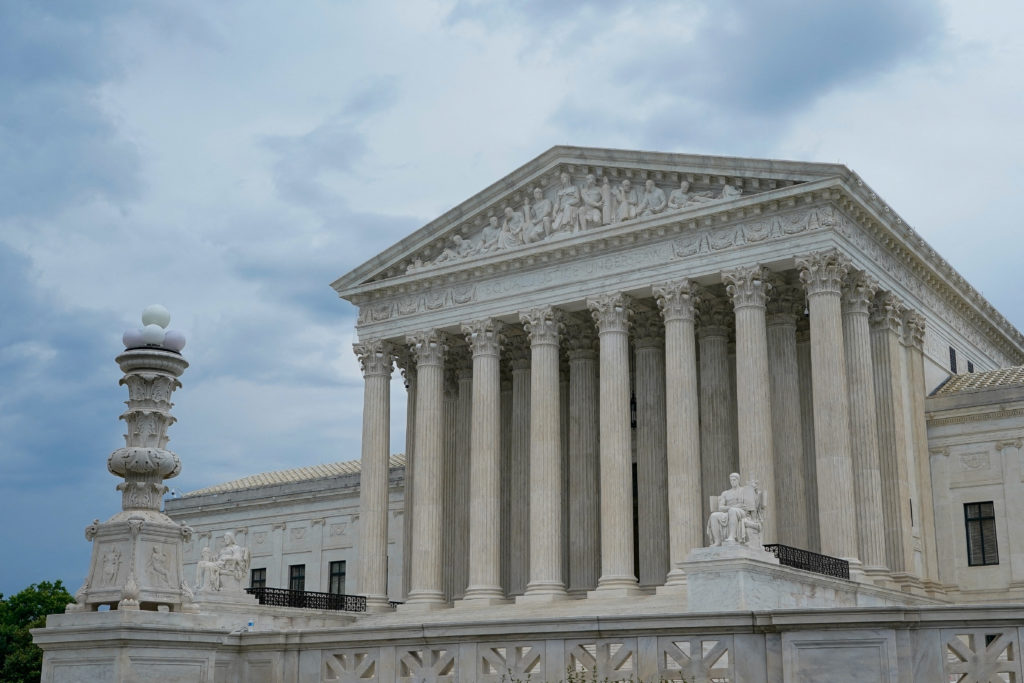
The Supreme Court issued a brief order on Wednesday refusing to permit the Trump administration to immediately enforce new restrictions on medical care for transgender people held in federal prisons. The decision leaves intact a lower-court block that prevents the government from halting gender-affirming treatments. By declining to intervene, the nation’s highest court allowed existing protections to remain in place while legal challenges to the policy continue through the judicial system.
The contested policy stems from an executive order signed by President Donald Trump during his second term. The directive instructed the Bureau of Prisons to revise its medical guidelines so that federal funds are not used for purposes deemed to conform an inmate’s appearance to that of the opposite sex. Under the proposed rules, surgeries would be stopped, hormone therapies would be tapered off, and social accommodations such as access to makeup and wigs would end. Mental health services, however, would continue to be provided.
Legal challenges to the administration’s move began in U.S. District Court, where Judge Royce Lamberth ordered that treatments must continue. Nominated by Republican President Ronald Reagan, Lamberth highlighted the medical risks associated with abruptly stopping care. He noted that untreated gender dysphoria can lead to severe psychological side effects, including depression, anxiety, and suicidal ideation. His ruling emphasized the potential harm to inmate well-being if established medical protocols were disrupted.
The Trump administration appealed the district court’s decision, arguing that the treatments raised security concerns within prison facilities. Officials contended that the care could no longer be justified given these operational risks. However, a divided panel at the appeals court left Lamberth’s order in place, signaling early judicial skepticism toward the administration’s justification for the ban. The government has not provided detailed evidence linking hormone therapy to specific security incidents over the three decades such treatments have been available.
Attorneys representing transgender inmates argued that withdrawing care would have significant physical and mental health consequences for their clients. Court records indicate that approximately 600 inmates were receiving hormone therapy in 2025. Legal teams pointed out that the government failed to substantiate claims of security problems associated with these treatments. They maintained that the long history of providing such care without major incident undermined the administration’s rationale for an immediate halt.
The Supreme Court’s brief order did not elaborate on its legal reasoning, a common practice in emergency applications where justices vote to grant or deny relief without full briefing. The lack of detailed justification leaves the broader constitutional questions unresolved for now. The decision reflects the court’s current posture in similar cases, where it has often allowed lower-court injunctions to stand while litigation proceeds, rather than issuing sweeping rulings on the merits.
Two conservative justices, Samuel Alito and Clarence Thomas, dissented from the majority’s refusal to lift the block. They argued that the policy should be allowed to take effect while the lawsuit plays out in lower courts. Their dissent highlights a growing divide within the conservative majority regarding how aggressively the court should intervene in executive actions affecting transgender rights. This split mirrors broader tensions over the scope of federal authority versus individual protections.
This ruling contrasts with other recent decisions involving transgender rights under the Trump administration. The Supreme Court has previously allowed restrictions on military service and changes to passport sex markers to move forward temporarily. It has also upheld state laws banning certain medical treatments for transgender youth and restricting sports participation by transgender athletes in women’s categories. The current case, however, involves federal prisoners and specific medical care standards, presenting distinct legal and humanitarian considerations.
The immediate practical significance of the decision is that hundreds of federal inmates will continue to receive hormone therapy and related social accommodations. Prison officials must maintain existing protocols until a final judicial determination is reached. For advocates, the ruling represents a temporary victory in preserving access to care, though the underlying policy remains contested. The outcome underscores the complex interplay between executive directives, judicial review, and the rights of incarcerated individuals.
What comes next depends on the progression of the lawsuit through the lower courts. Both sides will likely present more detailed arguments regarding medical necessity, security risks, and constitutional protections. The Supreme Court may revisit the issue later if a circuit split emerges or if a final judgment requires review. Until then, the status quo prevails, ensuring that medical care for transgender inmates continues without interruption.
Sources behind this briefing
Go to the original reporting
- PBS NewsHour↗Supreme Court rebuffs Trump administration restrictions on medical care for transgender inmates