The short version
- Researchers uncovered over eighty artworks by Iris Murdoch in a secret attic room at her former Oxford home.
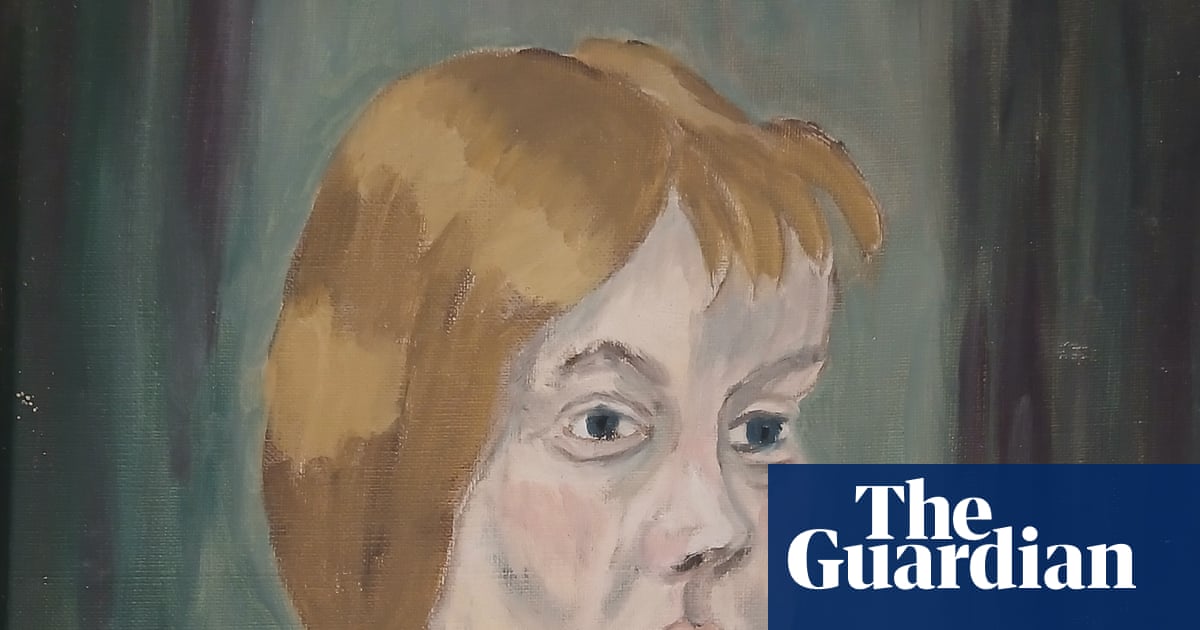
- The collection includes surrealist landscapes, nude sketches, and the only known self-portrait painted by the author.
- An exhibition at the University of Chichester will display twenty-five of these pieces alongside works by her book cover designers.
A significant cache of previously unknown artworks by the Booker Prize-winning novelist Iris Murdoch is set to go on public display, offering a fresh perspective on her early creative life. For decades, these pieces remained hidden in a concealed room within the attic of her former residence in north Oxford. The collection, which includes surrealist landscapes, sketches of female nudes, and the only self-portrait known to have been painted by Murdoch, challenges the limited understanding of her visual output until now.
The discovery was made last year by Dr. Miles Leeson, director of the Iris Murdoch Research Centre at the University of Chichester. He was granted access to 30 Charlbury Road following the death of Audi Bayley, who had lived in the home until 2024 as the second wife of Murdoch’s late husband, John Bayley. Leeson found more than eighty new artworks stashed behind a large bookcase that concealed the entrance to what he described as an inaccessible inner sanctum.
Leeson suspects that the room had not been entered for decades and that its existence was known only to Murdoch and her husband. He noted that Audi Bayley appeared unaware of the hidden space, which contained deeply personal items. This finding adds to a pattern of concealed creativity at the property; in 2016, Leeson discovered six hundred unpublished poems, including many lesbian love poems, buried in a chest in the main part of the attic.
The newly revealed artworks date primarily from the start of the Second World War, when Murdoch was a student at Oxford. They highlight her early engagement with surrealism and a fascination with the naked female form. Leeson observed that the drawings convey a sense of sexual tension and yearning, aligning with her early poetry dedicated to women she desired. Murdoch had recognized her bisexuality at age fifteen, and these visual works emerge shortly before her first known physical relationship with a woman.
Among the finds are twenty surrealist watercolors created between 1939 and 1941. These pieces reflect the intense intellectual and political atmosphere of Oxford during that period. Murdoch was active in student politics, involved with the student newspaper, and a member of the Communist party at the time. The landscapes appear influenced by artists such as Salvador Dalí and Pablo Picasso, communicating feelings of despair, anxiety, and societal breakdown.
Leeson suggests that these paintings capture the mood of a nation facing the destruction of European culture. He interprets the works as philosophical statements about the state of Britain during the early war years. The surrealist style served as an experiment for Murdoch, who was simultaneously writing poetry and beginning her fiction career. This period represents a time when she was exploring different artistic mediums to define her talents.
The self-portrait, dated January 7, 1941, depicts Murdoch at age twenty-one. Leeson describes it as the image of a deep and expressive thinker. Until this discovery, Murdoch was known to have created only three paintings in her lifetime. The new findings suggest that she was a visual artist across multiple mediums, designing scenes in her philosophy and incorporating artistic elements into her fictional works.
Twenty-five of the newly discovered works will be exhibited at the University of Chichester Library until December 10. The show, titled Iris Murdoch Amongst the Artists, is the first dedicated to Murdoch as an artist. It features all major known paintings by the author alongside works by British artists who designed her book covers, such as Reynolds Stone and Tom Phillips. This exhibition aims to present a more complete picture of Murdoch’s creative identity.
The connection between these formative visual works and her later literary masterpieces is a subject of ongoing analysis. Leeson believes the artworks provide evidence of a unified artistic mind working through various forms. The discovery underscores the complexity of Murdoch’s hoarding tendencies and her desire to keep certain aspects of her life private. As the exhibition opens, scholars and the public will have the opportunity to engage with this hidden dimension of her legacy.
The timing of the release coincides with a growing interest in the intersection of literature and visual art in mid-twentieth-century British culture. The presence of surrealist elements in Murdoch’s early work invites reconsideration of how political turmoil influenced her aesthetic choices. While the full extent of her artistic practice may never be fully known, this collection significantly expands the archive available for study.
Sources behind this briefing
Go to the original reporting
- The Guardian World↗Iris Murdoch artworks from secret room go on display – including self-portrait

