The short version
- Director Emil Esov designed the game to exploit specific phobias, such as trypophobia, to generate sustained discomfort for players.
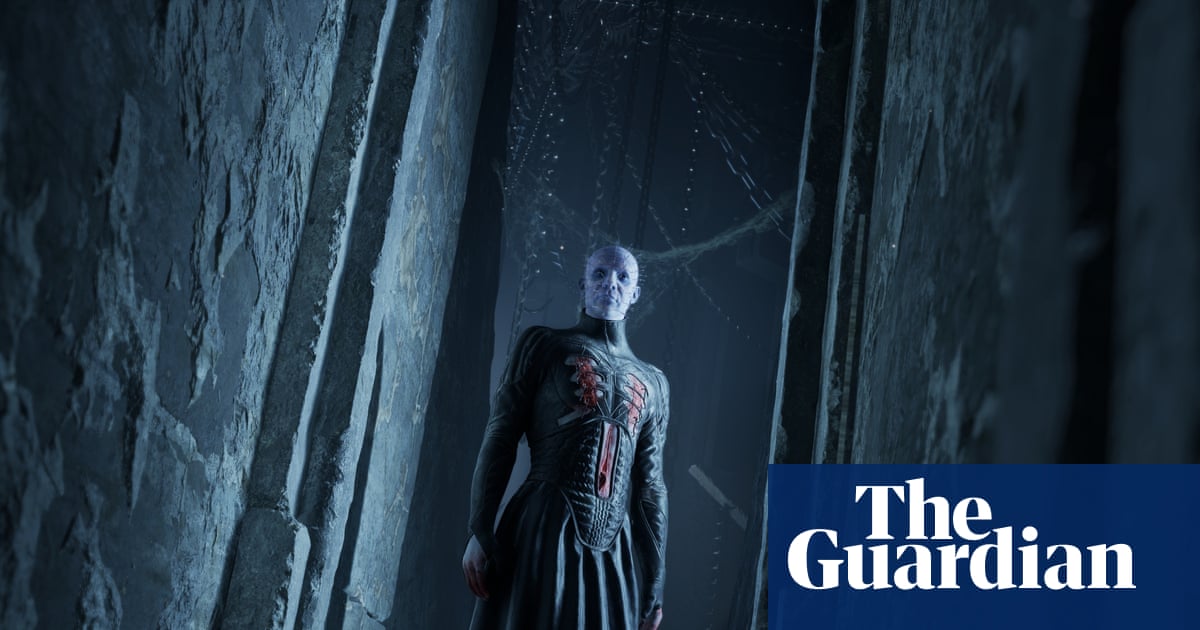
- Doug Bradley returns to voice Pinhead after two decades, bringing a calm, imposing presence that contrasts with typical slasher villains.
- The narrative follows Aidan Lynch through the Labyrinth, where combat is stressful and Cenobites remain unbeatable forces of nature.
A new entry in the Hellraiser franchise is shifting the focus of video game horror away from sudden shocks toward a more persistent sense of unease. Clive Barker’s Hellraiser: Revival, developed by Mad Head Games, aims to translate the specific discomfort found in Barker’s original works into an interactive format. The project benefits from direct oversight by the author himself, who has served as an adviser throughout the development process to ensure fidelity to the universe he created.
Game director Emil Esov approached the design with a specific psychological goal: making players feel unable to look away from disturbing imagery. During research into visual triggers, Esov identified his own fear of trypophobia, or clusters of small holes, and intentionally incorporated these elements into the game’s aesthetic. Rather than softening these visuals for mass appeal, the development team leaned into them to create a visceral reaction that mirrors the source material’s blend of pain and beauty.
The narrative centers on Aidan Lynch, who must navigate the Labyrinth to rescue his girlfriend from the grasp of Pinhead and his Cenobites. Players utilize the Genesis Configuration puzzle box as both a plot device and a gameplay tool. Approximately twenty-five percent of the experience takes place within the Labyrinth itself, where the environment shifts between familiar settings and the surreal, purple-hued landscapes characteristic of Barker’s fiction.
Combat mechanics in Revival draw inspiration from titles like Resident Evil and BioShock, but with a distinct emphasis on struggle. Melee encounters are influenced by Condemned, featuring unpredictable and drawn-out sequences that involve sweating and moaning rather than instant resolution. This design choice reinforces the theme of stress, ensuring that even successful engagements feel taxing for the player.
Doug Bradley returns to voice Pinhead, marking his first performance in the role since the last Hellraiser film two decades ago. The recording sessions were conducted remotely, yet Esov noted that Bradley required minimal direction. The actor’s deep familiarity with the character allowed him to embody the role naturally, providing a calm and imposing presence that contrasts sharply with the frenetic energy of typical horror antagonists.
Barker’s involvement extended beyond general guidance to include specific aesthetic requests, such as adjusting the color palette of the Labyrinth sky. This level of detailed feedback demonstrated his continued investment in the world he built. The collaboration ensured that the game’s themes and rules remained consistent with the original novels and films, preserving the unique tone that distinguishes Hellraiser from other horror franchises.
The Cenobites are portrayed not as standard enemies to be defeated, but as powerful entities that players cannot fight. Their presence is meant to evoke fear through implication and dialogue rather than direct confrontation. This approach maintains their mythic status within the lore, preventing them from becoming mere obstacles in a combat loop.
Revival includes multiple difficulty settings, with the highest level named after the franchise itself. Esov prefers this setting, aiming for an experience that is genuinely unsettling to endure. The game seeks to introduce new audiences to the complex mix of violence and artistry that defines Hellraiser, without holding back on the darker elements that have historically challenged viewers.
The development team believes that true horror lies in sustained discomfort rather than momentary surprise. By focusing on psychological tension and visual unease, Revival attempts to replicate the specific dread found in Barker’s work. If successful, the game will offer a distinct alternative to the jump-scare-heavy trends currently dominating the genre.
As the release date approaches, anticipation centers on whether interactive media can fully capture the nuanced horror of Hellraiser. The combination of Bradley’s performance, Barker’s oversight, and Esov’s psychological design choices suggests a title that prioritizes atmosphere over action. Players who seek a challenging and disturbing experience may find Revival meets those expectations.
Sources behind this briefing
Go to the original reporting
- The Guardian US↗Clive Barker’s Hellraiser: Revival – a game so grotesque it scares its own director

