The short version
- Lake Powell rose more than twenty feet due to recent flooding, though it remains only a quarter full.
- Local water restrictions were lifted in some areas as reservoirs and aquifers received substantial replenishment.
- Federal officials state that current water allocation cuts will continue until spring snowpack data is available.
Recent severe weather across the American Southwest has delivered an unexpected surge of water into critical reservoir systems, providing a rare reprieve for regions grappling with prolonged drought conditions. Storms that struck in late October and early November generated significant runoff, filling lakes and recharging underground aquifers that had reached historic lows. While the flooding caused immediate disruptions, including evacuations and road closures, hydrologists note that much of this water is now serving a vital function by replenishing depleted storage facilities.
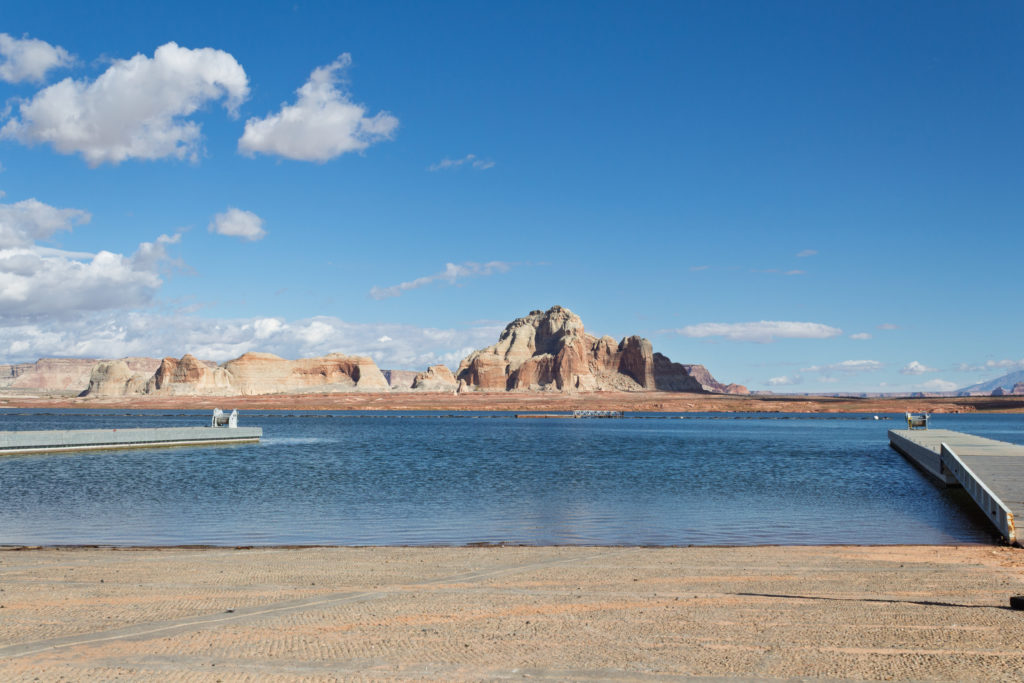
Lake Powell, the second-largest reservoir in the United States, experienced a dramatic increase in water levels, rising more than twenty feet from its mid-September low. This surge dwarfs the gains typically seen from seasonal snowmelt. Despite this substantial rise, the lake remains only slightly more than a quarter full, and the majority of its boat launches remain inaccessible. Climate scientists estimate that the recent influx adds over 1.2 million acre-feet to the reservoir, a volume sufficient to support approximately four million average families for one year.
The impact of these storms has been felt locally in communities that had recently imposed strict water conservation measures. In Pagosa Springs, Colorado, where more than ten thousand residents were under water restrictions earlier this year, officials have now lifted those limits. The town received about seven inches of rain, which helped initiate the winter snowpack in higher elevations. Similarly, Flagstaff, Arizona, saw its Upper Lake Mary reservoir receive over three billion gallons of water, providing a crucial buffer for a system that relies heavily on underground aquifers.
In central Arizona, heavy floodwaters flowed into streams feeding the Verde River. Water managers responded by releasing water from two nearly full dams into the normally dry stretch of the river near Phoenix. This action helped manage flood risks while also contributing to the region's surface water supply. Although the immediate danger of flooding has subsided in many areas, the underlying drought conditions have not been resolved. The region continues to face long-term water scarcity challenges that cannot be solved by a single season of heavy rain.
Federal authorities are maintaining a cautious stance regarding water allocations. The U.S. Bureau of Reclamation, which manages reservoirs in the West, has indicated that it is unlikely to adjust water releases from Lake Powell or other areas until snowpack levels peak, typically around April. Officials acknowledge that while conditions have improved, considerable uncertainty remains about the long-term outlook. The chaotic climate phenomenon known as El Niño has intensified heavy rain and flooding, and experts believe its impacts will continue for several more months.
Current federal plans for managing the Colorado River's Lower Basin require California, Nevada, and Arizona to collectively reduce water use by 1.25 million acre-feet annually over the next two years. This reduction is equivalent to filling over six hundred thousand Olympic-sized swimming pools. There is also the possibility of larger cuts depending on future conditions. These mandates remain in effect despite the recent influx of water, as policymakers prioritize long-term stability over short-term gains.
Some local governments are taking steps to increase resilience against future droughts. Certain Arizona cities have agreed to fund preliminary work to expand an existing dam on the Verde River, aiming to capture more runoff from storms. This infrastructure investment reflects a broader recognition that the region must adapt to a drier future. While the recent rains offer a welcome boost, they do not eliminate the need for sustained conservation efforts and strategic planning.
Climate scientists emphasize that while the current situation provides some relief, it does not signal an end to the megadrought. The lackluster snowfall from last winter did little to recharge water bodies during the spring and summer months when they typically receive their largest annual boost. The recent storms have provided a temporary cushion, but the long-term trajectory of water supplies in the Southwest remains uncertain. Continued monitoring of snowpack and reservoir levels will be essential in determining future water management strategies.
As the region looks ahead, the focus remains on balancing immediate needs with long-term sustainability. The recent flooding has highlighted both the vulnerabilities and the adaptive capacities of water systems in the Southwest. While communities can breathe a sigh of relief at the rising water levels, the underlying structural challenges of water scarcity persist. The coming months will provide critical data that will inform decisions about water usage and infrastructure development for years to come.
Sources behind this briefing
Go to the original reporting
- PBS NewsHour↗Floods bring rare relief to U.S. Southwest reservoirs as Lake Powell rises 20 feet


