The short version
- Visitor numbers to northern Europe rose ten percent in early 2026 compared to the previous year, outperforming other subregions as travelers seek relief from extreme heat.
- The Scottish Highlands are experiencing increased tourism volume, with some sites facing overcrowding and parking shortages similar to issues seen in Dutch coastal towns.
- Edinburgh has introduced a five percent tourist tax on hotel stays to help manage the strain on public services and infrastructure caused by rising visitor numbers.
Summer tourism across Europe is undergoing a significant geographic shift as extreme heat, droughts, and wildfires make traditional southern destinations increasingly uncomfortable. Travelers are redirecting their plans toward northern regions, a trend industry observers describe as the rise of 'coolcations.' This movement is reshaping the economic landscape for countries such as Scotland, Norway, and Sweden, which are seeing higher visitor counts as people seek milder climates.
Data from the European Travel Commission indicates that northern Europe outperformed all other subregions in terms of visitor growth between April and June of this year. The region, which includes the UK, Denmark, Finland, Iceland, Ireland, Norway, and Sweden, saw a ten percent increase in arrivals compared to the same period in 2025. Online search behavior reflects this change, with queries for cooler holiday spots rising sharply in the first four months of the year.
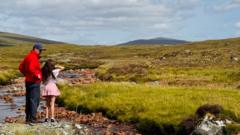
In the Scottish Highlands, hospitality workers report a noticeable change in guest attitudes toward local weather conditions. Where visitors once complained about rain or insects, they now express relief at avoiding the intense heat found elsewhere in Europe. Hotel staff note that tourists are less concerned with typical Highland discomforts and more focused on escaping the sweltering temperatures affecting southern countries like Spain and France.
The shift is not limited to casual travelers; high-net-worth families are also altering their summer itineraries. Researchers at Glasgow Caledonian University observe that many affluent UK households are swapping traditional Mediterranean holidays for trips to Scotland. This demographic change suggests a long-term adjustment in luxury travel preferences, driven by climate concerns and the desire for more temperate environments.
Marketing strategies are adapting to this new reality. Industry experts point out that Scotland has moved away from promoting its rugged landscape and instead emphasizes its temperate climate. This rebranding effort aligns with the growing demand for comfortable weather conditions, positioning the country as a viable alternative to overheated southern European destinations.
However, the influx of visitors is creating logistical challenges in popular areas. The Scottish Highlands are experiencing overcrowding similar to that seen in Dutch coastal cities like The Hague and Zandvoort. In Glencoe, parking spaces are scarce, and laybys fill up quickly, leading to traffic congestion. Some residents in other regions have resorted to erecting fake road signs to deter tourists, highlighting the tension between economic benefits and local quality of life.
Social media virality has exacerbated these issues at specific landmarks. Sites such as the Fairy Pools on the Isle of Skye and Edinburgh’s Royal Mile are struggling under the weight of increased foot traffic. The pressure on infrastructure and public services is prompting local authorities to consider new measures to manage visitor flows and mitigate negative impacts on communities.
In response, Edinburgh has become the first UK city to implement a tourist tax. A five percent fee will be added to hotel room costs, with proceeds intended to support public services and maintain urban spaces. City officials argue that this contribution is necessary to address the strain placed on resources by overnight visitors, ensuring that the benefits of tourism do not come at the expense of residents.
As climate change continues to influence weather patterns, the northward shift in tourism may become more pronounced. While northern regions stand to gain economically, they must also prepare for the infrastructural demands of higher visitor numbers. Balancing growth with sustainability will be a key challenge for destinations suddenly finding themselves at the center of Europe’s changing travel map.
The coming months will reveal whether these trends persist or fluctuate with seasonal variations. For now, the data suggests a clear preference for cooler climates among European travelers. As southern Europe grapples with extreme heat, northern destinations are adapting to their new role as primary summer retreats, bringing both opportunities and complexities to local economies and communities.
Sources behind this briefing
Go to the original reporting
- BBC News↗Scottish Highlands benefiting from 'coolcation' trend

