The short version
- Coast redwoods exhibit reduced photosynthetic rates during heat spikes, suggesting direct thermal stress rather than just water conservation mechanisms.
- Leaf temperatures can exceed ambient air by up to 18 degrees Fahrenheit, indicating a failure in the trees' ability to regulate internal heat effectively.
- Scientists remain uncertain whether these metabolic disruptions cause permanent damage or if the trees can recover as seasonal temperatures normalize.
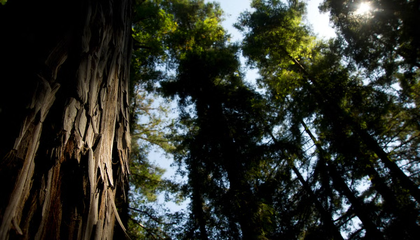
Coast redwoods, the tallest living organisms on Earth, are facing a physiological challenge that could undermine their long-term survival and ecological function. Recent scientific analysis reveals that these iconic giants struggle to produce energy during periods of extreme heat, a finding that highlights their vulnerability to shifting climate patterns. The study, published in the Journal of Geophysical Research: Biogeosciences, suggests that rising temperatures may be directly impairing the trees' ability to photosynthesize, which is critical for their growth and their role as significant carbon reservoirs.
These massive trees are native to a narrow coastal strip stretching from central California to southern Oregon. They have evolved to thrive in a specific microclimate characterized by cool temperatures and persistent summer fog, which blankets their canopies during the dry season. This fog provides essential moisture and helps moderate leaf temperatures. However, recent years have seen a trend toward higher regional temperatures and a noticeable decline in fog frequency. These environmental shifts have prompted researchers to investigate how such changes affect the biological processes of these ancient organisms.
To assess the impact of heat on redwood physiology, ecologists conducted field measurements at the Garcia River Forest in Mendocino County, California. This location is near the southern edge of the species' range, making it a sensitive indicator for climate stress. Between July 2022 and October 2024, researchers monitored individual needles during two distinct heat waves. They found that leaf temperatures could rise up to 18 degrees Fahrenheit above the surrounding air temperature. This significant discrepancy suggests that the trees are unable to effectively thermoregulate under extreme conditions, leading to substantial physiological stress.
The primary mechanism plants use to cool themselves involves stomata, small pores on leaves that release water vapor. By closing these pores, trees can conserve moisture during drought or heat, but this action also limits the intake of carbon dioxide required for photosynthesis. While it was previously assumed that reduced photosynthesis during heat waves was primarily a side effect of stomatal closure to prevent dehydration, new evidence points to a more direct thermal impact. The extreme temperature differential observed in the field indicated that the leaves were stressed beyond simple water management issues.
To isolate the effects of temperature from water availability, researchers conducted controlled laboratory experiments using samples from younger redwoods with accessible lower canopies. They submerged leaf samples in water to ensure unlimited moisture access and exposed them to temperatures ranging from 72 to 110 degrees Fahrenheit. Even with stomata open and all necessary ingredients for photosynthesis available, the rate of carbon fixation declined as temperatures increased. This result implies that high heat directly interferes with the biochemical processes of photosynthesis, independent of water stress or gas exchange limitations.
The findings underscore a unique sensitivity in coast redwoods compared to other tree species. Experts note that such pronounced temperature dependence is not commonly observed in many other forest types. Because redwoods are massive, long-lived organisms with thick bark, they serve as crucial carbon sinks, sequestering atmospheric carbon for decades or centuries. Any reduction in their photosynthetic capacity could diminish their ability to store carbon, potentially accelerating climate change by leaving more greenhouse gases in the atmosphere.
Despite these alarming indicators, significant uncertainties remain regarding the long-term consequences of heat stress. It is currently unclear whether the metabolic slowdown during heat waves results in temporary inefficiency or causes lasting structural damage to the trees. Researchers have not yet identified a threshold for irreversible harm, meaning they do not know how intense or prolonged heat exposure must be to cause permanent decline. The current data does not distinguish between short-term stress responses and cumulative degradation.
Seasonal recovery appears possible under present conditions, as temperatures typically drop in autumn and winter, allowing the trees to resume normal metabolic functions. However, projections for the coming decades suggest that heat waves may become more frequent and intense. If this trend continues, the window for recovery may shrink or disappear entirely. Scientists warn that without further research into the limits of redwood resilience, it is difficult to predict whether these forests will persist in their current form as global temperatures continue to rise.
The implications extend beyond the health of individual trees to the broader stability of coastal ecosystems and regional carbon budgets. As climate models predict more extreme weather events, understanding the physiological limits of keystone species like coast redwoods becomes increasingly urgent. Future studies will need to focus on determining the precise tipping points for these organisms and assessing whether adaptive management strategies can mitigate the impacts of rising temperatures on their survival.
Sources behind this briefing
Go to the original reporting
- Smithsonian Magazine↗The World's Tallest Trees Seem to Struggle to Make Their Own Food During Heat Waves, Leaving Them Vulnerable as the World Warms