The short version
- The HHS Secretary delivered a keynote speech at the Children's Health Defense conference, affirming his support for scaling back vaccine guidance.
- Critics argue the administration's actions are fueling hesitancy during a severe measles outbreak that has caused multiple deaths in Pennsylvania.
- Legal challenges have already halted some of the department's attempts to reshape vaccine advisory boards and childhood immunization schedules.
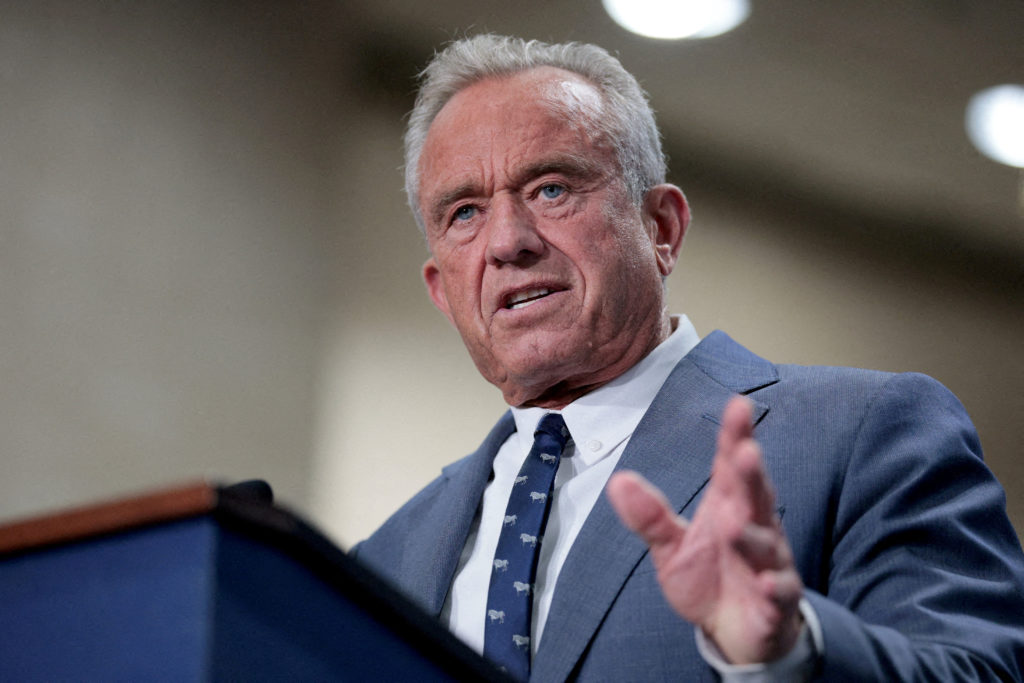
Robert F. Kennedy Jr., serving as Secretary of Health and Human Services, delivered the keynote address at a major gathering for an anti-vaccine activist organization he previously led. The appearance marked his first public engagement with the group since assuming his federal role, signaling a continued alignment between the administration’s current health policies and the priorities of vaccine skeptics. Kennedy told the audience that they had a steadfast ally within the White House, emphasizing that significant policy shifts had occurred in recent months that would have been difficult to imagine just two years prior.
The speech served as a platform for Kennedy to highlight administrative efforts to reduce the density of the childhood vaccination schedule and restructure key advisory bodies. He praised President Donald Trump for issuing an executive order aimed at spacing out the administration of the measles, mumps, and rubella vaccine, a move that contradicts recommendations from major medical organizations. This directive represents a notable shift in federal health strategy, moving away from earlier indications that the department might focus on less contentious public health issues such as nutrition ahead of upcoming midterm elections.
Kennedy’s remarks were framed as a validation of long-held concerns among parents who question established vaccine safety protocols. He asserted that while access to vaccines has not been restricted, the administration is finally addressing questions that millions of Americans have raised for years. The Department of Health and Human Services promoted the event on its official social media channels, reinforcing the connection between federal leadership and the activist community. Mary Holland, the chief executive of the conference organizer, expressed profound gratitude for Kennedy’s recognition of what she describes as consequential issues surrounding childhood immunizations.
However, these policy moves have faced immediate legal pushback. A judge has already halted several of the administration’s initiatives to downsize vaccination schedules and reshape vaccine advisory boards. Despite these judicial interventions, Kennedy used the podium to boast about the progress made in overhauling public health guidance. His presence at the event underscores a broader pivot by the White House toward embracing viewpoints that were previously considered fringe within mainstream medical circles.
The timing of the address coincides with a severe public health crisis involving measles. The nation is experiencing its worst year for measles cases since 1991, with seven reported deaths associated with the disease in the last two years alone. This figure exceeds the combined total of measles-related fatalities recorded over the previous three decades. In Pennsylvania specifically, officials have confirmed four deaths this year, none of which involved vaccinated individuals. The surge in cases has reignited debates about vaccine efficacy and public trust.
Pennsylvania Governor Josh Shapiro strongly condemned Kennedy’s decision to speak at the conference. Shapiro criticized the Health Secretary for choosing to address what he termed the premier vaccine-denial gathering in the country rather than encouraging vaccination efforts. He argued that Kennedy’s narrative continues to foster fear and mistrust among the public, exacerbating an already fragile relationship between citizens and health agencies. The governor’s comments highlight the growing political friction between state-level responses to disease outbreaks and federal policy directions.
Medical professionals and advocacy groups have expressed deep concern over the administration’s approach. Critics argue that these actions risk stoking vaccine hesitancy at a time when public confidence in health institutions is already eroding following the COVID-19 pandemic. Shaughnessy Naughton, founder of a group that recruits scientists for public office, stated that Kennedy’s participation demonstrates a lack of seriousness regarding his duties at HHS. She suggested that stepping aside would be the most beneficial action for Americans given the deadly nature of the current outbreak.
The conference also featured Andrew Wakefield, whose discredited study linking vaccines to autism has been widely cited by anti-vaccine movements despite being retracted and debunked by decades of scientific research. The presence of such figures alongside a sitting cabinet member illustrates the normalization of controversial health narratives within government spaces. As the administration continues to pursue its agenda on vaccine guidance, the tension between federal policy goals and established medical consensus remains a central point of contention.
A White House representative did not respond to requests for comment regarding Kennedy’s appearance at the event. The lack of immediate clarification from the executive branch leaves questions about the long-term strategy behind these engagements. With legal challenges ongoing and public health metrics deteriorating, the impact of these policy shifts on national immunization rates and disease control remains uncertain. The coming months will likely see continued scrutiny of how federal health leadership balances activist demands with scientific evidence.
The situation highlights a broader challenge in modern public health communication: maintaining trust while navigating polarized political landscapes. Kennedy’s speech was not merely a ceremonial address but a substantive endorsement of specific policy changes that contradict mainstream medical advice. As measles cases continue to rise and legal battles over vaccine guidelines proceed, the consequences of these decisions will be measured in both public health outcomes and the enduring credibility of federal health agencies.
Sources behind this briefing
Go to the original reporting
- PBS NewsHour↗WATCH: RFK Jr. speaks at conference for anti-vaccine group he founded

