The short version
- John Healey plans to introduce measures offering financial relief to households and companies ahead of expected energy price hikes.
- The chancellor reaffirmed commitment to existing fiscal constraints, requiring departments to manage within current allocations.
- International Monetary Fund officials have endorsed the UK's deficit reduction strategy, urging continued adherence to the plan.
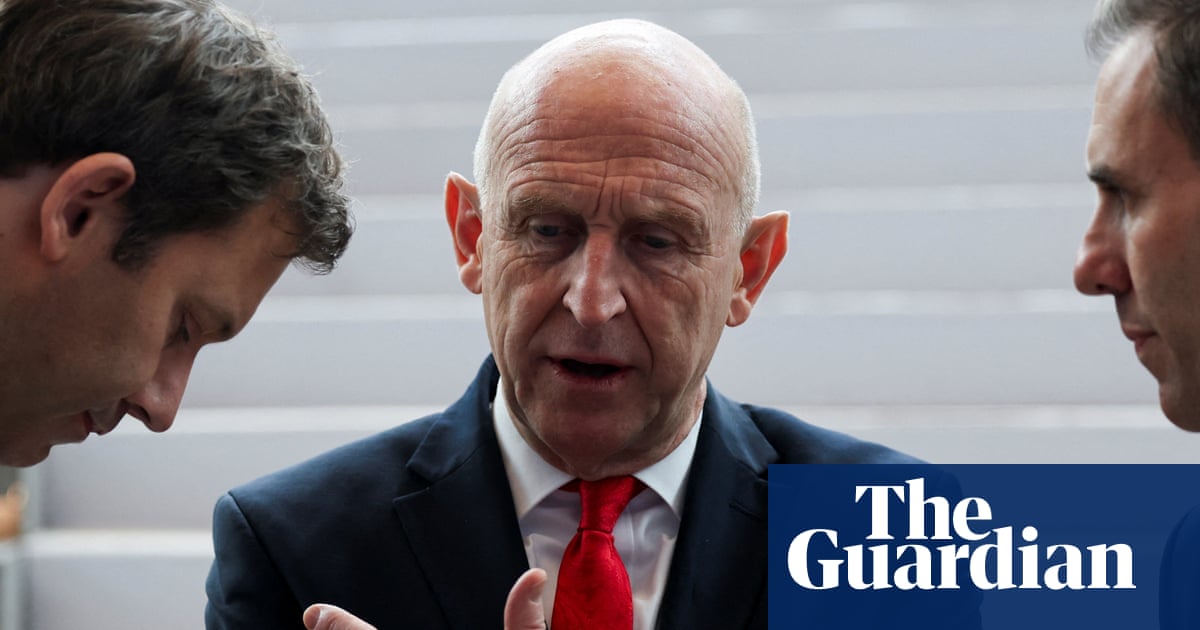
John Healey, the United Kingdom’s chancellor of the exchequer, has outlined his intention to provide immediate financial relief to consumers and businesses in his upcoming budget statement. Speaking from Bangkok during the International Monetary Fund annual meetings, Healey emphasized that the forthcoming tax and spending review will aim to create a buffer against rising costs while maintaining the integrity of the government's fiscal framework. This approach seeks to balance short-term economic pressures with long-term stability, addressing concerns about affordability without compromising the broader financial strategy established by his predecessor.
The timing of this budget is critical as the UK faces an anticipated sharp increase in the energy price cap scheduled for January. Although the government has already implemented a reduction in value-added tax on electricity bills, Healey indicated that further support measures are likely to be announced on October 28. These additional steps are designed to mitigate the impact of higher utility costs on both households and commercial entities. The chancellor acknowledged the dual burden of living expenses and operational costs, noting that the prime minister has specifically highlighted the need to recognize the financial strain on businesses alongside individual consumers.
Despite the promise of relief, Healey was firm in his commitment to the fiscal rules set out during last year’s spending review by Rachel Reeves. He stated that cabinet colleagues must identify any necessary resources within their existing departmental budgets rather than seeking new allocations. This constraint reflects a broader strategy of fiscal discipline, where reprioritization is required for any new initiatives. The chancellor praised the efforts of government departments to manage effectively under these conditions, suggesting that the current framework allows for flexibility through internal reallocation rather than external expansion.
International observers have responded positively to the UK’s economic management. Kristalina Georgieva, managing director of the IMF, urged the British government to maintain its course in tackling the national deficit. The fund has commended the country’s plan, citing evidence of performance that supports future forecasts. Healey echoed this sentiment, pointing to the IMF’s backing as a validation of the UK’s fiscal resilience. He argued that adherence to these rules is not merely about meeting targets but demonstrating consistent economic strength and reliability to global markets.
Speculation regarding specific tax adjustments has been deliberately avoided by the chancellor. Healey declined to confirm whether taxes on banks or capital gains would be increased to offset budget pressures from higher energy prices and borrowing costs. He cited previous instances where pre-budget speculation caused market distortions, such as premature pension withdrawals and delayed business investments. By refusing to engage with rumors, Healey aims to prevent unnecessary economic disruption and ensure that the final announcement remains the sole driver of market reaction.
In addition to domestic economic measures, the budget is expected to include a new package of support for Ukraine. Healey hinted at enhanced military, diplomatic, and economic aid, framing it as essential for European security. He referenced recent attacks on Ukrainian energy infrastructure by Russian forces, noting the vulnerability of millions without power as winter approaches. The chancellor linked the stability of Ukraine directly to broader regional security, arguing that preventing a Russian victory is crucial for maintaining peace in Europe.
The UK’s economic leadership was also visible in international forums during the IMF meetings. Healey and Andrew Bailey, governor of the Bank of England, chaired a gathering of G20 policymakers. Notably, US Treasury Secretary Scott Bessent was absent from this session. The collaboration among global financial leaders underscores the interconnected nature of current economic challenges. As Healey prepares to return to London to finalize the budget details, the focus remains on delivering a coherent strategy that addresses immediate cost-of-living concerns while upholding long-term fiscal responsibility.
The upcoming statement will serve as a test of the government’s ability to navigate complex economic headwinds. By combining targeted relief with strict adherence to spending limits, Healey aims to reassure both domestic stakeholders and international partners. The success of this approach will depend on the effectiveness of the proposed measures in cushioning the blow of rising energy costs without derailing the broader deficit reduction plan. As the budget date approaches, attention will turn to how these policies are implemented and their immediate impact on the UK economy.
Sources behind this briefing
Go to the original reporting
- The Guardian World↗John Healey vows to give ‘breathing space’ to consumers and businesses in first budget