The short version
- Approximately 27 percent of the Hawk Fire is contained after it burned more than 15,000 acres near Reno, Nevada.
- Tens of thousands remain under evacuation orders or warnings as officials struggle with extreme fire behavior driven by wind and heat.
- Investigators have confirmed the blaze was human-caused but have not determined whether it was intentional or accidental.
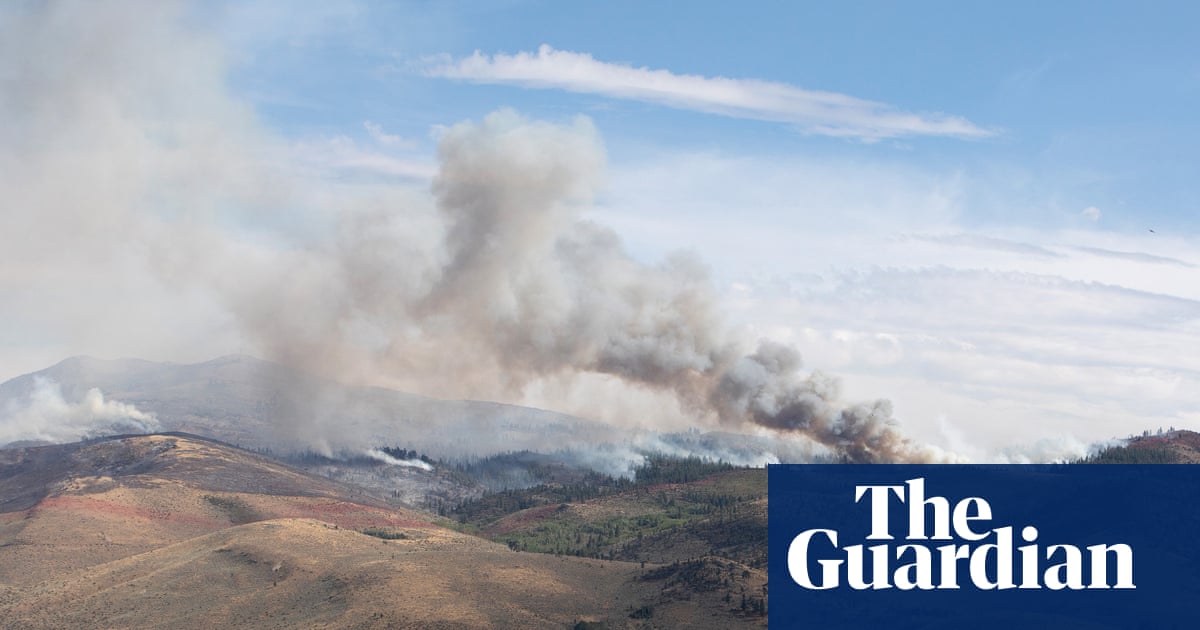
A rapidly expanding wildfire known as the Hawk Fire has forced tens of thousands of residents to flee their homes near Reno, Nevada, marking one of the most significant emergency responses in the region this summer. As of Monday afternoon, authorities reported that approximately 27 percent of the blaze was contained after it scorched more than 15,000 acres of land in the foothills northwest of the city. Despite this progress, the majority of the fire’s perimeter remains uncontrolled, with officials warning that conditions could deteriorate quickly due to unpredictable wind patterns and high temperatures.
The evacuation orders affect a substantial portion of the local population, with 23,000 people under immediate 'go-now' directives and another 40,000 under 'get-set' warnings to prepare for potential displacement. This represents a slight reduction from earlier estimates that placed nearly 90,000 Nevadans under some form of evacuation alert on Monday morning. The affected zones extend into urban areas and impact major transportation routes, including portions of US Route 395, although some sections of the highway have since reopened to traffic.
Damage assessments are ongoing but already reveal significant destruction. Fire officials confirmed that at least 32 homes have been destroyed and six others damaged, with expectations that these figures will rise as search teams complete their sweeps of the burned areas. Seven people have been injured in total, including four civilians and three firefighters who suffered minor burns. No fatalities have been reported so far, though canine units are still clearing debris to ensure no victims remain trapped.
Nevada Governor Joe Lombardo declared a state of emergency in Washoe County, deploying the National Guard to assist with firefighting operations and law enforcement support. Approximately 800 personnel from various agencies, including international crews from Australia and New Zealand, are currently engaged in containment efforts. Large air tankers and helicopters have been dropping water and fire retardants over the area, while ground crews work around the clock to protect remaining properties.
The human toll of the disaster is evident in the chaotic scenes described by evacuees who had little time to gather belongings before fleeing. Residents reported that the fire moved with extreme speed, jumping over fire trucks and changing direction unpredictably due to shifting winds. Many expressed fear about returning home, noting that the situation remains volatile and that they do not know if conditions will worsen.
Local infrastructure has also been disrupted by the crisis. Nearly 10,000 homes and businesses lost power during the incident, with utility crews working to restore service as evacuation orders begin to lift in some areas. Most schools in Washoe County closed on Monday to keep roads clear for emergency vehicles, although the University of Nevada, Reno, announced it would continue normal operations despite its proximity to the warning zone.
Investigators have determined that the Hawk Fire was human-caused, consistent with two other large wildfires in the region over the past two weeks. However, authorities have not yet established whether the ignition was intentional or accidental. The fire’s name derives from the Hawk Meadow Trail where it was first reported on Saturday morning.
Looking ahead, officials anticipate that the fire will continue to burn for at least two more days, with no clear timeline for when residents can safely return to their homes. Evacuees are being housed in shelters set up throughout the area, while community organizations and festival organizers have urged travelers passing through Reno to prioritize the needs of those displaced by the emergency.
This event underscores the growing severity of wildfire seasons in the western United States, where dry conditions and climate change contribute to more frequent and intense blazes. While many fires occur in rural settings, the Hawk Fire demonstrates how quickly such disasters can threaten densely populated urban centers, requiring coordinated responses from multiple jurisdictions and agencies.
Sources behind this briefing
Go to the original reporting
- The Guardian World↗Fast-moving Hawk wildfire is about 27% contained in Reno, Nevada, officials say
- BBC News↗Fast-moving wildfire forces thousands to evacuate near Reno, Nevada
- PBS NewsHour↗News Wrap: Wildfire forces evacuations near Reno

