The short version
- Governor Josh Green has declared a state of emergency as Tropical Storm Lala is forecast to strengthen into a hurricane before making landfall on Hawaii's Big Island.
- Residents face dangerous conditions including heavy rainfall, storm surges, and high winds, prompting closures at Hawaii Volcanoes National Park and urgent safety advisories.
- The storm arrives amid a powerful El Niño event that scientists predict could become historic in strength, potentially increasing tropical cyclone activity in the Pacific basin.
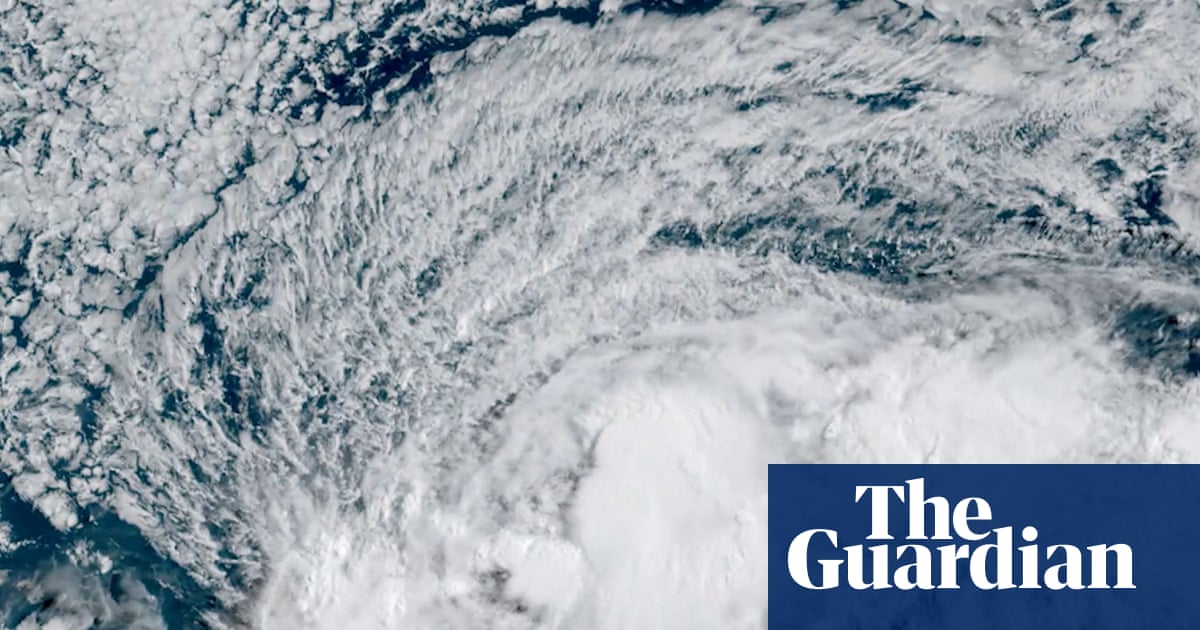
Tropical Storm Lala is on track to strike Hawaii’s Big Island with hurricane-force winds within hours, prompting state and local officials to declare a state of emergency. The National Oceanic and Atmospheric Administration reports the system currently sits approximately 420 miles southeast of Hilo, packing sustained winds of 60 mph. Forecasters expect the storm to intensify as it moves closer to land, bringing a significant threat of dangerous winds, torrential rain, and hazardous surf conditions to the archipelago.
Hurricane warnings have been issued for Hawaii County, which encompasses the Big Island, while tropical storm warnings cover Maui, Molokai, and Kahoolawe to the northwest. Rainfall projections indicate totals between 8 and 12 inches across these islands, with isolated pockets potentially receiving up to 25 inches. A storm surge of one to three feet is also anticipated as the system makes landfall on Saturday. These conditions have led NOAA’s Weather Prediction Center to issue warnings for life-threatening flash floods and mudslides.
Governor Josh Green emphasized the severity of the situation, stating that emergency teams are coordinating closely with federal partners to ensure resources are available where needed most. He urged residents to take immediate action by securing their homes, gathering essential supplies, and reviewing family emergency plans. The governor’s office advised citizens to treat the storm with serious caution and to look out for neighbors who may require assistance during the event.
Local officials have provided specific guidance to help residents mitigate damage. Hawaii County Mayor Kimo Alameda warned of potential power outages, communication losses, and road closures due to damaging winds and flooding rain. Residents are advised to clear gutters and drains, move valuables off the ground, seal gaps in doors, and remove tree limbs that could threaten their properties. Emergency management agencies have also issued strict warnings to stay away from beaches and coastal areas where rough surf and rip currents pose a drowning risk.
Flood watches remain in effect for multiple islands across the state. Kauai, Niihau, and Oahu are under watch from Saturday evening through Sunday night, while Lanai, Molokai, Kahoolawe, Maui, and Hawaii Island face flood risks from Friday through Saturday night. The rapid evolution of the storm means that even slight changes in its track could significantly enhance rain and wind hazards across the region, necessitating constant vigilance from residents.
Hawaii Volcanoes National Park has closed access to the summit of Mauna Loa, Earth’s largest active volcano, along with the welcome center, all trails, and the Nahuku lava tube. The closure reflects the park’s commitment to visitor safety amid the approaching severe weather. While the juxtaposition of a hurricane over an erupting volcano has drawn attention from visitors online, officials prioritize securing the area against wind and flood damage.
This event marks a notable return of direct tropical cyclone impacts to the Big Island. If Lala’s center moves directly over the island, it will be the first such strike since Tropical Storm Darby in 2016. The last major hurricane to hit Hawaii was Hurricane Iniki in 1992, which caused at least six deaths and billions of dollars in damage. Two years prior to Darby, Tropical Storm Iselle caused widespread wind damage and power outages, serving as a recent reminder of the vulnerability of the island’s infrastructure.
The approach of Lala coincides with the development of a powerful El Niño in the central equatorial Pacific Ocean. Sea surface temperatures have risen so significantly that NOAA predicts a 69% chance of a historic event exceeding the strength of previous El Niño episodes dating back to 1950 when it peaks between October and December. This natural climate pattern typically promotes hurricane activity in the Pacific while suppressing it in the Atlantic, suggesting that heightened storm activity may continue in the region.
Elsewhere in the Pacific, Tropical Storm Hernan formed but is not threatening land and is weakening as it moves south. In the Atlantic, former Tropical Storm Cristobal has degenerated into a post-tropical remnant west of the Azores, posing no threat to landmasses. As Lala approaches Hawaii, the focus remains on preparedness and response efforts to minimize impact on communities already bracing for severe weather conditions.
Sources behind this briefing
Go to the original reporting
- The Guardian US↗Hawaii braces for direct hit from Tropical Storm Lala

