The short version
- Hawaii residents face life-threatening flood risks from Hurricane Nolo, which is expected to dump up to 25 inches of rain on the Big Island despite a revised downward forecast.
- State officials have activated National Guard units and requested disaster declarations for four counties as utility crews reposition to prepare for potential power outages.
- Hurricane Polo has strengthened into a Category 5 storm with 180 mph winds, threatening the Baja California Peninsula after causing coastal flooding and property damage in western Mexico.
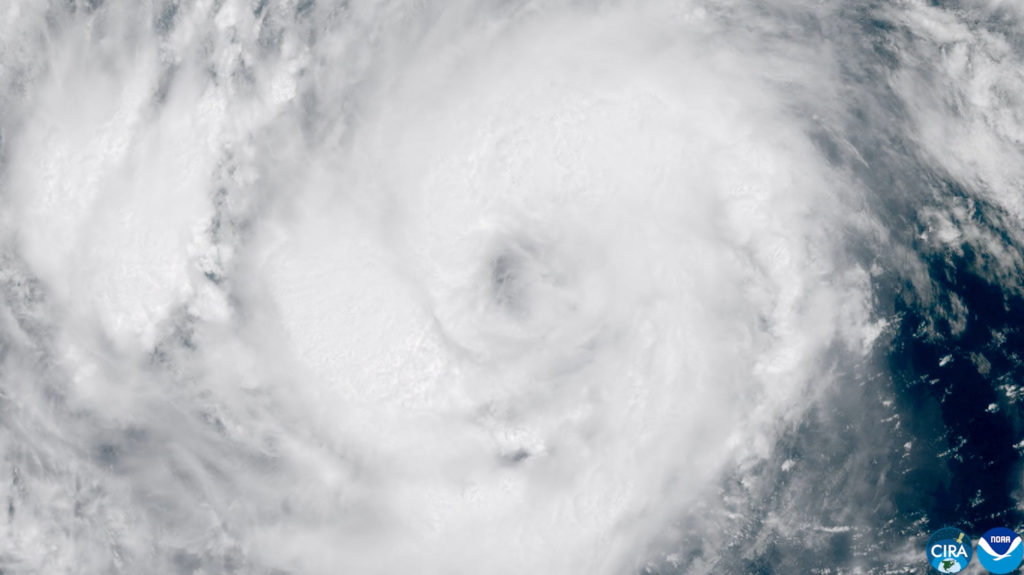
Residents across Hawaii are preparing for severe weather conditions as Hurricane Nolo approaches the archipelago, bringing threats of catastrophic flooding and high winds. The storm system was positioned approximately 185 miles south of the Big Island on Friday morning, moving northeastward with maximum sustained winds of 85 mph. Forecasters indicate that tropical storm conditions will likely reach land by evening, prompting officials to urge residents to shelter in place well into Saturday. Although the hurricane is projected to turn west and avoid a direct hit on the islands, the peripheral effects are expected to be significant, particularly regarding precipitation levels.
Rainfall projections have been adjusted downward from earlier estimates but remain dangerous. Eastern and southern regions of the Big Island could receive between 10 and 15 inches of rain, with isolated areas potentially seeing up to 25 inches. This volume is concerning because these same southeastern zones were impacted by Hurricane Lala in August and are still saturated from subsequent precipitation. The National Hurricane Center warned that this combination of existing ground moisture and new heavy rainfall creates a high risk for life-threatening floods and mudslides, particularly on Maui and the Big Island.
In response to the escalating threat, Hawaii Governor Josh Green issued an emergency proclamation and requested a disaster declaration for four counties. More than 230 members of the Hawaii National Guard have been activated to assist with potential relief efforts. Schools across the state were closed, and county officials on the Big Island encouraged residents in flood-prone areas to seek refuge at designated shelters or other safe locations. Sand for sandbags was made available at public sites, and Mayor Kimo Alameda emphasized the importance of completing preparations and securing shelter before flooding begins.
Utility providers are also mobilizing resources ahead of the storm. Hawaiian Electric announced that crews previously deployed to Kauai for restoration work following Hurricane Lowell would return to Oahu, Maui, and the Big Island. This repositioning aims to ensure rapid response capabilities in case power lines are damaged by wind gusts reaching 50 mph or falling trees. The utility company’s strategy reflects a proactive approach to managing infrastructure vulnerabilities during the approaching weather event.
While Nolo poses a flooding threat, Hurricane Polo is intensifying rapidly in the eastern Pacific Ocean. The storm gained significant strength overnight into Friday morning, with estimated sustained winds reaching 180 mph, classifying it as a major hurricane. Although its center remained far from land over the ocean, Polo brought storm conditions to parts of western Mexico’s coast. Authorities reported no major damage or widespread flooding along the coast during the initial impact, but the situation remains volatile as the system continues to strengthen.
Polo is expected to turn northward and make landfall on the Baja California Peninsula late Sunday into Monday. Mexican authorities have deployed 15,000 security personnel across coastal areas, opened shelters, and cleared beaches to ensure public safety. Schools were closed in affected regions, and residents in some coastal communities evacuated their homes or fortified properties with sandbags. The sheer power of the storm has drawn attention from meteorologists who note its intensity among the strongest storms ever recorded in the region.
In the port city of Lázaro Cárdenas in Michoacán, earlier impacts from the storm system resulted in seawater sweeping through homes and leaving debris scattered across streets. Local residents and government officials worked to clear thick mud and damaged materials. Business owners like Alicia Contreras reported severe structural damage to their properties, including roofs and walls compromised by large waves. The economic toll on small businesses is a growing concern, with some owners expressing uncertainty about their ability to recover financially after losing their primary source of income.
The broader implications of these storms extend beyond the immediate impact zones. Moisture associated with Polo is expected to move into parts of the southwestern United States by Monday, potentially causing scattered flash flooding in the Four Corners region. Meanwhile, Hawaii remains on high alert as Nolo strengthens into a major hurricane over the weekend. The convergence of multiple severe weather events highlights the challenges faced by emergency management agencies in coordinating responses across different geographic areas simultaneously.
As both storms evolve, officials continue to monitor their paths and intensities closely. For Hawaii, the focus remains on mitigating flood risks and ensuring public safety through sheltering and preparedness measures. In Mexico, the priority is protecting coastal communities from the impending landfall of a powerful hurricane. The situation underscores the importance of staying informed through official alerts and adhering to guidance from local authorities throughout the duration of these weather events.
Sources behind this briefing
Go to the original reporting
- PBS NewsHour↗Hurricane Nolo threatening Hawaii with heavy rain as Polo churns near Mexico

