The short version
- Hurricane Nolo is moving slowly south of Hawaii, bringing risks of flash floods and mudslides to areas still repairing damage from earlier storms.
- Federal emergency declarations have been approved for Hawaii, activating National Guard units and coordinating aid distribution ahead of the storm's arrival.
- In Mexico, Hurricane Polo threatens the Baja California peninsula, raising concerns about power outages and isolation in remote fishing communities like San Juanico.
Hurricane Nolo is approaching the Hawaiian Islands with significant intensity, prompting urgent warnings for flash flooding, dangerous winds, and extreme surf. The storm was moving slowly south of the Big Island on Saturday, with maximum sustained winds reported between 90 and 105 miles per hour depending on the specific forecast update. Its center remained approximately 145 to 160 miles south of Hawaii’s southernmost point. Meteorologists indicated that Nolo could strengthen into a major hurricane over the weekend while tracking westward, potentially posing life-threatening risks even without a direct landfall.
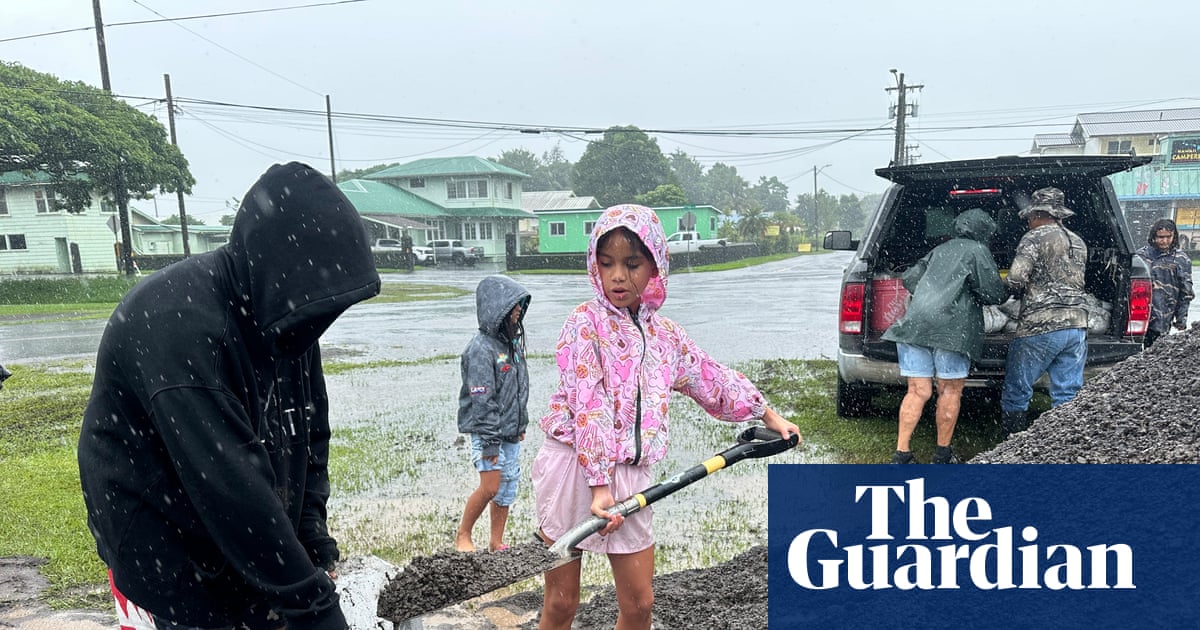
The primary concern for Hawaiian officials is the volume of rainfall expected. Parts of the Big Island could see totals reaching up to 20 inches, creating conditions ripe for mudslides and severe flooding. Michael Brennan, director of the National Hurricane Center, advised residents to avoid venturing outdoors due to the combination of hazardous floodwaters and high winds that could down trees and power lines. Heavy rain is also anticipated across other islands in the chain, compounding the logistical challenges for emergency responders.
This storm arrives at a particularly vulnerable time for Hawaii, which is still recovering from previous tropical systems. Residents on the Big Island are rebuilding after Hurricane Lala in August, which generated winds strong enough to sweep roughly 100 homes off their foundations. Additionally, crews had recently been working to restore power in Kauai following Hurricane Lowell earlier this month. Hawaiian Electric has redirected restoration teams from Kauai back to Oahu, Maui, and the Big Island to prepare for Nolo’s impact.
In response to the escalating threat, federal and state authorities have mobilized resources. President Donald Trump approved an emergency declaration for Hawaii on Friday, enabling the Federal Emergency Management Agency to coordinate assistance and provide funding for emergency measures. The governor issued a proclamation activating hundreds of National Guard members. Local officials in Hawaii County urged residents in flood-prone zones to consider seeking refuge in shelters or other safe locations.
Humanitarian organizations are also stepping up efforts to support affected communities. The Community Organized Relief Effort (CORE) and partner groups spent the week packing and shipping supplies, including camp stoves and hygiene products, via air cargo from Oahu to the Big Island. These items are destined for a community relief hub that has been operational since August. Shop owners have boarded up businesses, and public events have been canceled as residents prepare to hunker down.
Meanwhile, a separate but significant weather event is unfolding in Mexico. Hurricane Polo is heading toward the Baja California peninsula after bringing storm conditions to the southwestern coast. As of Saturday, Polo was producing maximum sustained winds between 145 and 155 miles per hour, classifying it as a Category 4 storm. Forecasters expect the system to gradually weaken before making landfall on Monday, but its path includes vulnerable coastal communities.
San Juanico, a small fishing town on Baja’s Pacific coast, faces particular challenges due to its limited infrastructure. The community has only had full-time electricity for a few years and still experiences frequent outages. Without power, residents cannot refrigerate food or pump water. Fuel supplies are also precarious, as the nearest gas station is distant, and local tanks often run dry during high demand. Gloriely Robles Meza, a hotel manager in San Juanico, expressed deep concern, noting that locals feel they must prepare on their own without substantial help from authorities.
Residents in San Juanico are converting the local elementary school into a shelter, but fears remain about isolation if roads are washed out. The closest medical facility is approximately 80 minutes away in Ciudad Constitución. Jeffrey Westman, an American property owner in the area, noted that while late-summer storms are common, Polo feels different in its intensity. He expressed hope that the storm would lose strength before reaching the coast, as has happened with previous systems, but acknowledged the serious risks to food delivery and access to larger grocery stores if transportation routes are cut off.
The unusual activity in the Pacific this season aligns with patterns seen during El Nino years, according to weather service lead forecaster Bob Oravec. Storm activity has run above average during what is already the peak of hurricane season. As both Nolo and Polo continue their trajectories, officials in Hawaii and Mexico are balancing immediate safety preparations with long-term recovery strategies for communities already strained by recent extreme weather events.
Sources behind this briefing
Go to the original reporting
- The Guardian US↗Hawaii braces for powerful winds and flash flooding with Hurricane Nolo
- PBS NewsHour↗Hurricane Nolo expected to unleash powerful winds and flash flooding on Hawaii

