The short version
- Fifty suspected endangered parrot eggs were intercepted at Johannesburg's main airport, with many successfully hatching under the care of zoo staff.
- A Thai national was detained for allegedly using a homemade incubator bag to transport the eggs as hand luggage, facing potential prison time or heavy fines.
- This incident follows a similar arrest in July involving 418 eggs, signaling an increase in the sophistication of international wildlife trafficking operations.
Law enforcement agencies in South Africa have intercepted a significant shipment of endangered parrot eggs at Johannesburg’s primary international airport, marking a notable development in the ongoing battle against transnational wildlife crime. The seizure occurred last Thursday when officials detained a 50-year-old national of Thailand who was attempting to transport fifty eggs concealed within a specialized container designed to mimic incubation conditions. Unlike typical smuggling attempts that involve live animals or raw materials, this case involved embryos in various stages of development, requiring immediate and delicate intervention to ensure their survival.
The suspect was apprehended while carrying what authorities described as a homemade incubator bag, which served as hand luggage during the flight. This method suggests a high degree of planning and technical knowledge regarding the biological needs of the developing birds. The Department of Forestry, Fisheries and the Environment confirmed that the eggs are believed to belong to a species protected under the Convention on International Trade in Endangered Species of Wild Fauna and Flora. If convicted, the individual faces severe penalties, including fines reaching up to 10 million rand or imprisonment for up to ten years, reflecting the seriousness with which South African authorities treat violations of international conservation treaties.
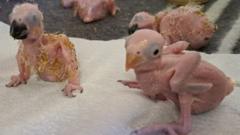
Following the arrest, the eggs were transferred to the National Zoological Garden in Pretoria, where specialized staff have been providing intensive care. Many of the rescued embryos have successfully hatched, and the resulting chicks are now receiving round-the-clock attention to maximize their chances of survival. The zoo’s team has worked tirelessly to replicate natural incubation conditions, a critical step given that the eggs were likely subjected to stressful and potentially harmful environments during transport. This successful intervention highlights the importance of having specialized facilities ready to respond to such seizures.
This event is not an isolated incident but part of a broader pattern of escalating wildlife trafficking activity in the region. Just weeks prior, in July, another Thai citizen was arrested at the same airport for attempting to smuggle 418 parrot eggs. The recurrence of similar crimes involving nationals from the same country and targeting the same species suggests organized networks rather than opportunistic individual actors. Authorities have noted that these trafficking rings are becoming increasingly sophisticated, utilizing advanced methods to evade detection and ensure the viability of their illicit cargo.
The illegal trade in parrot eggs poses a dual threat: it undermines wild bird populations by removing breeding individuals from their natural habitats and compromises animal welfare through cruel transport conditions. Officials emphasize that embryos smuggled in improvised devices often face high mortality rates due to temperature fluctuations, lack of humidity control, and physical stress. Even when seizures occur, the damage to wild populations has already been done, as the removal of eggs disrupts reproductive cycles and reduces genetic diversity within vulnerable species.
In response to these challenges, South Africa has implemented a comprehensive strategy over the past six years to strengthen collaboration among government institutions, law enforcement agencies, conservation authorities, customs officials, prosecutors, and international partners. This multi-agency approach aims to dismantle criminal networks involved in the illicit wildlife trade by improving intelligence sharing and coordination. The recent arrests were the result of a joint operation involving the Department of Forestry, Fisheries and the Environment, the Green Scorpions—a specialized environmental enforcement unit—and various police divisions.
Environment Minister David Maynier praised the coordinated effort, stating that illegal wildlife trafficking can only be effectively challenged through a unified defense of natural heritage. He specifically acknowledged the dedication of the zoo staff who provided critical care to the hatchlings, underscoring the role of scientific expertise in conservation enforcement. The minister’s comments reflect a growing recognition that combating wildlife crime requires not just legal penalties but also robust support systems for rescued animals and ecosystems.
South Africa remains one of the world’s most biodiverse nations, making it a prime target for criminal networks seeking to exploit its rich natural resources for profit on the international black market. While elephants and pangolins have historically been primary targets due to their ivory and scales, parrots and other exotic birds represent a lucrative niche market driven by demand in private collections and illegal pet trades. The shift toward targeting avian species indicates that traffickers are diversifying their operations to exploit new vulnerabilities in global conservation frameworks.
Looking ahead, authorities plan to continue leveraging intelligence-led enforcement efforts to disrupt these networks before they can move goods across borders. The success of the recent seizures demonstrates the effectiveness of targeted operations and international cooperation. However, the persistence of such crimes underscores the need for sustained vigilance and investment in both preventive measures and post-seizure care facilities. As trafficking methods evolve, so too must the strategies employed by those tasked with protecting South Africa’s natural heritage.
The case also raises questions about the broader implications of wildlife trafficking on global biodiversity and conservation ethics. Each successful seizure represents a small victory, but the scale of the problem remains daunting. With criminal organizations adapting quickly to regulatory changes and enforcement tactics, there is an urgent need for enhanced border security, stricter penalties, and greater public awareness. The hatching of these parrot eggs offers a glimmer of hope, symbolizing resilience in the face of exploitation, but it also serves as a stark reminder of the ongoing threats facing endangered species worldwide.
Sources behind this briefing
Go to the original reporting
- BBC World↗Parrot eggs hatch after suspected Thai smuggler arrested at South African airport

