The short version
- Kamala Harris is actively campaigning for Democratic candidates in key midterm battlegrounds while weighing a potential presidential run in 2028.
- Her appearance in Michigan highlights tensions with progressive factions and Arab American communities following the contentious 2024 election cycle.
- Party insiders remain divided on whether Harris should seek another nomination, with some urging new leadership and others defending her right to decide.
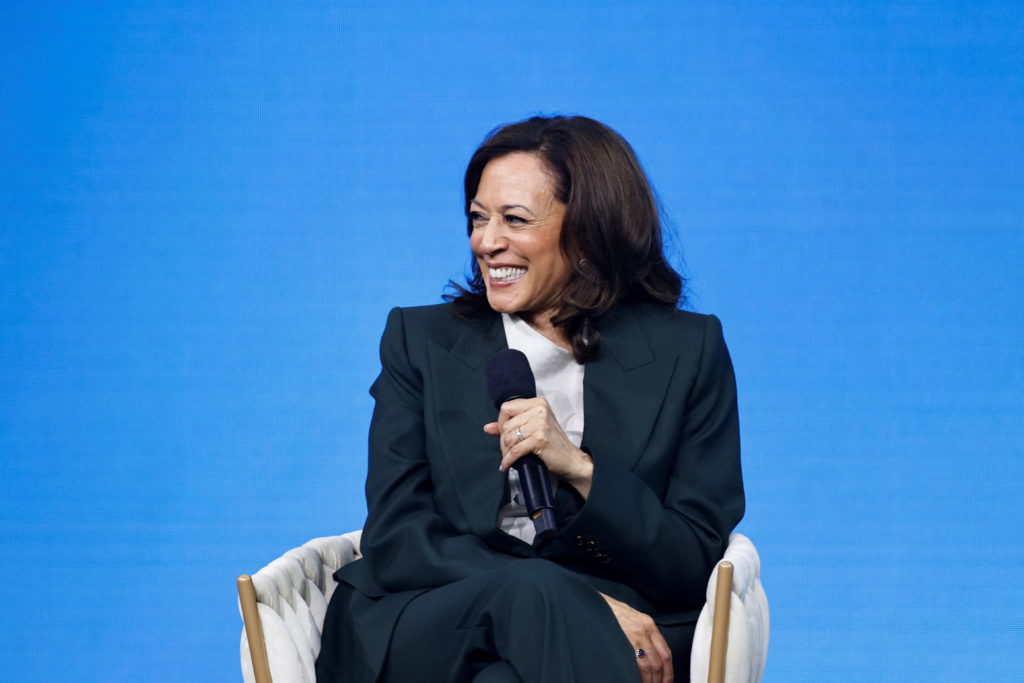
Kamala Harris has intensified her public engagement with Democratic midterm candidates as speculation mounts regarding her intentions for the 2028 presidential election. The former vice president began a series of campaign stops with a visit to Michigan on Tuesday, appearing alongside Senate nominee Abdul El-Sayed. This activity marks a shift from her previously low-profile approach since leaving office, signaling an effort to maintain relevance within the party apparatus while she considers her future political trajectory.
Michigan holds particular significance for Harris’s current efforts. The state was one of seven battlegrounds where she lost to Donald Trump in the 2024 election. It is also among the six states that will initiate the Democratic presidential nominating process next cycle. By choosing this location, Harris is confronting a electorate that rejected her ticket two years ago. Additional rallies are scheduled for Nevada and Georgia, further emphasizing her focus on states critical to both midterm outcomes and future primary contests.
The political landscape surrounding Harris remains fractured. Some prominent Democrats argue that she has exhausted her political capital and should step aside to allow new leadership to emerge. Barry Goodman, a Democratic National Committee member from Michigan who supported both Joe Biden and Harris, stated that running again would not be beneficial for the country. Similarly, Rob Sand, the gubernatorial nominee in Iowa, declined an invitation to campaign with her, citing a need for fresh direction after the previous administration’s defeat.
Conversely, other influential figures within the party defend Harris’s right to determine her own timeline without external pressure. Donna Brazile, a former DNC chair, dismissed calls to rush Harris into a decision as unproductive. She emphasized that Harris should not be penalized for the truncated nature of her 2024 campaign. California Governor Gavin Newsom recently indicated he would not seek the nomination if Harris decides to run, underscoring her status as a potential front-runner despite the mixed reception.
Harris’s presence in Michigan also serves as a test case for healing intra-party divisions. The state experienced significant tension during the 2024 campaign, particularly among Arab American communities who were dissatisfied with the administration’s stance on Israel’s military operations in Gaza. El-Sayed, an outspoken critic of those operations, has faced scrutiny from some Jewish voters but has sought to bridge these gaps through apologies and dialogue. He described the joint appearance as an opportunity to unite communities that have been strained by recent political events.
The relationship between Harris and the party’s progressive wing remains complex. El-Sayed is eager to solidify support from establishment figures while navigating his campaign against Republican nominee Mike Rogers. Harris’s involvement could help mitigate some of these tensions, although her history with progressive activists includes notable friction. The success of this outreach will likely be judged by how effectively she can demonstrate unity across ideological lines within the Democratic coalition.
Compared to other potential candidates like Pete Buttigieg, who has been actively stumping in South Carolina and elsewhere, Harris’s campaign travel has been more restrained. She visited South Carolina earlier in the year for smaller local events rather than high-profile rallies. Some party members suggest this behind-the-scenes approach is strategic, allowing her to avoid becoming a target for Republican attacks while still contributing to voter registration and turnout efforts among Black voters.
Looking ahead, Harris’s actions will be closely monitored for signals about her 2028 ambitions. Her ability to connect with diverse voter groups in Michigan and other key states could either solidify her position as a leading contender or highlight vulnerabilities that opponents might exploit. The coming months will reveal whether her current strategy effectively balances immediate midterm goals with long-term presidential aspirations.
Sources behind this briefing
Go to the original reporting
- PBS NewsHour↗Kamala Harris campaigning for Democrats in 2026 midterms as her 2028 decision looms

