The short version
- Harmeet Dhillon resigned as assistant attorney general, marking the end of a tenure defined by aggressive investigations into universities and a massive reduction in career staff.
- Dhillon stated she planned to leave weeks prior but remained until after the midterm elections at the request of the White House, denying that her departure was forced.
- Reactions were sharply divided, with Attorney General Todd Blanche praising her service while former division attorneys condemned her leadership as destructive to civil rights enforcement.
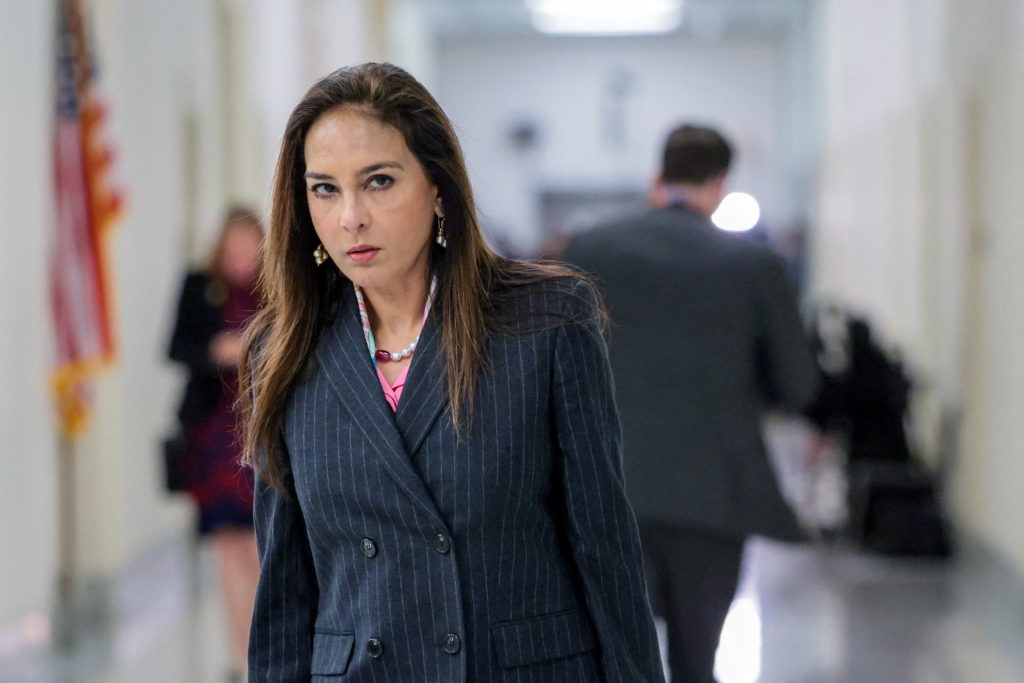
Harmeet Dhillon has resigned from her position as assistant attorney general of the Justice Department’s Civil Rights Division, concluding a tenure characterized by significant institutional changes and intense political controversy. The announcement came on Thursday, shortly after midterm elections in which Democratic candidates secured control of both chambers of Congress, marking a notable shift in the political landscape surrounding the Trump administration.
Dhillon, who was confirmed to the role last year, described her departure as a voluntary move to return to the private sector. In an interview with Fox News Digital, she clarified that she had decided to leave weeks before the elections but agreed to stay in her post until the voting concluded at the request of the White House. She emphasized that she was not asked to resign and characterized her time in office as the honor of a lifetime.
During her leadership, Dhillon oversaw what she termed the biggest single personnel self-purge in the history of the Justice Department. More than three-quarters of the division’s workforce at the start of President Donald Trump’s second term departed during this period. Dhillon defended these departures, stating that the goal was to remove attorneys who were not aligned with the administration’s priorities and to replace what she described as a misguided liberal agenda with strict enforcement of federal civil rights laws.
The division under her direction shifted its focus away from traditional police reform settlements and investigations. Instead, it launched sweeping probes into elite universities, alleging that these institutions improperly prioritized diversity, equity, and inclusion initiatives while discriminating against white applicants in admissions processes. The administration also accused schools of failing to address antisemitic conduct on campus, leading to numerous settlements and, in one prominent case, the resignation of the president of the University of Virginia.
Dhillon’s approach drew fierce criticism from former Justice Department attorneys who argued that she abandoned the division’s core mission. Stacey Young, a former attorney who now leads a network of Justice Department alumni, described Dhillon as the most destructive and lawless head of the division in its history. Young asserted that Dhillon decimated an institution that had spent nearly seventy years bringing civil rights laws to fruition for Americans.
Conversely, Attorney General Todd Blanche praised Dhillon’s tenure in a social media post announcing her departure. He stated that she led the division with conviction and defended the civil liberties of every American without fear or favor. Blanche expressed gratitude for her dedicated public service and wished her success in future endeavors, reflecting the administration’s view of her work as a necessary correction to previous policies.
Dhillon’s legal career prior to her appointment was marked by high-profile conservative causes. As a California lawyer, she challenged the state’s stay-at-home orders during the coronavirus pandemic and filed lawsuits alleging failures in voter registration verification. She also represented Donald Trump when a House committee investigated the January 6, 2021 attack on the U.S. Capitol, boasting after the committee abandoned its subpoena effort that they had waved the white flag.
Her political ambitions extended beyond legal practice, including a bid to become chair of the Republican National Committee in early 2023. She lost that race to Ronna McDaniel, a contest that highlighted internal divisions within the party. Born in India and immigrating to the United States as a child with her Sikh family, Dhillon became a prominent figure in conservative legal circles before assuming her role at the Justice Department.
The resignation leaves the Civil Rights Division in a transitional phase following a period of radical reshaping. The division’s future direction remains uncertain as new leadership considers how to address the legacy of recent investigations and personnel changes. The departure underscores the broader political tensions surrounding civil rights enforcement and the role of federal agencies in implementing administration priorities.
As the Justice Department adjusts to the post-election environment, the impact of Dhillon’s tenure will likely continue to be debated. Supporters view her actions as a necessary stand against what they perceive as ideological overreach, while critics see them as an erosion of established civil rights protections. The coming months may reveal how these changes affect ongoing cases and the division’s long-term institutional identity.
Sources behind this briefing
Go to the original reporting
- PBS NewsHour↗Harmeet Dhillon resigns after radical reshape of Justice Department's Civil Rights Division


