The short version
- Sales data indicates a more than fivefold increase in hybrid Halloween-Christmas products over four years.
- Younger adults are driving the shift toward extended seasonal spending on decor and fashion.
- Retailers report that the lack of traditional holiday rules makes this trend appealing to consumers.
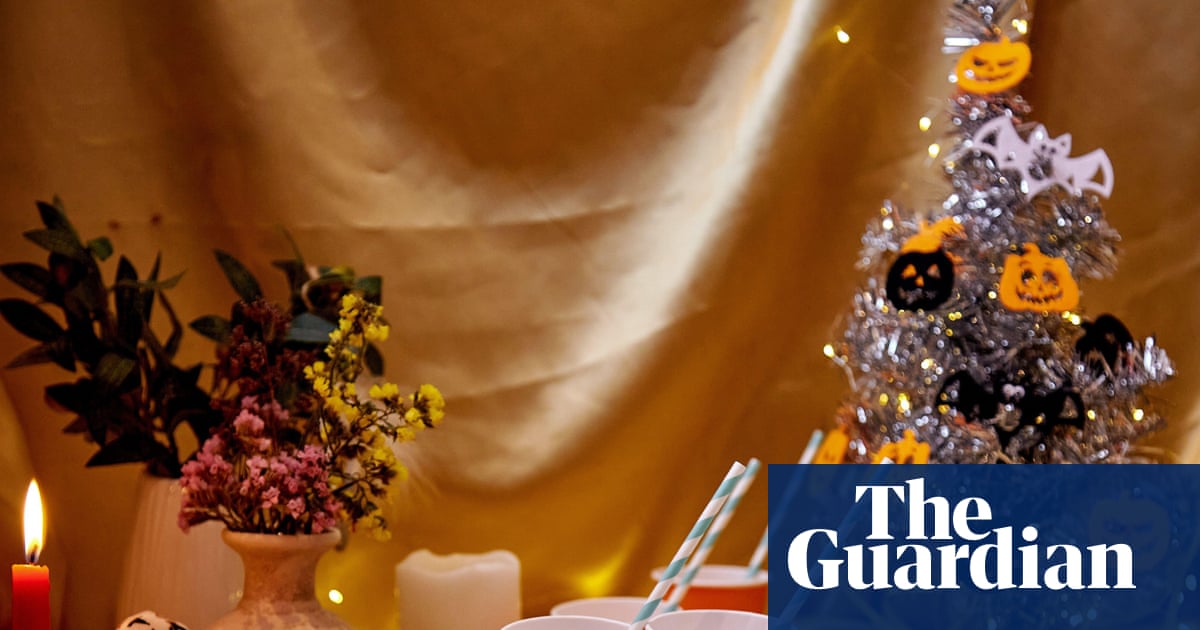
A distinct retail phenomenon known as Halloweenmas is reshaping consumer behavior in the United Kingdom, transforming what was historically a single-night observance into an extended period of themed activity. This shift involves the adoption of Christmas-style traditions, such as decorating trees and hanging wreaths, but with a spooky aesthetic that defines the season. The trend reflects a broader move toward experience-led spending, where the atmosphere and social opportunities provided by the holiday take precedence over traditional gift-giving obligations.
Data from wholesale platforms highlights the rapid commercial expansion of this hybrid season. Analysis of sales transactions reveals that the availability of products blending Halloween and Christmas themes has surged by more than 500 percent between 2021 and 2025. The inventory grew from just over four hundred items to more than two thousand six hundred, with significant growth concentrated in decorative categories like trees, wreaths, and ornaments. This expansion suggests that retailers are responding to a sustained demand for seasonal decor that spans the gap between autumn and winter holidays.
Specific product categories are seeing dramatic spikes in consumer interest. Budget retailers report that artificial Halloween-themed trees have become one of the leading decorating trends for 2026. Sales figures for these items were two hundred percent higher in September compared to the previous year, indicating that shoppers are beginning their seasonal preparations much earlier than before. The variety of available options ranges from elaborate, full-sized displays to simpler, smaller arrangements, catering to different levels of commitment and budget.
The appeal of this trend appears closely linked to the flexibility it offers participants. Unlike traditional Christmas celebrations, which often come with strict social expectations and high costs, Halloweenmas allows for a more relaxed approach to seasonal engagement. Retailers note that there are no rigid rules governing how these decorations should be displayed or what they must include. This freedom encourages creativity, allowing individuals to experiment with styles ranging from playful and child-friendly designs to darker, more intense themes without the pressure of meeting conventional standards.
Social media platforms have played a crucial role in accelerating and shaping this cultural shift. A significant portion of consumers now use digital channels not only for inspiration but also for direct purchasing decisions. Viral trends related to costumes, makeup tutorials, and home decor ideas are influencing spending habits well beyond the month of October. This digital integration helps extend the commercial life of the holiday, turning it into a continuous stream of content and commerce rather than a brief annual event.
Demographic analysis points to younger adults as the primary drivers of this change. Research indicates that individuals aged sixteen to thirty-four are disproportionately engaging with Halloween-related purchases, particularly in the areas of fancy dress, cosmetics, and home decorations. For this group, the holiday serves as an opportunity for self-expression and experimentation with fashion and aesthetics. The focus is less on traditional gift exchange and more on creating memorable social moments and personal style statements.
Industry observers suggest that the timing of the holiday also contributes to its growing popularity. With Halloween falling on a weekend in 2026, retailers anticipate increased activity around parties and social gatherings. This scheduling advantage provides a natural excuse for extended celebrations and further boosts sales of party supplies and decorative items. The combination of favorable timing and cultural momentum is expected to sustain the trend throughout the season.
Despite the commercial success of Halloweenmas, some critics view the expansion as excessive or commercially driven. However, proponents argue that the trend offers a valuable alternative to the stress often associated with major holidays. By focusing on fun, creativity, and shared experiences without the financial burden of traditional Christmas spending, Halloweenmas provides a low-pressure way for people to connect with friends and family. This balance of engagement and ease may explain its growing resonance among modern consumers.
As the season progresses, retailers are likely to continue expanding their offerings to meet this demand. The success of hybrid products suggests that the lines between seasonal holidays are becoming increasingly blurred in the retail landscape. Whether this trend represents a lasting cultural shift or a temporary fad remains to be seen, but its current impact on consumer behavior and inventory strategies is undeniable. The emergence of Halloweenmas marks a significant evolution in how seasonal celebrations are marketed and experienced.
Looking ahead, the implications for the broader retail industry could be substantial. If consumers continue to embrace extended seasonal themes, other holidays may see similar expansions in their commercial footprints. Retailers will need to adapt their supply chains and marketing strategies to accommodate these longer engagement periods. The success of Halloweenmas demonstrates that there is a viable market for holiday experiences that prioritize flexibility and creativity over tradition and obligation.
Sources behind this briefing
Go to the original reporting
- The Guardian World↗‘Halloweenmas’: how the spooky one-nighter turned into a month-long spectacular


