The short version
- Children constitute half of the suspected mpox cases in Guinea-Bissau, including sixteen patients younger than four years old.
- International agencies warn that weak health surveillance systems likely mean the virus is spreading undetected beyond current reports.
- The outbreak occurs against a backdrop of military rule, infrastructure failures, and upcoming school reopenings that complicate containment efforts.
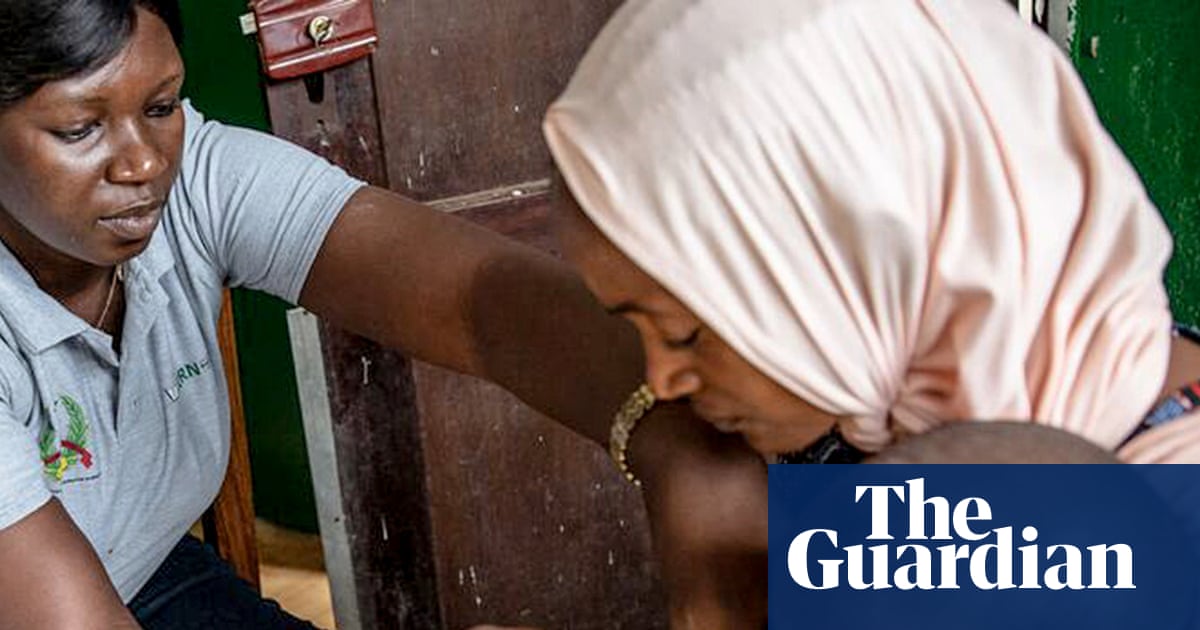
Guinea-Bissau is grappling with a growing mpox epidemic that has disproportionately impacted its youngest citizens. Local health authorities report that more than half of the suspected cases identified since the national outbreak was declared in early July involve children. Specifically, sixteen of these young patients are under the age of four. This demographic concentration raises urgent concerns about transmission dynamics within households and communities, particularly as the country prepares to reopen primary schools in September.
The epidemic was officially announced on July 4, following the confirmation of a case in a twenty-seven-year-old woman just days prior. Since that initial detection, health officials have confirmed seven additional cases while identifying forty-six suspected instances of the disease. To date, no deaths have been recorded in connection with this specific outbreak. However, the situation remains volatile, with new cases appearing intermittently over several weeks, indicating that active transmission continues despite containment efforts.
International organizations are sounding alarms regarding the reliability of current data. Unicef has issued warnings that the nation’s health surveillance infrastructure is fragile, suggesting that the virus is likely circulating undetected in areas not currently under scrutiny. Sandra Martins, Unicef’s deputy representative for the country, emphasized that this marks the first time mpox cases have been reported in Guinea-Bissau, characterizing even a small outbreak as a significant public health event given the lack of prior exposure or established protocols.
The geographic distribution of the illness is heavily concentrated in the Bissau autonomous sector, which includes the capital city. A single case has been identified in the nearby Biombo area. Health workers note that the viral variants detected are consistent with strains circulating in neighboring countries. This similarity underscores a persistent risk of cross-border transmission across West Africa, where mpox has caused more than two thousand deaths since January 2024 among tens of thousands of recorded cases.
Expert analysis suggests that addressing systemic weaknesses is critical to controlling the spread. Dr. Magda Robalo, a former health minister who previously led the country’s response to the coronavirus pandemic, argues that eliminating gaps in the health system requires prioritizing increased surveillance and reinforcing frontline medical capacity. As co-founder of the Institute for Global Health and Development and a former director of communicable diseases for the World Health Organization, Robalo highlights that intermittent case appearances signal ongoing community transmission that current measures have not yet halted.
The public health crisis is unfolding within a complex political and infrastructural environment. The country remains under military control following the suspension of last November’s presidential election. Basic services are frequently disrupted; for example, power outages affected Bissau recently due to fuel shortages. These logistical challenges complicate the ability of health workers to maintain consistent monitoring and response operations, further exacerbating the risks associated with a fragile surveillance network.
In response to the outbreak, community health workers have launched immediate grassroots initiatives. Supported by the health ministry and international agencies, these teams are conducting door-to-door awareness campaigns using megaphones and translated informational leaflets. These efforts aim to build public trust in the health sector and educate residents about transmission prevention. The approach is viewed as vital for ensuring compliance with safety measures in a population that may be skeptical of external interventions.
Sensitivities surrounding foreign-led health initiatives remain high in the region. Earlier this year, Guinea-Bissau suspended a controversial US-funded trial involving hepatitis B vaccinations for newborns, citing ethical concerns and procedural flaws. That decision was widely supported across the continent and has highlighted the need for careful coordination between local authorities and international partners. As the mpox response unfolds, maintaining community confidence while implementing necessary medical interventions will be a delicate balancing act.
Looking ahead, the reopening of schools in September presents both a challenge and an opportunity. While increased contact among children could accelerate transmission, it also provides a structured environment for health education and monitoring. The success of current containment strategies will depend on the ability to strengthen laboratory capabilities and surveillance systems before the virus gains further foothold in undetected communities. Without significant improvements in these areas, the risk of a wider epidemic remains substantial.
Sources behind this briefing
Go to the original reporting
- The Guardian US↗Children make up half of mpox cases in Guinea-Bissau as epidemic spreads

