The short version
- The Fuego volcano erupted with significant intensity, sending ash clouds nearly four miles high and triggering lava flows down its slopes.
- Emergency officials evacuated at least 350 people from nearby villages to shelters in San Juan Alotenango and other locations.
- Schools were closed and roads restricted near the site, though air traffic in the capital remained unaffected by the ash plume.
Authorities in Guatemala have escalated the alert level for the Fuego volcano to the country’s second-highest warning following a significant eruption that began on Monday morning. The event has resulted in the evacuation of hundreds of residents living on the volcano's slopes, as lava rivers and dense ash plumes posed immediate threats to nearby communities. By Tuesday, the intensity of the activity had persisted for over twenty-three hours, although officials noted some easing in the force of the eruption.
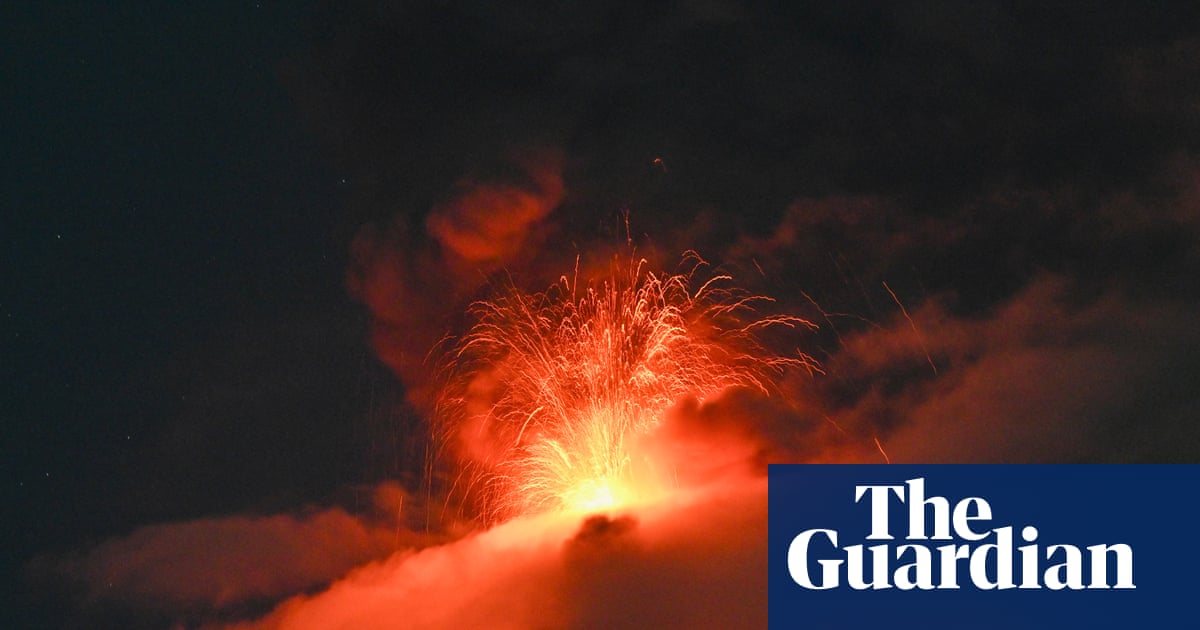
The Fuego volcano, located less than sixty-two miles from Guatemala City, is one of the most active volcanoes in Central America. During this latest episode, ash rose approximately six kilometers into the sky, creating dramatic visual conditions as lava streamed down the 3,763-meter peak. The National Institute of Volcanology warned that communities situated on the western and southern flanks faced the greatest risk from hot volcanic debris flows, a hazard that has historically caused severe damage in the region.
Emergency response teams moved at least 350 residents from the villages of El Porvenir and Las Lajitas to safety. These evacuees were transported to the municipality of San Juan Alotenango, where they are being housed in a community hall equipped with makeshift beds. Local authorities also reported that dozens of additional families, including children, found shelter in Escuintla, a town to the south. The total number of displaced individuals remains uncertain as some villagers left their homes voluntarily due to fear rather than official orders.
Residents described the experience as terrifying and unprecedented in its intensity for recent memory. Alejandro Garcia, a 68-year-old local, noted that activity began early Monday morning, but the situation deteriorated significantly by nightfall, prompting the decision to evacuate. Sonia Vasquez, another resident, expressed that while locals are accustomed to the volcano’s constant activity, this particular event exceeded their usual tolerance for risk. Lidia Ortiz, a 40-year-old evacuee, highlighted the anxiety of staying in temporary shelters without clear guarantees of safety.
The National Coordination Committee for Disaster Reduction advised residents to follow the principle of self-evacuation if conditions threatened their lives or if official orders were issued. This guidance reflects the unpredictable nature of volcanic activity, which often provides little warning before sudden intensification. The committee’s spokesperson emphasized the importance of proactive measures given the rapid changes in environmental conditions around the crater.
In response to the ongoing hazard, the Ministry of Education suspended face-to-face classes in communities within two municipalities adjacent to the volcano. Traffic police also closed a major road that encircles the mountain range, disrupting connections between the southern coast and Antigua, a colonial city and UNESCO World Heritage site that serves as a primary tourist destination. These closures aim to prevent civilian exposure to potential ash fall and debris flows.
Despite the significant ash plume, Guatemalan authorities stated that there was no immediate impact on air traffic at the capital’s international airport. Officials urged caution regarding aviation safety but confirmed that flights continued to operate normally. The situation remains monitored closely by volcanologists who are tracking the behavior of the magma and gas emissions to predict further developments.
This eruption adds to a history of frequent volcanic activity in Guatemala, a nation situated on the Pacific Ring of Fire. Fuego has required mass evacuations in recent years, including an incident last year that displaced more than 500 people and another in 2023 that moved approximately 1,200 residents. The most devastating event occurred in 2018, when lava flows destroyed a village and resulted in 215 deaths, with a similar number of people remaining missing. These historical precedents underscore the persistent danger faced by communities living in the volcano’s shadow.
As the eruption continues to be monitored, authorities remain on high alert for any sudden changes in activity levels. The combination of lava flows and ash emissions presents complex challenges for emergency responders and local populations alike. While the immediate threat has prompted evacuations and infrastructure closures, the long-term implications for the affected communities depend on the duration and intensity of future volcanic behavior.
Sources behind this briefing
Go to the original reporting
- The Guardian World↗Guatemala volcano eruption prompts evacuation of hundreds of people

