The short version
- The Green Party executive committee refused a request to delay their upcoming annual conference despite leader Zack Polanski’s desire to focus resources on an imminent byelection campaign.
- The decision preserves the schedule for what is expected to be the party's largest gathering, avoiding significant financial losses and logistical disruptions for attendees who have already booked travel.
- Tensions remain regarding a contentious policy motion equating Zionism with racism, which Polanski reportedly seeks to amend before facing potential disciplinary measures against supporters of the original text.
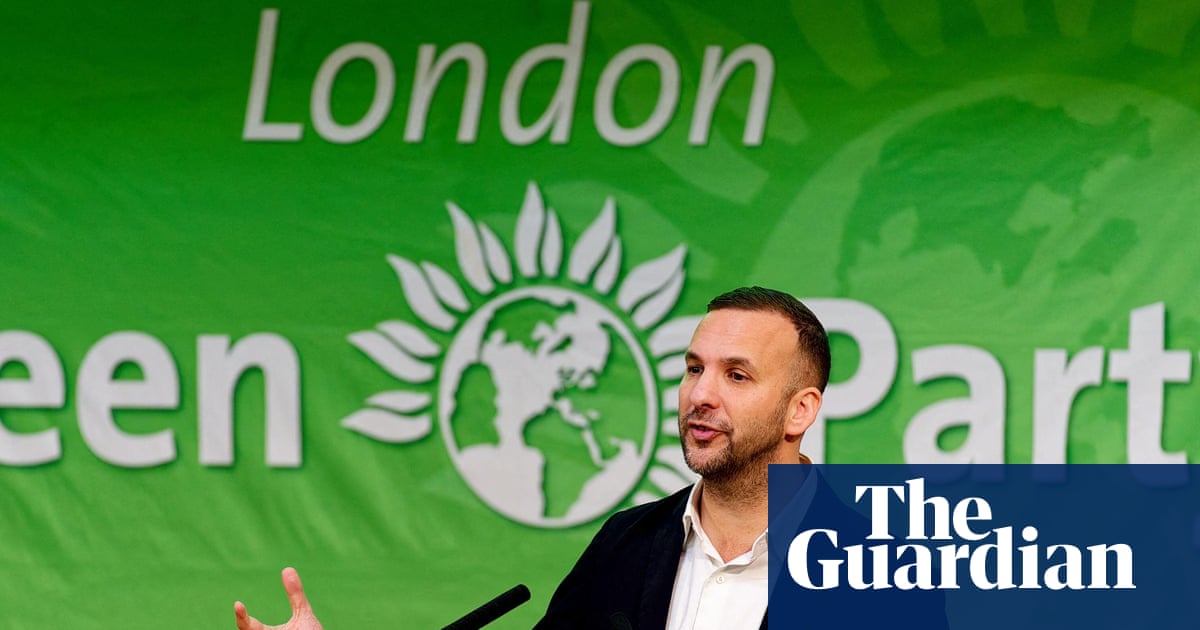
The Green Party in England and Wales has declined an internal proposal to postpone its annual conference, rejecting a strategy that would have allowed leader Zack Polanski to dedicate full attention to an upcoming parliamentary byelection. The executive committee, comprising approximately twenty-five voting members including the party leader, cast their votes against the delay on Thursday. This decision ensures that the event will proceed as scheduled in Brighton starting October 2, just four days before the election takes place on October 8.
The request to reschedule originated from concerns within the party apparatus about resource allocation. Staffers and leadership alike recognized that holding a major conference one week before a critical campaign could dilute efforts needed to secure victory in the Holborn and St Pancras constituency. Polanski is attempting to win Keir Starmer’s former seat, a traditionally safe Labour stronghold. While official statements attribute the formal request to staff worries about operational efficiency, reports indicate that Polanski himself favored postponing the gathering to maximize his personal involvement in the final stages of canvassing.
Logistical and financial considerations played a decisive role in the committee’s refusal. The party has already secured a venue for what is anticipated to be its largest-ever assembly, with roughly three thousand attendees expected. Canceling or delaying the event at this late stage would have resulted in substantial monetary losses due to non-refundable bookings. Furthermore, such a move would have inconvenienced members who had arranged time off work and reserved accommodation, potentially causing dissatisfaction among the grassroots base that Polanski relies upon for support.
The timing of the conference creates a strategic dilemma for the campaign team. Traditional byelection efforts involve intensive door-to-door canvassing during the final weekend before voting day. With thousands of the party’s most active volunteers occupied at the conference in Brighton, the Greens face challenges in mobilizing sufficient manpower for last-minute voter outreach. This structural conflict between internal party business and external electoral competition highlights the difficulties smaller parties face when balancing organizational growth with immediate political opportunities.
Beyond logistical concerns, underlying tensions regarding policy direction may have influenced the dynamics of the request. A highly contentious motion is set to be debated at the conference, one that equates Zionism with racism and advocates for a single Palestinian state. This proposal topped the list of member-submitted motions and is nearly guaranteed to feature prominently in discussions. If passed, the resolution could lead to disciplinary action against members who support Zionism, labeling such views as racist.
Polanski, who is Jewish, has not publicly stated his position on the motion but is understood to favor amendments that would soften its language. Some party insiders speculate that the leader may have preferred to contest the byelection before facing a vote on this divisive issue. Passing the motion in its current form risks alienating Jewish supporters and could create internal friction during a period when unity is essential for electoral success. The potential for disciplinary measures against pro-Zionist members adds a layer of complexity to Polanski’s leadership role.
The executive committee’s decision reflects a commitment to maintaining the party’s institutional momentum despite the immediate pressures of the election cycle. By proceeding with the conference, the Greens signal that long-term policy formulation and member engagement remain priorities alongside short-term electoral goals. This approach may help preserve cohesion within the party, even if it complicates the tactical execution of the byelection campaign.
A spokesperson for the Green Party emphasized that the organization remains dedicated to both running an ambitious campaign in Holborn and St Pancras and hosting a significant conference. The statement acknowledged the exploration of various resource allocation strategies but affirmed the final decision to uphold the original schedule. As the election date approaches, the party must navigate the dual challenges of managing internal debates while competing against established political forces in a key London constituency.
The outcome of this byelection will likely serve as a bellwether for the Greens’ ability to expand their influence beyond traditional strongholds. Success in taking a Labour seat would mark a significant shift in the UK’s political landscape, demonstrating the party’s growing appeal. However, the internal divisions over policy and strategy may temper expectations, underscoring the delicate balance required to sustain growth without fracturing the base.
In the coming days, attention will turn to how effectively the Greens can coordinate their campaign efforts while simultaneously engaging in high-stakes policy debates. The intersection of electoral ambition and ideological clarification presents a unique test for Polanski’s leadership. Whether the party can leverage its conference momentum to bolster its election drive remains an open question as voters prepare to cast their ballots.
Sources behind this briefing
Go to the original reporting
- The Guardian World↗Polanski request to postpone Greens’ conference to focus on byelection refused by party

