The short version
- The Avannaata municipality withdrew a plan to pay bounties for shark hearts after government officials questioned its legality.
- Fishers report significant financial losses from gear damage and competition for halibut, while conservationists warn the species cannot recover quickly from population declines.
- Experts suggest rising industry costs and quota pressures are intensifying long-standing conflicts between local livelihoods and marine biodiversity.
A contentious proposal to reduce the number of Greenland sharks in Arctic waters has been paused, marking a temporary resolution in a growing conflict between local fishing communities and marine conservation efforts. The Avannaata municipality, which includes the town of Ilulissat, had approved a plan earlier this year to cull one thousand sharks by offering a financial incentive for each animal removed. However, the initiative was dropped after national government officials raised concerns regarding its legal standing. While the immediate threat of an organized bounty program has receded, the underlying tensions between economic survival and ecological preservation remain unresolved.
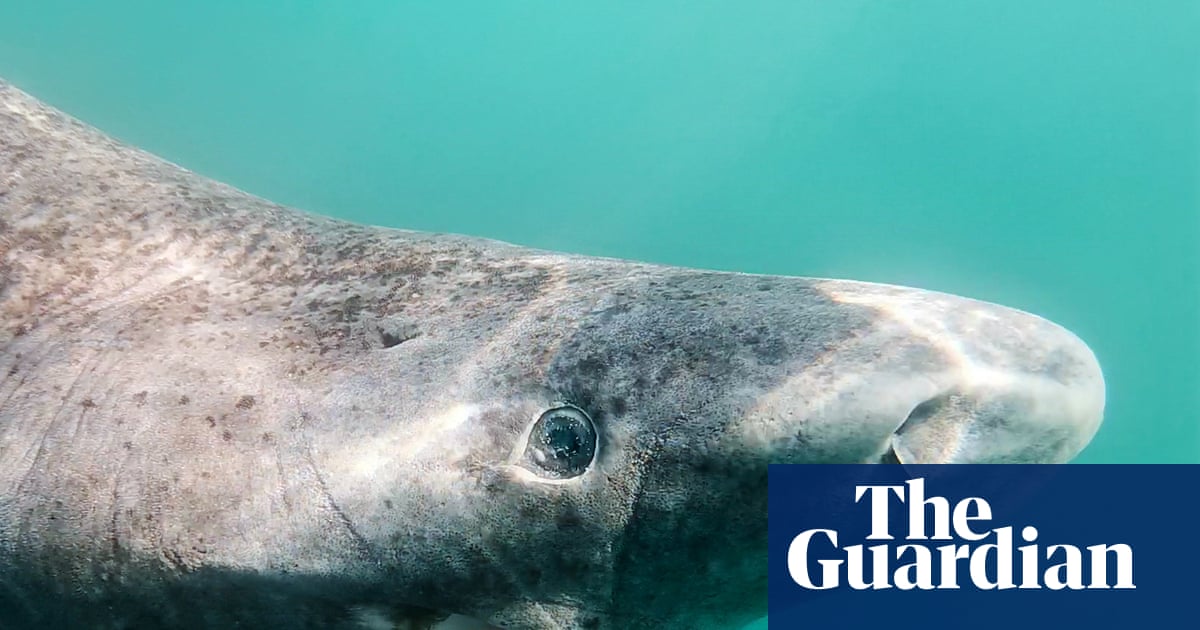
The dispute centers on the Greenland shark, a species characterized by extreme longevity and slow growth rates. These animals can live for more than four hundred years and do not reach sexual maturity until approximately age one hundred fifty. Because they reproduce so slowly, their populations are highly vulnerable to removal and take decades or centuries to recover from declines. Historically targeted for their liver oil in the nineteenth and mid-twentieth centuries, the species is still rebounding from those earlier periods of intense exploitation. Conservationists argue that any significant reduction in their numbers now could have lasting detrimental effects on the broader marine ecosystem.
For local fishers, however, the sharks represent a direct economic threat rather than an abstract ecological concern. Henrik Jensen, a halibut fisher operating north of Ilulissat, reports losing thousands of hooks annually to shark activity. He estimates daily losses can reach thirty thousand Danish krone when lines are cut or gear is damaged. The sharks compete with trawlers for the same catch, particularly Greenland halibut and Atlantic cod, often becoming entangled in fishing equipment as bycatch. This interaction forces fishers to replace expensive longlines frequently, eroding profit margins in an industry where costs are already rising.
The municipality’s initial decision to approve the cull was driven by a desire to protect the livelihoods of nearly four hundred fishers who depend on the local icebergs-laden fisheries. Mayor Lars Erik Gabrielsen emphasized the need to safeguard traditional food sources and income streams that have sustained the community for generations. The proposed bounty of three hundred krone per shark heart was modeled after similar schemes implemented in other Greenlandic municipalities during the late twentieth and early twenty-first centuries. Those previous programs resulted in the collection of tens of thousands of shark hearts, demonstrating the potential scale of such interventions if fully enacted.
Despite the historical precedent, conservation groups strongly opposed the new plan. Oceans North Kalaallit Nunaat argued that culling would be ineffective due to the migratory nature of Greenland sharks, which can travel up to two thousand kilometers annually. They warned that removing individuals from one area would simply lead to replacement by sharks moving in from other regions, failing to address the root cause of gear damage. Furthermore, many fishers expressed skepticism about the bounty itself, noting that hauling heavy sharks onboard is difficult and dangerous, making the financial reward insufficient to justify the effort and risk involved.
Scientific experts have raised alarms about the biological sensitivity of the species. Professor Nick Dulvy of Simon Fraser University described the Greenland shark as potentially the most vulnerable marine species to overfishing due to its life history traits. With an estimated global bycatch of three thousand five hundred sharks annually, the population continues to decline despite the cessation of targeted hunting decades ago. A large-scale cull could exacerbate this trend, pushing a species that is already struggling to recover further toward instability.
Underlying the specific debate over shark management are broader structural pressures within Greenland’s fishing industry. The sector accounts for roughly twenty-five percent of the nation’s gross domestic product, making it critical to the local economy. Jenseeraq Poulsen, director of Oceans North Kalaallit Nunaat, suggested that the escalation of conflict is not solely about shark behavior but reflects mounting stress from rising operational costs, limited alternative employment, and intense competition for fishing quotas. As margins narrow, longstanding nuisances become intolerable, prompting communities to seek drastic solutions.
The future of this conflict remains uncertain. While the current cull plan has been suspended, the prospect of future interventions looms as fishers continue to face economic headwinds. The average size of halibut is decreasing annually, even as prices rise, forcing operators to adjust their strategies. Without alternative solutions to mitigate gear damage or address quota pressures, the tension between preserving a unique biological heritage and supporting local livelihoods is likely to persist. The outcome will depend on whether legal, economic, or ecological priorities take precedence in subsequent policy decisions.
This situation highlights the complex challenges of managing marine resources in changing environments. It underscores the difficulty of balancing immediate economic needs with long-term conservation goals, particularly when dealing with species that operate on timescales far beyond human political cycles. The pause in the cull program offers a brief reprieve, but it does not resolve the fundamental incompatibility between current fishing practices and the preservation of one of the ocean’s most ancient inhabitants.
Sources behind this briefing
Go to the original reporting
- The Guardian US↗To cull or not to cull: Greenland debates fate of world’s slowest shark


