The short version
- Greenland has opened three new international airports, facilitating a record number of visitors in 2025 that nearly tripled the territory's small permanent population.
- Government officials view tourism expansion as essential for economic stability and future independence from Denmark, particularly as climate change threatens traditional fishing industries.
- Local communities express mixed feelings, with some residents protesting cruise ship access and fearing negative impacts on their isolated society and pristine environment.
Greenland is significantly altering its accessibility to the outside world through the opening of three new international airports. The most recent addition in Ilulissat, a city renowned for its icebergs and the territory’s third-largest urban center, now offers direct flights from Denmark and Iceland. This development follows the inauguration of airports in the capital, Nuuk, in 2024, and in Qaqortoq earlier this year. These infrastructure projects mark a deliberate shift toward integrating the remote Arctic territory into global travel networks, despite the challenges posed by its vast ice-covered landscape and lack of road connections between towns.
The push for increased connectivity coincides with a dramatic rise in visitor numbers. In 2025, Greenland welcomed nearly 180,000 tourists, a figure that dwarfs the local population of approximately 56,000 residents. Current projections indicate that this year’s figures will surpass those records. This influx represents a strategic effort to diversify an economy historically reliant on fishing and Danish subsidies. Prime Minister Jens-Frederik Nielsen has framed these developments as critical for building a robust economic foundation necessary for the territory’s ongoing pursuit of independence from Denmark.
However, the rapid expansion of tourism infrastructure has not been universally embraced by the local population. Concerns have emerged regarding the potential strain on historically isolated communities and the fragile Arctic environment. When the Nuuk airport opened, residents voiced apprehension about how a sudden surge in foreign visitors might disrupt their way of life. Similar tensions surfaced in Ilulissat, where locals successfully blocked a cruise ship from entering the harbor, citing a lack of tangible benefits from foreign tourist operations for the community.
The ambivalence toward tourism is compounded by broader geopolitical and environmental pressures. The territory’s residents have expressed anger and anxiety following former U.S. President Donald Trump’s previous threats to acquire Greenland, which heightened fears about sovereignty and external control. Simultaneously, the climate crisis poses an existential threat to the traditional fishing industry due to melting polar ice. These dual pressures are reshaping local perspectives on economic development, forcing a reconsideration of what constitutes sustainable growth in a rapidly changing Arctic landscape.
Despite the high volume of visitors, tourism remains a relatively small component of Greenland’s overall economy. In 2024, the sector accounted for only 4.9% of the gross domestic product. This statistic suggests that while visitor numbers are rising sharply, the financial infrastructure to capitalize on this trend is still in its early stages. The government and private operators are working to bridge this gap by promoting unique Arctic experiences, such as whale watching, dog sledding, ice fishing, and bathing in hot springs.
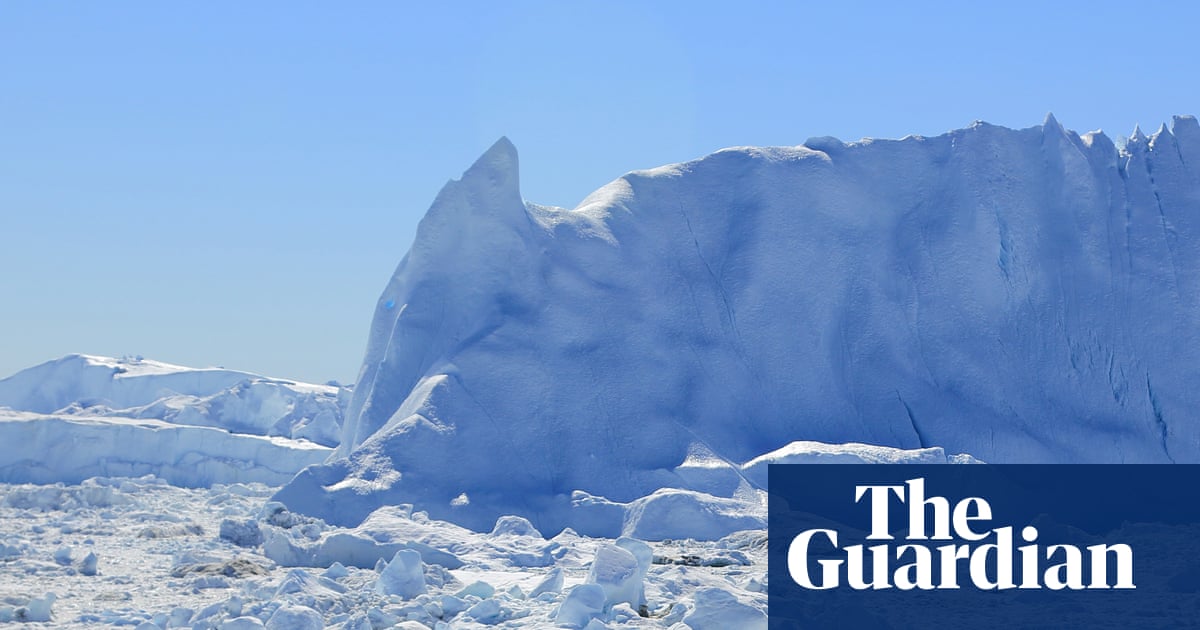
The territory’s natural beauty serves as a primary draw for international travelers. Visitors are attracted to the spectacular polar ice sheet, massive icebergs, and extreme light conditions, including the northern lights and the midnight sun. The stark contrast between these natural wonders and the modern infrastructure of new airports highlights the tension between preservation and development. Marketing efforts aim to leverage these visual assets to attract tourists seeking distinctive, high-impact travel experiences that differ from crowded Mediterranean destinations.
Cultural offerings are also being highlighted to broaden the appeal beyond nature tourism. Greenland possesses a vibrant music scene, including lively hip-hop and heavy metal communities, as well as an Indigenous Electronic music festival in Nuuk. These cultural elements provide additional reasons for visitors to engage with local life rather than merely observing the landscape. Efforts to integrate cultural tourism with natural attractions may help distribute economic benefits more evenly across the population.
Looking ahead, Greenland faces the challenge of balancing economic ambitions with community concerns. While new airports facilitate access, they also raise questions about long-term sustainability and social cohesion. The territory must navigate the delicate process of increasing foreign engagement without compromising the integrity of its environment or the well-being of its residents. As visitor numbers continue to climb, the success of this strategy will depend on how effectively local authorities can manage the impacts of tourism while advancing their goals for greater autonomy.
The situation in Greenland offers a case study in how remote regions respond to global trends in travel and climate change. Unlike destinations in Europe that are grappling with overtourism and resident backlash, Greenland is still in the growth phase of its tourism industry. The decisions made now regarding infrastructure, regulation, and community involvement will likely shape the territory’s future for decades. The interplay between economic necessity, environmental vulnerability, and cultural preservation remains at the forefront of this evolving narrative.
As the new airports begin to see regular traffic, the immediate focus is on ensuring that the benefits of increased tourism reach local communities. This includes creating jobs, supporting local businesses, and maintaining environmental standards. The success of initiatives in Ilulissat, Nuuk, and Qaqortoq will be measured not just by passenger numbers, but by the ability of Greenland to maintain its unique identity while opening its doors to the world. The coming months will reveal whether this ambitious strategy can deliver on its promises without triggering the social and environmental costs seen elsewhere.
Sources behind this briefing
Go to the original reporting
- The Guardian US↗Ibiza on ice: why is Greenland suddenly throwing open its doors to tourists?


