The short version
- The Greater Manchester combined authority is investigating loans made to companies controlled by Manchester City’s owner while Andy Burnham served as mayor.
- Critics question why a wealthy entity needed public financing and note that records of a pre-approval meeting between Burnham and club owners were removed from public view.
- Officials defend the loan fund, stating it has delivered thousands of homes at no cost to taxpayers and follows strict private-sector due diligence standards.
A formal review is underway into the financial arrangements that provided a £55 million loan to companies ultimately controlled by Sheikh Mansour bin Zayed al-Nahyan, the owner of Manchester City Football Club. The investigation focuses on transactions that occurred while Andy Burnham served as mayor of Greater Manchester, a period now under intense political scrutiny following revelations about the club’s financial conduct.
The loans were issued in 2017 through a fund operated by the Greater Manchester combined authority (GMCA). These funds were designated to support the Manchester Life project, a major housing development that pledged to construct 6,000 homes. While the GMCA has confirmed that the loans have been repaid in full, details regarding the interest rates applied and the specific eligibility criteria used to approve the financing remain undisclosed.
Political pressure on Burnham has intensified after Manchester City was found guilty of breaching financial rules over a nine-year period, resulting in an estimated £900 million boost to its income. During this controversy, Burnham faced criticism for his defense of the club’s owners, describing them as essential partners in the city’s modern development and expressing concern about their potential departure from the sport.
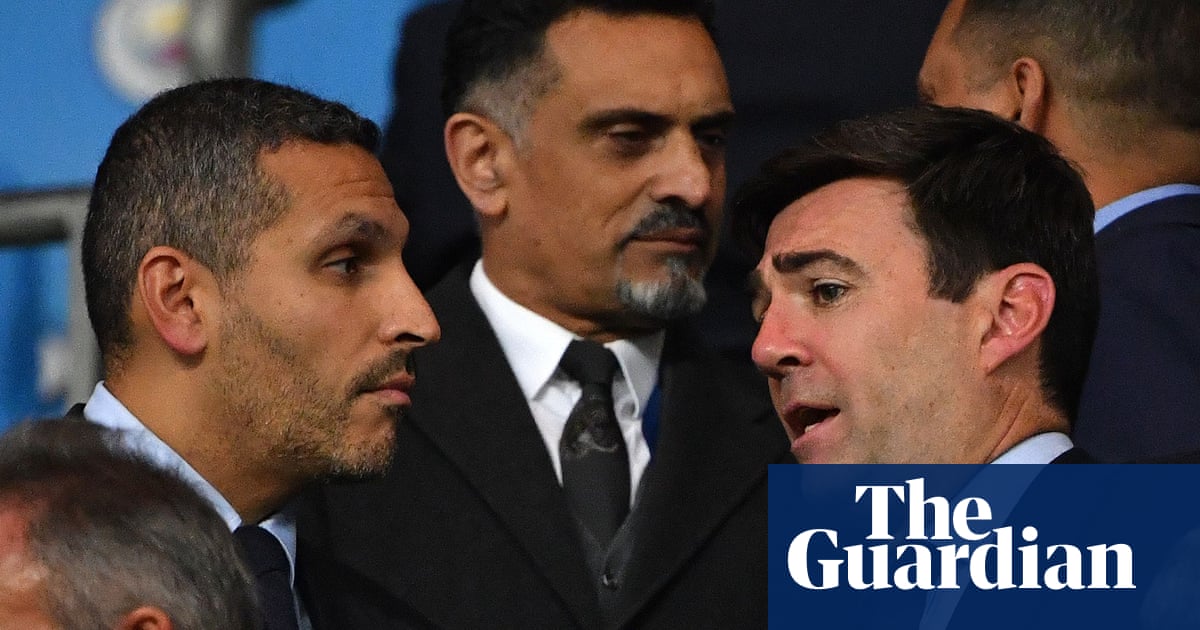
New concerns have emerged regarding a meeting between Burnham and representatives of the club’s ownership group. This encounter took place at the Etihad Stadium weeks before the loans were approved. Records of this meeting were subsequently removed from public archives, a discovery that prompted the prime minister to request a comprehensive manual review of Burnham’s official engagements to ensure complete transparency.
John Leech, a Liberal Democrat councillor who chairs the GMCA’s overview and scrutiny committee, has announced that the committee will examine the loan fund’s operations. Leech highlighted past criticisms describing the approval process as opaque, noting that it was often unclear why certain developers received funding while others did not.
Leech argued that it is reasonable to question why seemingly successful businesses required public money through this specific scheme. He pointed out that entities with access to vast private wealth, such as those linked to Abu Dhabi, would typically have no difficulty securing capital from other sources. This discrepancy suggests the process may have deviated from its original aims established in 2015.
The fund in question has distributed £1 billion to fifty separate developers since its inception. Proponents of the scheme emphasize its track record, noting that it has facilitated the construction of 11,000 new homes and contributed billions in development value without costing taxpayers directly. The GMCA maintains that all lending decisions are made publicly and based on parameters set by the government.
Officials assert that the fund remains open to all developers and adheres to due diligence standards developed with external financial experts to mirror private-sector practices. They state that no viable scheme has ever been rejected, implying a broad eligibility framework rather than selective favoritism. The GMCA has indicated it is fully supporting the scrutiny committee’s inquiries.
Downing Street declined to comment on the specific details of the investigation. As the review proceeds, the focus remains on whether the lending criteria were applied consistently and transparently. The outcome could influence public trust in local government financial oversight and clarify the nature of relationships between political leaders and major private investors.
The broader context involves ongoing debates about the role of wealthy foreign owners in English football and their integration into local civic projects. While the loans have been repaid, the lack of transparency regarding terms and the removal of meeting records continue to fuel questions about accountability. The scrutiny committee’s findings will determine whether procedural reforms are necessary for future public-private partnerships.
Sources behind this briefing
Go to the original reporting
- The Guardian World↗Manchester City owner’s £55m housing loan while Burnham was mayor investigated