The short version
- The federal government will not implement a proposal to transfer oversight of public broadcaster complaints to an independent external entity.
- Antisemitism envoy Jillian Segal argued that current internal processes fail to adequately address concerns about biased coverage of the Gaza conflict.
- Critics from progressive Jewish groups and Palestinian advocacy networks warned that such changes could threaten press freedom and conflate political criticism with hate speech.
The Australian government has decided against replacing the internal ombudsmen at the Australian Broadcasting Corporation and Special Broadcasting Service with an external oversight body, rejecting a key recommendation from the federal antisemitism envoy. This decision marks a significant point of contention in the ongoing national debate regarding media accountability, press freedom, and the rise of antisemitic sentiment following the October 2023 escalation in Gaza.
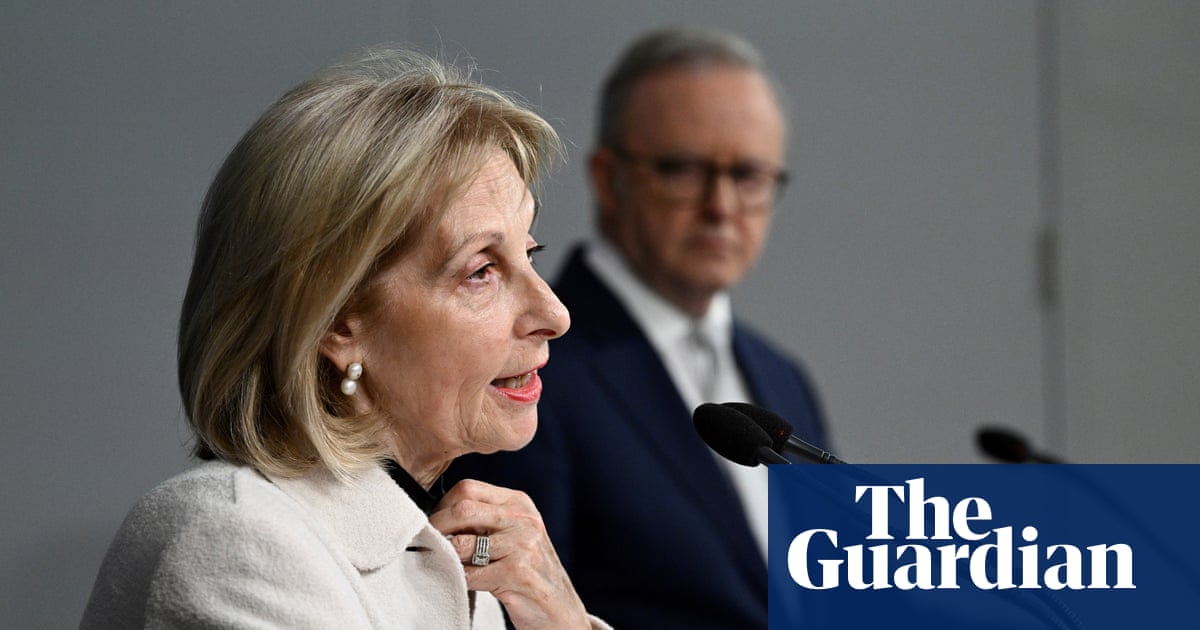
Jillian Segal, the special envoy on combating antisemitism, had proposed in an updated report released earlier this month that responsibilities for monitoring coverage be transferred to an independent external ombudsman. She argued that such a change would ensure publicly funded broadcasters are held accountable to their own stated standards of accuracy and impartiality. Segal noted that many within the Jewish community remain concerned that perceived one-directional reporting may foster hostile views toward those who support Israel or express sympathy for its position.
Government sources, however, have indicated that the existing regulatory framework already provides sufficient external checks. Officials pointed out that the Australian Communications and Media Authority serves as an independent regulator capable of investigating complaints escalated beyond the internal ombudsmen at both broadcasters. A spokesperson for Federal Communications Minister Anika Wells thanked Segal for her contributions while affirming that there is no place for antisemitism in Australia, describing it as a threat to social cohesion.
The proposal has drawn sharp criticism from various quarters. The progressive Jewish Council of Australia condemned the plan as authoritarian, arguing that it threatens democratic rights and freedom of speech. Similarly, the Australian Palestine Advocacy Network criticized attempts to equate legitimate criticism of Israeli government actions with antisemitism, asserting that speaking out against military conduct in Gaza is a matter of human dignity and rights.
Conversely, some Jewish organizations have supported stronger oversight measures. Alex Ryvchin, co-chief executive of the Executive Council of Australian Jewry, welcomed Segal’s suggestions, stating that meaningful accountability for public broadcasters can only be achieved through external mechanisms. This divergence highlights the complex challenge of balancing community concerns about hate speech with protections for journalistic independence.
The ABC has defended its current complaints process as the most robust and transparent in the Australian media landscape. The broadcaster emphasized that it is already subject to external review by Acma. According to ABC Alumni, a group representing former staff, the internal ombudsman has upheld only four out of thousands of complaints regarding bias or inaccuracy in Middle East coverage since October 2023. Furthermore, Acma has not upheld any appeals from dissatisfied complainants during this period.
Segal’s concerns about media tone and frequency have evolved over time. In her initial report mid-last year, she suggested giving the special envoy powers to monitor media organizations to encourage responsible reporting. Later, she proposed a new oversight committee that could provide guidance or approval for coverage. During recent Senate estimates, Segal reiterated her worries about the volume and nature of ABC reporting on Gaza, arguing that independence should not shield broadcasters from empirical review.
The government’s stance may shift in the coming months as it awaits the final report from the Royal Commission into Antisemitism and Social Cohesion. Headed by former High Court judge Virginia Bell, the commission was established following the deadly attack at Bondi Beach in December 2025. Minister Wells’ spokesperson indicated that the government will continue to work with the special envoy, Jewish communities, and all Australians to combat antisemitism while strengthening social cohesion.
As the royal commission prepares to deliver its findings in mid-December, the debate over media regulation remains unresolved. The decision to retain internal ombudsmen reflects a cautious approach by the Albanese government, which seeks to address legitimate concerns about hate speech without compromising the editorial independence of public broadcasters. The outcome of the royal commission’s inquiry will likely determine whether further structural changes to media oversight are pursued.
This episode underscores the broader tension between protecting minority communities from harm and preserving the free flow of information in a democratic society. While Segal argues that external scrutiny increases confidence in public institutions, critics warn that such measures could set a dangerous precedent for political interference in journalism. The government’s refusal to act on her latest proposal suggests a preference for maintaining the status quo until more comprehensive recommendations are available.
Sources behind this briefing
Go to the original reporting
- The Guardian World↗Labor won’t scrap ABC and SBS ombudsmen in favour of external body as suggested by antisemitism envoy