The short version
- Business Secretary Jonathan Reynolds condemned the masked blockade, distinguishing it from acceptable peaceful protest.
- The incident halted traffic on a key artery handling a third of UK-EU trade, causing significant congestion.
- Local MP Mike Tapp questioned police intelligence failures and called for enhanced security measures at the port.
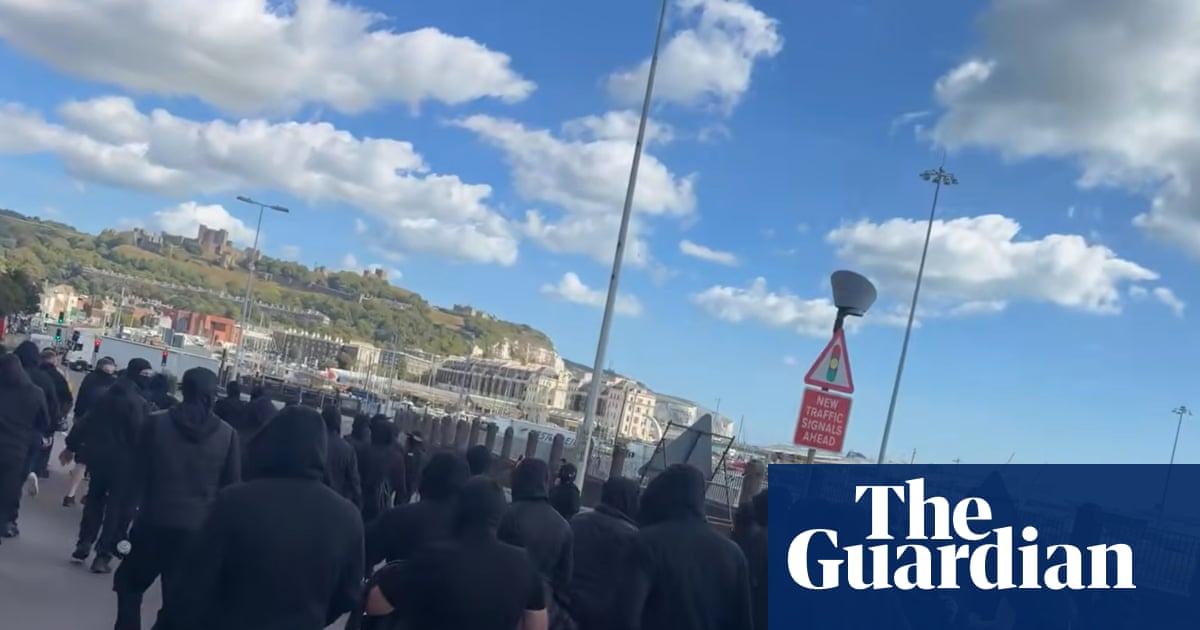
A coordinated demonstration by masked individuals in black clothing brought traffic to a standstill at the Port of Dover on Saturday, prompting sharp criticism from government officials. The incident, which blocked the A20 highway, resulted in four miles of congestion and delays lasting up to forty-five minutes for vehicles attempting to access or leave the port. National Highways confirmed the severity of the disruption, while videos circulating online showed demonstrators linking arms across the road as lorries waited alongside police vehicles.
Jonathan Reynolds, the business secretary, addressed the event on Sky News Sunday Morning, drawing a clear line between legitimate civic engagement and the tactics employed by the protesters. He stated that while peaceful protest remains an essential component of British life, dressing up in costumes to disrupt daily routines is not something the government expects or wants to see on British streets. Reynolds explicitly condemned the behavior and the resulting inconvenience for local residents, though he declined to offer specific commentary on policing strategies or security protocols.
Responsibility for the demonstration appears to have been claimed by Patriot Platform, an anti-immigration organization that describes itself as having a fierce love for the homeland. The group has links to far-right movements and used the blockade to voice opposition to migration. Social media footage captured participants chanting slogans such as stop the boats and England till I die, highlighting the ideological nature of the disruption. The number of individuals involved remains unclear, with police providing no official estimate, although one livestreamer suggested hundreds were present.
The Port of Dover classified the event as a public order incident. Kent Police attended the scene and engaged with the demonstrators, who dispersed by lunchtime without any arrests being made. Despite the resolution, questions regarding law enforcement preparedness have emerged. Mike Tapp, the Labour MP for Dover and Deal, criticized the characterization of the protest as spontaneous, arguing that it was clearly coordinated. He suggested that intelligence failures may have contributed to the lack of advance warning provided to local authorities.
Tapp emphasized the strategic importance of the port, noting that it handles approximately one-third of UK trade in goods with the European Union and significant volumes of roll-on, roll-off freight. He argued that when operations at Dover cease, the impact is felt across the entire country. The MP called for additional resources, including mutual aid from other forces such as the Metropolitan Police, to be mobilized quickly if the port faces similar targeting in the future.
Legal implications of the protest are also under scrutiny. Tapp pointed out that wilfully obstructing a highway can constitute a criminal offence. Furthermore, new legislation allows police to designate specific protest areas where concealing one’s identity with face coverings or balaclavas becomes illegal. This legal framework provides authorities with tools to address similar disruptions more effectively, though its application in this specific instance remains a subject of debate among local representatives.
A government spokesperson reiterated the fundamental right to peaceful protest within a democracy but maintained that the behavior observed in Dover warranted condemnation due to the travel disruption it caused. The incident highlights the tension between exercising free speech and maintaining the flow of critical national infrastructure. As investigations continue, officials are likely to review how intelligence sharing and police deployment can be improved to prevent future blockades at such vital economic hubs.
The aftermath of the protest has sparked broader discussions about security at key logistical points in the UK. While concerns regarding illegal migration are not inherently racist, as Tapp noted, the methods used to express these views must comply with existing laws and respect the rights of residents and businesses. The government faces pressure to balance civil liberties with the need to protect essential services from coordinated disruptions that threaten economic stability.
Sources behind this briefing
Go to the original reporting
- The Guardian World↗Black-clad Dover protesters condemned for ‘dressing up in costumes’ by minister

