The short version
- Gordon Brown asserts that the eventual unification of Ireland is inevitable, describing it as a long-term process requiring mutual agreement between communities.
- He contrasts this view with his staunch opposition to Scottish independence, arguing that Scotland remains deeply integrated with the rest of the United Kingdom across multiple dimensions.
- Brown advocates for continued oil and gas extraction in the North Sea, framing it as a necessary step to preserve infrastructure and skills for future renewable energy projects.
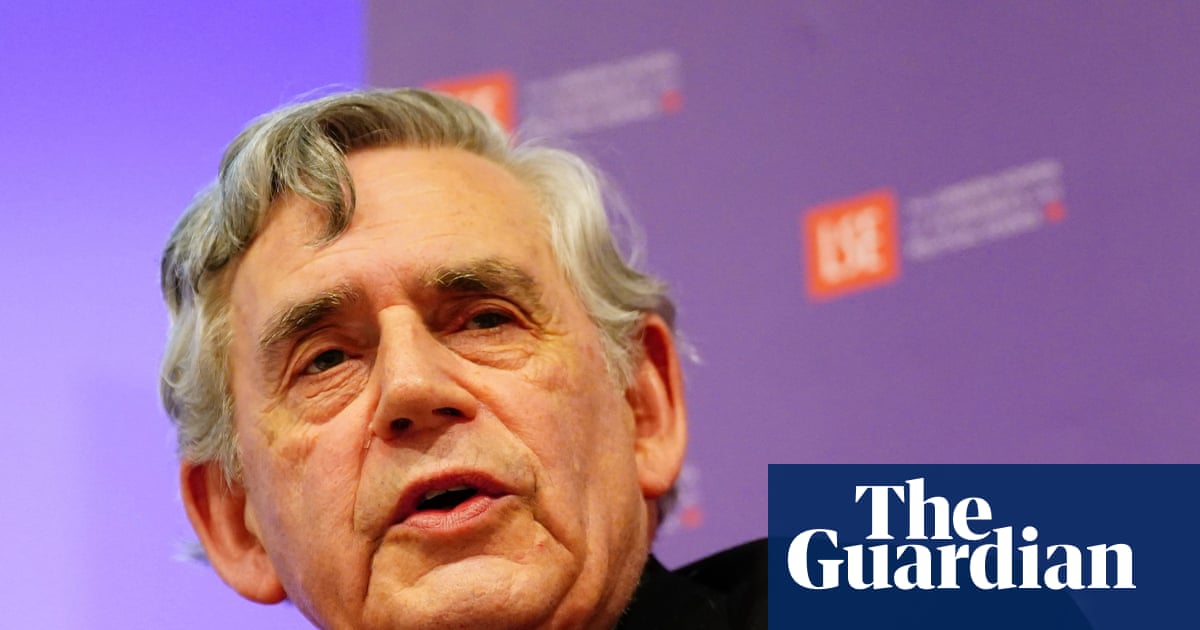
Former British Prime Minister Gordon Brown has stated that the unification of Ireland is an inevitable outcome, marking a significant distinction in his views on the constituent parts of the United Kingdom. In a recent interview, Brown outlined his belief that Northern Ireland will eventually leave the UK to join the Republic of Ireland, though he emphasized that this would be a gradual process dependent on widespread consensus and agreement among the people involved.
This perspective stands in sharp contrast to his firm opposition to Scottish independence. Brown argued that Scotland’s geographic, economic, social, and cultural ties to England, Wales, and other parts of the UK make separation an unviable path forward. He suggested that Scotland must find ways to cooperate within the existing union rather than seeking sovereignty, highlighting the deep interconnections that bind these regions together.
Brown’s comments on Irish unity carry weight given his historical role in Northern Ireland peace efforts. As Tony Blair’s chancellor during the signing of the 1998 Good Friday Agreement and later as prime minister when justice and policing powers were devolved to Northern Ireland, he was instrumental in advancing reconciliation measures. His current stance suggests a long-term view that separates the political destiny of Northern Ireland from that of Scotland.
Beyond constitutional questions, Brown addressed critical energy policy issues, specifically regarding oil and gas drilling in the North Sea. He defended the continuation of fossil fuel extraction, arguing against the notion that environmental progress requires an immediate and total abandonment of existing resources. Instead, he framed the decision as a strategic transition rather than a binary choice between old and new energy sources.
According to Brown, maintaining current oil and gas operations is crucial for preserving the infrastructure and skilled workforce needed for future renewable projects. He pointed out that these assets could be repurposed for hydrogen production, floating wind farms, and carbon capture and storage technologies. This approach aims to leverage existing capabilities to facilitate a smoother shift toward sustainable energy solutions.
He proposed that this transition could be managed through a European consortium involving countries such as Norway, Germany, the Netherlands, Belgium, and Denmark. Such a collaborative framework would allow for shared expertise and resources, potentially accelerating the development of green technologies while ensuring economic stability in regions dependent on North Sea industries.
Brown also challenged the perception that environmental policies are purely a financial burden. He noted that the cost of renewable energy has decreased significantly over the past two decades, making solar and wind power increasingly competitive with traditional fossil fuels. Investing in these technologies, he argued, can ultimately lead to cost savings and economic benefits rather than just expenses.
These remarks coincide with the release of Brown’s new book, The Future Starts With Us, which outlines his broader vision for British politics and policy. While he stated he does not wish to dictate actions to current leaders like Andy Burnham, his comments on energy and constitutional matters reflect a continued engagement with key national issues. His views offer a nuanced perspective on how the UK might navigate both internal divisions and external economic challenges.
The debate over North Sea energy remains politically sensitive, particularly as consultations on major projects like Rosebank and Jackdaw have recently closed. Brown’s argument that fossil fuel infrastructure can serve as a foundation for renewable innovation adds complexity to ongoing discussions about climate policy and economic transition. His stance underscores the tension between immediate environmental goals and long-term industrial strategy.
As political leaders grapple with these multifaceted challenges, Brown’s insights provide a framework for understanding the interconnected nature of constitutional stability and energy security. By linking the preservation of industrial capabilities with the advancement of green technology, he offers a pragmatic approach to navigating the uncertainties of both domestic politics and global environmental commitments.
Sources behind this briefing
Go to the original reporting
- The Guardian World↗Ireland will be united, says Gordon Brown