The short version
- Key Republican contenders cite the Iran war and tariff-driven inflation as primary causes for the Democratic victory.
- Ron DeSantis characterizes the election results as a near-extinction event for the party, highlighting internal contradictions on transparency issues.
- Donald Trump acknowledges that the conflict contributed to higher gasoline prices, which alienated potential supporters.
Prominent Republican figures who are positioning themselves for future leadership roles have identified two central pillars of the current administration’s agenda as the primary drivers behind the party’s decisive defeat in the midterm elections. JD Vance, Ron DeSantis, and Ted Cruz all pointed to the ongoing military conflict with Iran and aggressive trade tariffs as key factors that fueled a Democratic wave across the United States. These leaders argue that voter frustration over the cost of living, exacerbated by these specific policy decisions, overwhelmed other political dynamics in previous Republican strongholds.
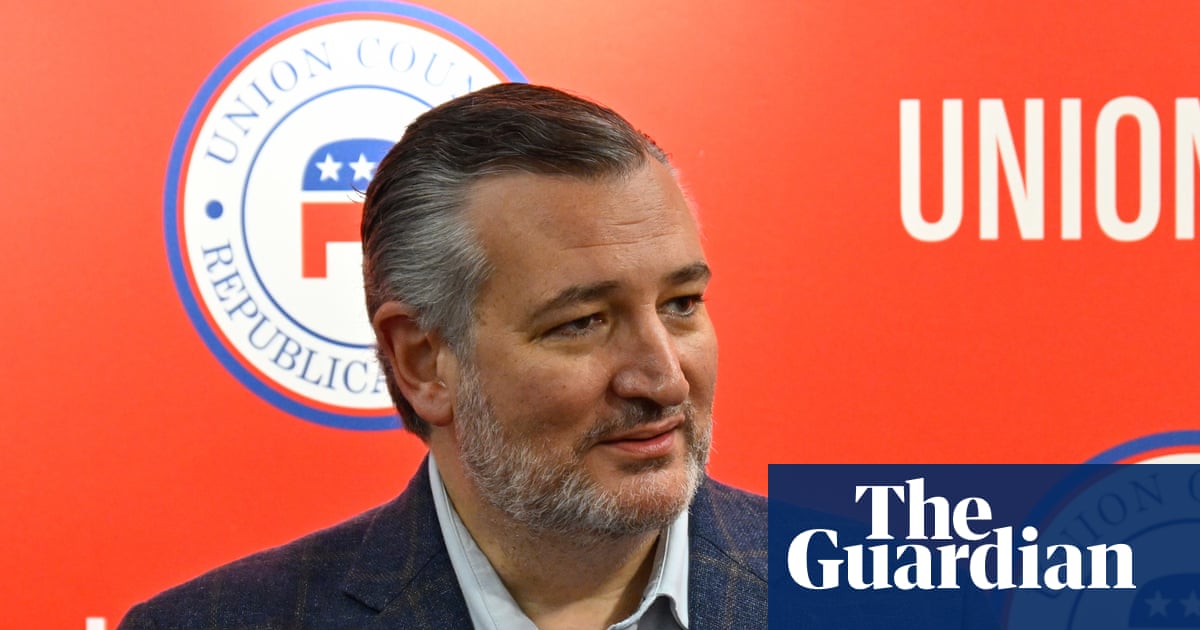
Ted Cruz, speaking on his podcast, emphasized that the economic impact of these policies was felt acutely by everyday Americans. He noted that tariffs have rendered goods excessively expensive while the war effort has extended beyond what voters considered acceptable. Cruz argued that the military engagement should have been short and decisive, suggesting that its prolonged nature eroded public support. He criticized fellow Republicans for failing to recognize or address these growing concerns regarding food, fuel, diesel, and insurance costs before it was too late.
JD Vance echoed these sentiments in a detailed social media post, asserting that the party’s losses were directly tied to voter anger over the administration’s focus on foreign conflict rather than domestic issues. He suggested that the diversion of attention away from American priorities alienated the electorate. Vance acknowledged the validity of this frustration, urging his colleagues to channel this dissatisfaction into rebuilding the party’s platform and addressing the underlying economic anxieties that drove voters toward the opposition.
Ron DeSantis offered a more severe assessment of the situation, describing the election results as close to an extinction-level event for the Republican Party. He highlighted additional internal contradictions that may have contributed to the defeat, specifically pointing to Democratic advertising campaigns that targeted Republicans over their handling of sensitive documents related to Jeffrey Epstein and congressional stock trading practices. DeSantis argued that the party’s stance on releasing these files appeared inconsistent when some members voted against transparency despite claims of accountability.
The economic context leading up to the election showed a clear trend of voter disgruntlement with the administration’s performance. Polling data indicated that Americans were increasingly concerned about rising gas prices and grocery costs, which they linked directly to the ongoing war with Iran. Democrats capitalized on this sentiment by promising to improve affordability and check the president’s expansive agenda. This strategy proved effective, resulting in Democratic gains in both chambers of Congress and a majority of gubernatorial races nationwide.
Even President Donald Trump acknowledged the connection between the military conflict and voter dissatisfaction. In remarks at the White House, he admitted that the war with Iran had driven up gasoline prices, which in turn pushed potential Republican voters away. This admission underscores the widespread recognition within the party that economic pressures stemming from foreign policy decisions played a significant role in the election outcome. The acknowledgment suggests a potential shift in how the administration might frame its future policy priorities.
The defeat has prompted immediate introspection among Republican hopefuls who aim to succeed Trump in 2028. While they disagree on specific tactical errors, there is a consensus that the combination of trade policies and military engagement created an untenable environment for the party. The challenge now lies in reconciling these criticisms with the broader ideological framework of the administration. Leaders like Cruz and Vance are calling for a return to core conservative principles that prioritize domestic economic stability over prolonged foreign interventions.
Looking ahead, the Republican Party faces the difficult task of rebuilding its base while addressing the legitimate concerns raised by voters. The midterm results serve as a stark reminder that policy decisions have tangible impacts on daily life, particularly regarding inflation and energy costs. As the party prepares for the next electoral cycle, it must navigate the tension between maintaining loyalty to the current administration’s agenda and responding to the economic realities that drove voters to the opposition. The coming months will likely see increased debate over how to balance these competing priorities.
The implications of this defeat extend beyond immediate political strategy. They highlight a broader disconnect between the party’s messaging and the lived experiences of many Americans. With Democrats now holding authority in Congress, the legislative landscape has shifted significantly. Republicans must adapt to this new reality while working to redefine their platform in a way that resonates with voters who are increasingly focused on affordability and stability. The path forward requires careful consideration of both domestic and foreign policy implications.
As the dust settles from the midterm elections, the Republican Party is left to grapple with the consequences of its recent decisions. The insights provided by Vance, DeSantis, and Cruz offer a glimpse into the internal reckoning that is underway. While opinions may differ on the specifics, the overarching theme is clear: the party must address the economic concerns of its base if it hopes to regain trust and competitiveness in future elections. The lessons learned from this defeat will likely shape the direction of Republican politics for years to come.
Sources behind this briefing
Go to the original reporting
- The Guardian US Politics↗Republicans hoping to succeed Trump in 2028 dissect midterm rout