The short version
- Finnish authorities have ordered Google to stop construction at two datacenter sites due to failure to conduct mandatory environmental impact assessments before clearing land.
- The controversy involves the illegal removal of approximately 400,000 trees across two locations, triggering public outrage and a petition signed by over 93,000 citizens.
- The incident has intensified political scrutiny regarding the balance between attracting foreign tech investment and protecting national environmental standards ahead of upcoming elections.
Finnish regulators have issued an immediate halt to construction activities at two Google datacenter sites following revelations that the technology company cleared vast tracts of forest without completing legally required environmental impact assessments. The Finnish Licensing and Supervision Authority intervened after determining that Google proceeded with land clearing in violation of national laws, effectively stripping the earth of vegetation and topsoil before securing proper permits. This regulatory action marks a significant escalation in tensions between foreign tech giants seeking rapid infrastructure deployment and local authorities tasked with enforcing environmental protections.
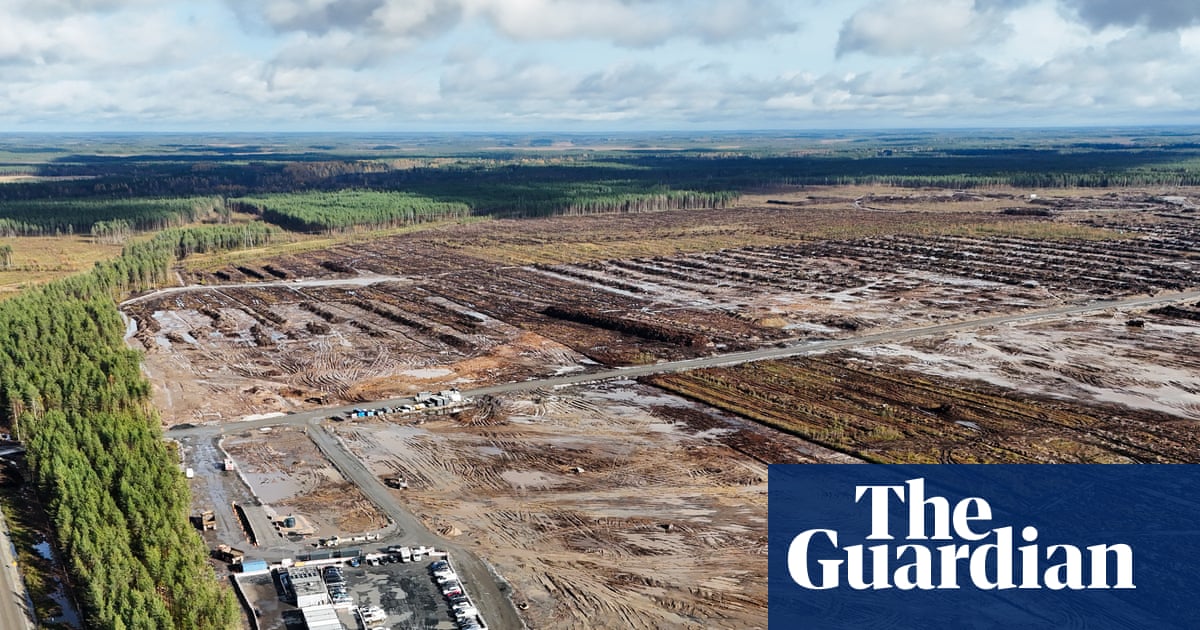
The scale of the unauthorized deforestation has drawn sharp criticism from conservationists and local residents. At the Muhos site in northern Finland, an estimated 250,000 trees were removed from a 330-hectare area that previously supported a dense forest ecosystem. Ecologists report that the land now resembles a scarred landscape of mud, machinery tracks, and exposed roots, with concerns raised about brown water runoff entering nearby streams that feed into the Oulujoki River. A second site in Otanmäki, located roughly 100 kilometers to the southeast, saw an additional 150,000 trees felled under similar circumstances. Conservation experts note that because the timber was harvested illegally, it cannot be sold to processing plants, rendering the resource loss total rather than transitional.
Google’s leadership in Finland has acknowledged the incident but stopped short of admitting legal wrongdoing. Antti Järvinen, the company’s country manager for Finland, issued an apology for the forest clearings while asserting that the firm acted based on its best understanding of legislation at the time. This defense has done little to quell anger among environmental groups, who describe the actions as a display of corporate arrogance that exploited a regulatory system built on trust. Hanna Halmeenpää, chair of the Finnish Association for Nature Conservation, expressed disbelief that any company would bypass such fundamental legal requirements, noting that the speed and scale of the operation shocked the public.
The controversy has ignited a broader national reckoning regarding Finland’s role in the global race to build artificial intelligence infrastructure. With 145 new datacenters currently at various stages of planning, the country has become a prime target for tech firms attracted by its cool climate, geological stability, and abundant land. These factors allow companies to reduce energy costs associated with cooling server farms. However, the Google incident has forced citizens and policymakers to question whether the economic benefits of such investments justify the environmental and social costs. Public concern is mounting over potential impacts on local communities, household energy prices, and the preservation of natural landscapes that are a source of national pride.
Political reactions have been mixed, reflecting the complex trade-offs involved in attracting foreign capital. The Finnish government, which has implemented significant spending cuts in recent years, had previously championed the Google investment as a top priority. Prime Minister Petteri Orpo initially praised the deal for delivering lasting benefits beyond direct financial injection, emphasizing the value of the data economy. However, following the disclosure of the illegal clearings, Orpo described the situation as a cold shower, signaling a shift in tone. The incident is expected to become a central issue in the upcoming April elections, with voters likely to weigh the promise of economic growth against the reality of environmental degradation.
Critics argue that the benefits of these massive infrastructure projects are disproportionately skewed toward international corporations rather than the Finnish public. Jussi Kangasharju, head of computer science at the University of Helsinki, noted that while datacenters may create a limited number of local jobs, they offer minimal national economic advantage. He pointed out that these facilities primarily serve international customers and generate little corporate tax revenue for Finland. This perspective has fueled demands for stricter regulation, including calls for a centralized body to coordinate datacenter approvals rather than leaving decisions to municipalities that may prioritize immediate economic gains over long-term sustainability.
Public mobilization against the unchecked expansion of tech infrastructure has been swift and substantial. More than 93,000 people have signed a petition calling for tighter regulations on datacenter development and the implementation of fees to compensate local communities for environmental damage. The petition underscores a growing sentiment that the current regulatory framework is playing catch-up with the rapid pace of technological deployment. Residents and activists are demanding greater transparency and accountability, questioning why Finland’s renewable energy resources should be dedicated to powering international corporations without adequate safeguards or local benefit.
The situation remains fluid as authorities determine the next steps in enforcing compliance and assessing penalties. The temporary halt on construction does not resolve the underlying issues of environmental damage or legal violations. Questions persist about how the cleared land will be restored, if at all, and whether Google will face significant financial consequences for bypassing permit requirements. As Finland navigates this crisis, the case serves as a cautionary tale for other nations considering similar investments, highlighting the risks of prioritizing speed over regulatory diligence in the era of artificial intelligence expansion.
International attention has also focused on the project, with former U.S. President Donald Trump publicly criticizing the decision to build such facilities in Finland rather than the United States. While this geopolitical dimension adds another layer of complexity, the immediate focus remains on domestic accountability and environmental justice. The incident has exposed vulnerabilities in Finland’s regulatory oversight mechanisms and challenged the assumption that foreign investment automatically aligns with national interests. As the dust settles on the cleared forests, the country faces a critical decision about how to balance technological ambition with ecological responsibility.
Looking ahead, the outcome of this dispute could set a precedent for how other Nordic countries manage their own datacenter booms. The combination of public outcry, political pressure, and regulatory intervention suggests that the era of unchecked expansion may be coming to an end. Stakeholders are now calling for a more coordinated approach that ensures environmental assessments are completed before any ground is broken. Until such reforms are implemented, the tension between economic opportunity and ecological preservation will likely remain a defining feature of Finland’s technological landscape.
Sources behind this briefing
Go to the original reporting
- The Guardian US↗‘Pure arrogance’: anger in Finland as Google illegally fells 250,000 trees for datacentre