The short version
- Vertebrate wildlife populations have declined by an average of 73 percent since 1970, with freshwater species suffering the sharpest losses at 85 percent.
- Economic stability is increasingly threatened as half of global GDP depends on ecosystem services, according to the World Wildlife Fund analysis.
- Recoveries in tiger, tuna, and sea turtle populations demonstrate that nature loss can be reversed through sustained intervention, though food systems remain a critical challenge.
A major new assessment of global wildlife trends indicates that vertebrate populations have shrunk by an average of 73 percent over the past five decades. The World Wildlife Fund analyzed nearly 36,000 animal populations and more than 5,000 species to create what it describes as the largest database of its kind. The findings suggest that degradation of natural systems continues at a rapid pace, with no evidence that the rate of loss is slowing down.
The decline is not uniform across the globe or among different ecosystems. Tropical regions, which are rich in biodiversity, have experienced the most severe drops in wildlife numbers. In Latin America and the Caribbean, land and freshwater populations fell by an average of 95 percent between 1970 and 2022. Africa saw an 80 percent decline, while Europe and Central Asia recorded a more modest 23 percent decrease. Freshwater environments worldwide have been hit hardest, with monitored populations in rivers and lakes dropping by 85 percent on average.
Land species declined by 69 percent, and marine species by 59 percent during the same period. These disparities highlight how different habitats are responding to human pressure. The report emphasizes that nature loss is no longer solely an environmental issue but has become a direct threat to economic stability. Approximately half of global GDP, valued at roughly $58 trillion in 2023, relies on nature and its ecosystem services.
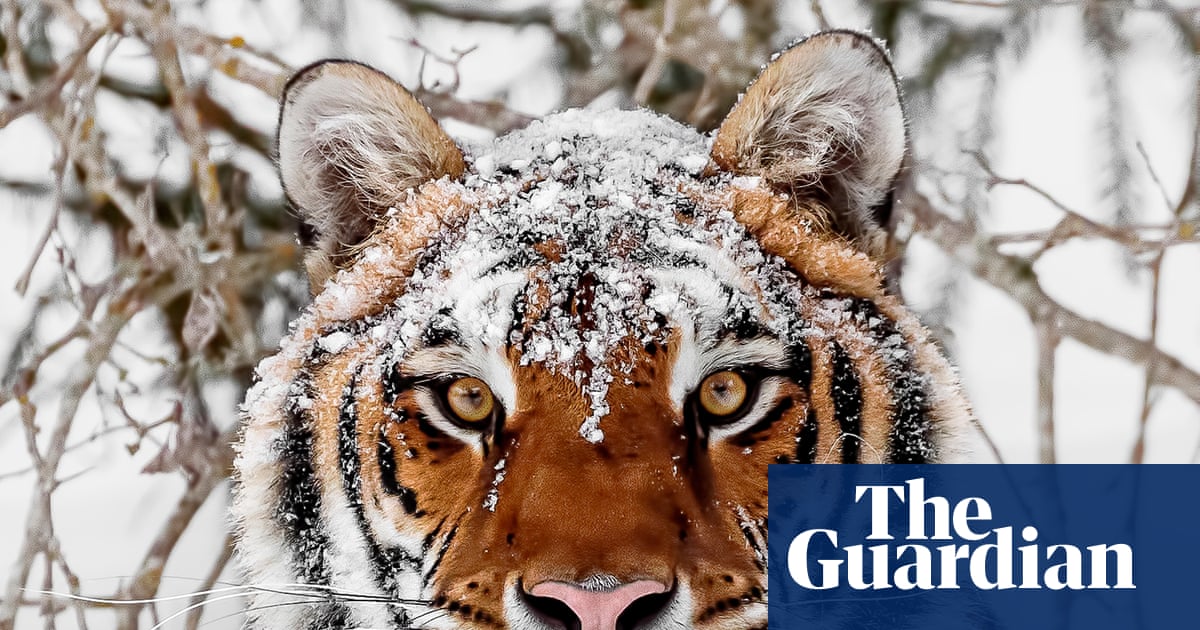
Despite the overarching negative trend, the analysis identifies specific instances where conservation efforts have led to significant recoveries. Wild tiger populations, which numbered around 3,200 in 2010 and were sliding toward extinction, have grown to approximately 5,700. This represents an increase of more than 70 percent following sustained and targeted interventions. Similarly, Atlantic and Pacific bluefin tuna populations, once collapsing due to overfishing, have recovered to levels where they are no longer considered threatened.
Green sea turtles also show signs of recovery after fifty years of coordinated conservation work across about eighty countries. Last year, the species was downlisted from endangered to least concern on the IUCN red list, marking the first time a marine turtle has achieved this status. These examples serve as evidence that reversing nature loss is possible when decisive action is taken.
However, experts warn that conservation alone cannot address the scale of threats facing biodiversity. The report identifies agriculture as the single largest cause of habitat loss and degradation. Agricultural expansion drives nearly 90 percent of deforestation worldwide and contributes significantly to greenhouse gas emissions. This creates a feedback loop where food production harms the very systems it depends on.
The authors argue that transforming energy, food, and finance systems is essential to avoid negative tipping points. These are self-reinforcing ecological changes that could accelerate climate crisis and make recovery impossible. While the energy sector has already passed a positive tipping point with the widespread adoption of renewable energy, the food system remains far from achieving similar progress.
Tanya Steele, chief executive of WWF UK, noted that society is currently paying the rising price of nature loss through risks to food security, water supplies, and resilience to climate shocks. She framed the situation as a choice between continuing to incur these costs or investing in nature’s recovery. The report suggests that creating a sustainable and healthy food system would be the biggest prize for nature recovery, but it remains one of the most difficult challenges to address.
Dr Mike Barrett, chief scientific adviser for WWF UK, emphasized that while the transition to renewable energy is now unstoppable, it is not happening fast enough. He stressed that similar momentum must be generated in agriculture and finance to prevent irreversible damage. The findings underscore the urgency of addressing the root causes of biodiversity loss rather than merely treating symptoms.
As policymakers and organizations review these data, the focus shifts toward identifying practical steps to transform food production. The report calls for a shift away from practices that drive habitat destruction and toward methods that support both human wellbeing and ecological health. Without such changes, the existential threat to economic stability and geopolitical security will likely intensify.
Sources behind this briefing
Go to the original reporting
- The Guardian US↗World must change way it produces food to avoid biodiversity collapse, says WWF