The short version
- A critical vulnerability in PHP, which supports roughly seventy percent of global websites, has triggered millions of exploitation attempts and urgent patching efforts worldwide.
- Government agencies including the US National Security Agency warn that attackers could seize server control or steal data, while some experts argue widespread successful exploitation remains unconfirmed.
- The incident highlights systemic risks for organizations with limited cybersecurity resources, such as schools and charities, and underscores the role of advanced AI in identifying complex software flaws.
A severe security flaw in the PHP programming language has triggered a global scramble to secure web infrastructure, resulting in millions of attempted exploits and widespread temporary shutdowns of government and commercial websites. The vulnerability, identified as PHP2Shell, affects the code base that underpins approximately seventy percent of the internet’s sites. Cybersecurity firms reported a surge in malicious activity immediately following the public disclosure of the issue, with traffic spikes indicating coordinated efforts to breach exposed systems before patches could be applied.
The United States National Security Agency issued urgent warnings regarding the threat, stating that the defect could enable hostile actors to take control of web servers, exfiltrate sensitive information, and disrupt essential services. The agency emphasized that the risks are significant enough to demand immediate remediation across all US government departments. In response, numerous official websites were taken offline to facilitate the installation of security updates, with many returning to service shortly after the fixes were deployed.
The scale of the attack attempts has been substantial. Cloudflare, a major internet infrastructure provider, observed tens of thousands of exploitation tries within forty-five minutes of the announcement. This figure climbed to hundreds of thousands within two hours and reached millions by the following day. Amazon Threat Intelligence noted that the vulnerability was already being broadly exploited in the wild, with multiple actors testing various methods to capitalize on the weakness prior to the release of the official patch by PHP developers.
Despite the volume of attempts, there is disagreement among experts regarding the extent of successful breaches. Ryan Austin, a researcher at Calif who played a key role in discovering the flaw, suggested that widespread exploitation has not yet taken off. Conversely, Ciaran Martin, former head of the UK’s National Cyber Security Centre, described the issue as exceptionally serious, calling it the most significant vulnerability found in five years. The discrepancy highlights the difficulty in distinguishing between attempted attacks and successful intrusions in real-time.
The technical nature of the flaw involves a complex chain of steps that had remained dormant for decades. Research organization Wiz explained that while the underlying defects were long-standing, demonstrating their exploitability previously required efforts at the edge of human capability. The emergence of frontier AI models significantly lowered this barrier, transforming a theoretical risk into a practical threat. This development marks a shift in how software vulnerabilities are identified and weaponized, raising concerns about future security challenges.
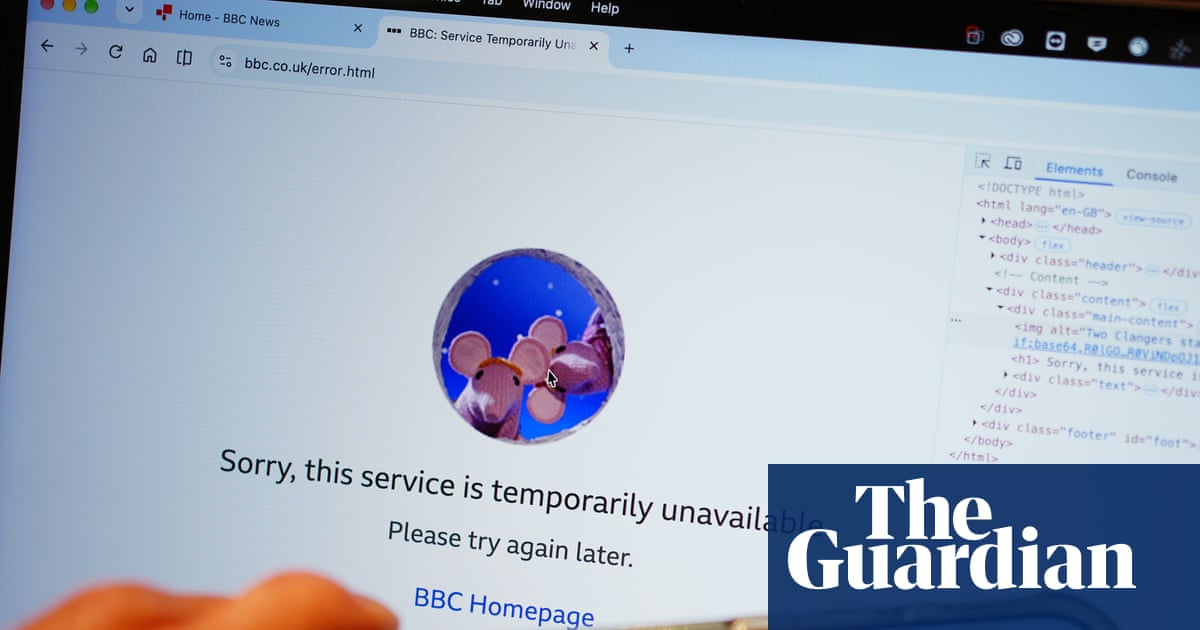
The impact extends beyond large corporations to smaller entities with limited technical resources. Schools, local governments, and charities face particular vulnerability because they may lack dedicated cybersecurity teams to execute rapid fixes. The BBC’s website for the show Traitors was among those taken down, illustrating how even well-resourced organizations must prioritize patching. Experts warn that many sites might remain compromised without their owners’ knowledge, as attackers could nest within exposed infrastructure to use computing power or IP addresses for illicit activities.
International responses have been swift and coordinated. South Korea activated emergency response measures and raised its private sector cybersecurity alert level, issuing guidance to tens of thousands of companies. China’s industry ministry urged organizations to inspect systems, upgrade PHP versions, and strengthen monitoring protocols. Japan’s prime minister encouraged businesses to patch the vulnerability or shut down their sites entirely if necessary. These actions reflect a global recognition of the systemic risk posed by the flaw.
The incident underscores the fragility of web infrastructure reliant on widely used software components. As organizations work to secure their systems, the focus remains on preventing data theft and service disruption. The role of AI in uncovering such deep-seated vulnerabilities suggests that future security strategies must account for automated threat detection and rapid response capabilities. Until all systems are patched, the risk of further exploitation remains high.
Looking ahead, cybersecurity professionals advise continuous monitoring for signs of compromise, even after patching. The PHP2Shell vulnerability serves as a reminder that legacy code can harbor significant risks when new tools make exploitation feasible. Organizations are urged to maintain updated software and robust security practices to mitigate similar threats in the future. The situation remains fluid as experts assess the full scope of any successful intrusions.
Sources behind this briefing
Go to the original reporting
- The Guardian US↗Websites across world hit by millions of attempts to exploit PHP code flaw