The short version
- Artificial intelligence tools identified severe security flaws in PHP, a language used by approximately seventy percent of websites worldwide.
- Federal agencies and international governments issued urgent warnings, with some taking services offline to prevent remote code execution attacks.
- Security firms report millions of exploitation attempts have already occurred since the vulnerability was disclosed late Wednesday.
A significant cybersecurity crisis unfolded across global digital infrastructure this week after artificial intelligence systems identified critical vulnerabilities in PHP, a foundational programming language. The discovery triggered an immediate and widespread response from governments, corporations, and security agencies working to patch systems before malicious actors could exploit the flaws. Because PHP powers roughly seventy percent of websites globally, the potential impact extends far beyond individual platforms, threatening the stability of essential online services.
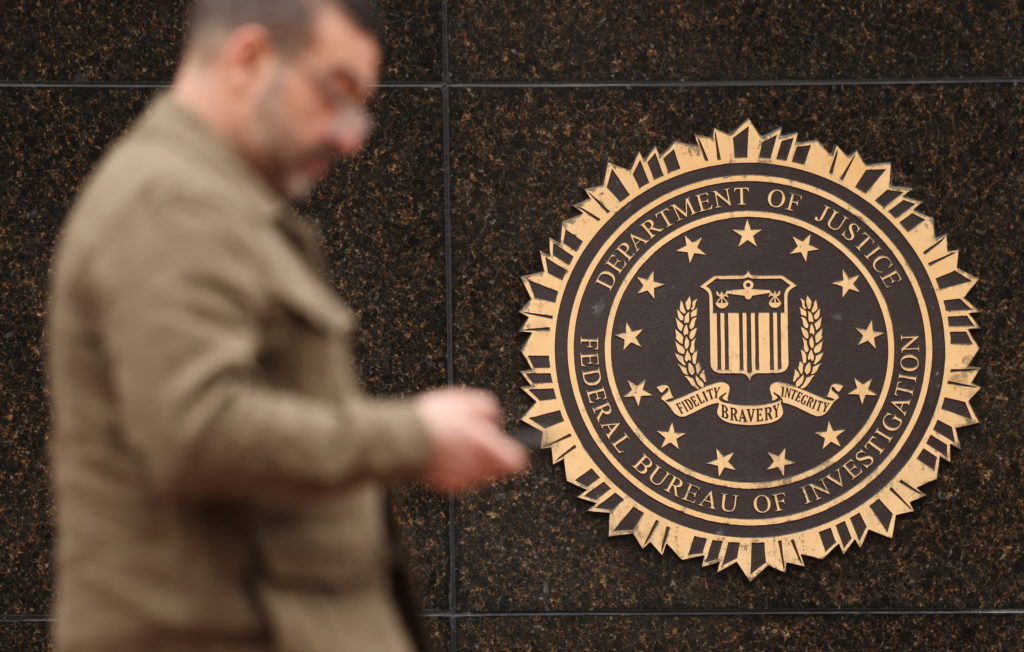
The Federal Bureau of Investigation issued a stark warning on Wednesday regarding the severity of the threat. The agency’s cyber division noted that the vulnerabilities allow attackers to remotely execute code within PHP environments. This capability poses a direct risk to sensitive data and network integrity. In response, the FBI advised operators to take websites offline if immediate updates were not feasible, prioritizing containment over availability in high-risk scenarios.
OpenAI, which led a coalition of researchers and security providers in uncovering the issues, described the flaws as among the most impactful security incidents in recent memory. The organization stated that AI agents appeared to identify these vulnerabilities before any malicious actors had discovered them. This proactive discovery highlights a shifting dynamic in cybersecurity, where automated tools are increasingly used to find weaknesses before they can be weaponized.
Despite the rapid release of fixes by the PHP Foundation late Wednesday, exploitation attempts surged almost immediately. Matthew Prince, chief executive officer of Cloudflare, reported that millions of attempts to exploit the vulnerability occurred within hours of the announcement. This volume of traffic underscores the speed at which automated attack systems operate and the narrow window available for administrators to secure their infrastructure.
International governments moved quickly to mitigate risks, with varying degrees of service disruption. In Japan, Prime Minister Sanae Takaichi advised website administrators to verify their use of PHP and install patches immediately. She suggested that temporarily suspending websites could be an effective risk-reduction strategy if patching was difficult. Chief Cabinet Secretary Minoru Kihara confirmed that while no damage from cyberattacks had been reported, parts of some government websites were taken offline as a precautionary measure.
In the United Kingdom, the prime minister’s office indicated that work was underway to identify and fix potential exposures across government systems. A spokeswoman noted that while no large public-facing critical services were affected, some limited services might remain temporarily offline during the security exercise. The UK government emphasized close collaboration with OpenAI and international partners to address the issue comprehensively.
Finland reported that disruptions to its government website had been largely resolved, though some content remained missing as restoration efforts continued. Meanwhile, in Japan, Osaka prefecture experienced a system failure affecting its machine translation services. These localized outages illustrate the practical challenges of patching complex systems under pressure, even when no active breach has occurred.
The European Union’s cybersecurity agency, ENISA, urged organizations to take immediate action to address the vulnerabilities. The coordinated global response reflects the interconnected nature of modern web infrastructure and the shared responsibility for maintaining security standards. As patches are deployed, the focus shifts from emergency containment to long-term resilience against similar AI-discovered threats.
This incident marks a pivotal moment in the relationship between artificial intelligence and cybersecurity. While AI tools helped uncover the flaws before attackers could exploit them, the sheer scale of subsequent exploitation attempts demonstrates the persistent vulnerability of global systems. Organizations must now balance the benefits of rapid technological advancement with the need for robust, proactive security measures.
Looking ahead, the incident may influence how software development and security protocols are structured. The PHP Foundation’s release of fixes and update instructions provides a roadmap for immediate remediation, but the broader implications for AI-driven security research remain to be seen. Governments and corporations will likely face increased scrutiny regarding their ability to respond to such large-scale, rapidly evolving threats.
Sources behind this briefing
Go to the original reporting
- PBS NewsHour↗AI discovered a software vulnerability that could impact 70% of websites worldwide. The rush is on to patch it