The short version
- Major powers including Russia, China, and EU members have recently expanded contacts with the Taliban regime.
- Critics warn that fragmented diplomatic efforts risk legitimizing the government without securing improvements in women's rights.
- Regional security concerns and humanitarian needs are driving a shift away from strict isolation policies.
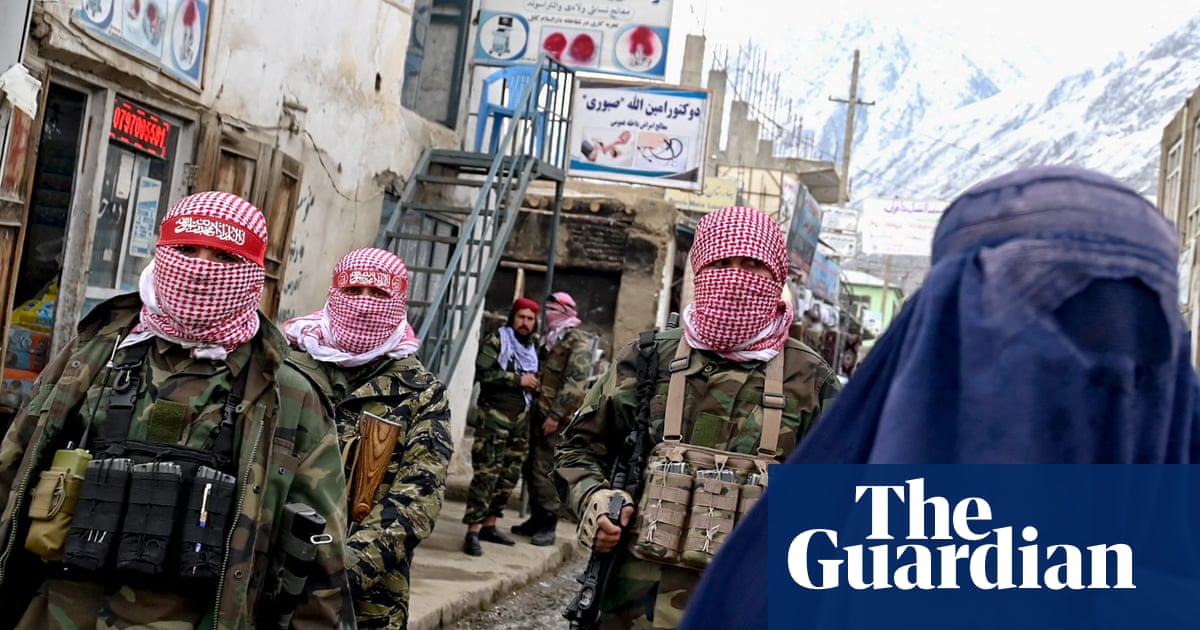
Five years after seizing control of Kabul, the Taliban leadership is actively working to end its international isolation. A growing number of nations are renewing diplomatic channels or scaling up contacts with the hardline regime, despite ongoing systematic human rights abuses. This shift marks a significant departure from the strict policy of non-recognition that characterized the immediate aftermath of the 2021 takeover.
The United Nations has described Afghanistan as a graveyard for human rights, citing a cascade of edicts that ban women from universities and most employment sectors. Teenage girls have been denied education, strict dress codes are enforced, and minorities face persecution. Activists and journalists continue to operate under severe repression, creating a climate where dissent is effectively criminalized.
Despite these conditions, diplomatic engagement is accelerating across multiple regions. India, Qatar, China, Iran, and several Central Asian states have recently welcomed Taliban officials or opened new lines of communication. Russia, which formally recognized the Kabul government just over a year ago, signed a military cooperation agreement last month. These moves suggest a pragmatic acceptance that the current leadership is unlikely to be displaced in the foreseeable future.
In Europe, the approach has been more cautious but still evolving. The European Union held talks with Taliban officials in Brussels regarding the return of failed asylum-seekers. While the European Commission characterized these discussions as technical and limited in scope, a Taliban spokesperson framed the visit as a historic step toward regularizing consular relations. Individual European countries have also deepened their own contacts with Kabul, reflecting broader pressure to manage migration flows.
Analysts note that the Taliban view any form of contact as a diplomatic victory. Shivam Shekhawat of the Observer Research Foundation in Delhi observed that the regime has realized its indispensability to regional stability. By engaging with Europe and the United States on specific issues, the Taliban are capitalizing on these interactions to signal legitimacy to their domestic constituency.
Human rights advocates express deep concern that this fragmented approach undermines coherent international pressure. Fereshta Abbasi of Human Rights Watch argues that condemning abuses while simultaneously negotiating immigration deals sends mixed signals. She emphasizes the need for a consistent message that ties diplomatic recognition to tangible progress in women’s rights and general human rights protections.
Regional dynamics are also driving these new connections. Officials from Tajikistan, Turkmenistan, Kyrgyzstan, Uzbekistan, and Kazakhstan have visited Afghan cities to explore trade routes and pipeline deals. These landlocked nations seek access to seaports and third-country markets, viewing the Taliban as necessary partners for economic connectivity despite political reservations.
India has moved to reinforce relationships that were frosty following the fall of Kabul. New Delhi secured a sanctions waiver last year allowing Taliban foreign minister Amir Khan Muttaqi to travel there. In June, India’s UN envoy suggested that the current sanctions regime, including travel bans and asset freezes, must be rethought to reflect the political reality on the ground.
The Taliban have hosted envoys from China, Japan, Turkey, and Saudi Arabia in Kabul, further normalizing their status. Iran’s foreign minister made his first visit to Kabul in nearly a decade last year, highlighting shifting regional alliances. As isolation fragments, the international community faces the challenge of balancing humanitarian aid and security interests against the imperative of holding the regime accountable.
The coming months will likely see continued testing of these new diplomatic channels. Whether engagement leads to concessions on human rights or simply consolidates Taliban power remains uncertain. The lack of a unified strategy risks allowing the regime to exploit divisions among global powers, potentially entrenching repression while gaining incremental legitimacy.
Sources behind this briefing
Go to the original reporting
- The Guardian US↗Concerns grow over increased global ties with Taliban in Afghanistan

