The short version
- A coalition of over 180 international writers has issued a formal demand to the Eritrean government for verified information regarding the status of twelve detained colleagues.
- The letter marks the twenty-fifth anniversary of a state-led suppression of independent journalism that resulted in the indefinite detention of key cultural figures without trial.
- PEN International plans to deliver the statement at the Eritrean embassy in London, emphasizing that withholding such basic information violates international legal standards.
A significant coalition of international literary figures has intensified pressure on the government of Eritrea to provide concrete evidence regarding the whereabouts and health of twelve writers who have been held incommunicado since 2001. The group, which includes Nobel laureates Olga Tokarczuk and J.M. Coetzee alongside other prominent authors such as Colm Tóibín, Elif Shafak, and Isabel Allende, signed a formal letter dated September 18. This date was chosen to mark the twenty-fifth anniversary of a decisive government crackdown that effectively dismantled the nation’s independent press and silenced critical voices within the country.
The correspondence is addressed directly to President Isaias Afwerki, who has led Eritrea since its independence in 1993. The nation has operated as a repressive dictatorship during this period, with no national elections held throughout Afwerki’s tenure. The signatories argue that the systematic crushing of free expression within days of the initial crackdown has had lasting consequences for the country’s cultural and intellectual landscape. They contend that the state’s refusal to engage with these concerns represents a broader pattern of authoritarian control rather than an isolated incident from two decades ago.
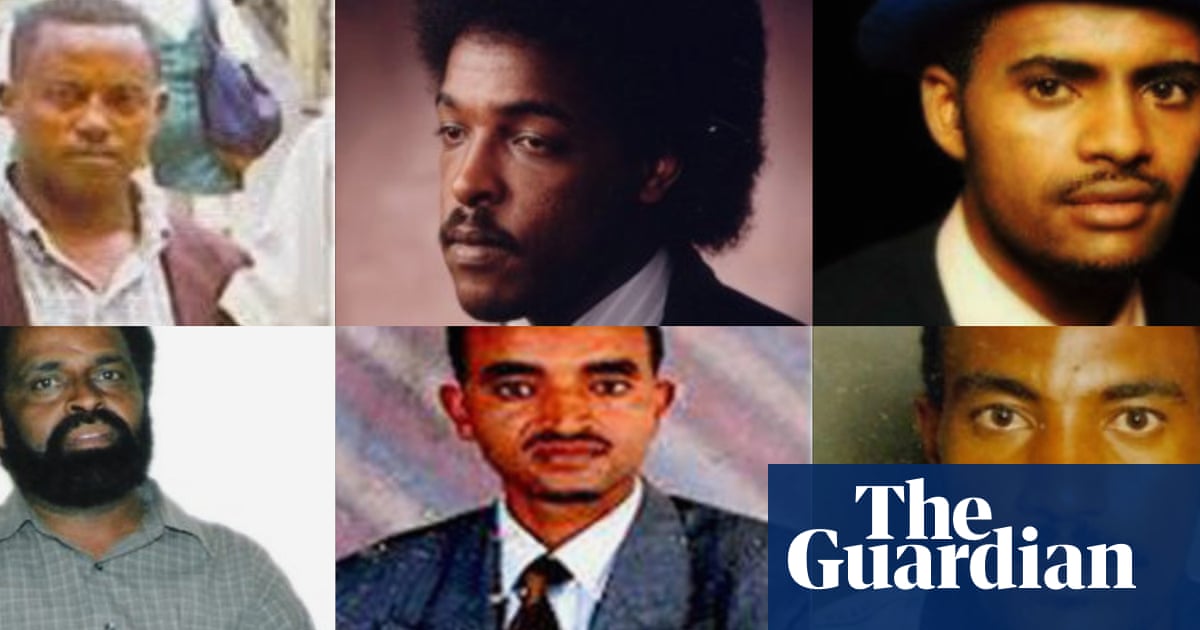
At the center of this renewed campaign are twelve specific individuals who have vanished from public view since their arrests in 2001. The list includes poet Amanuel Asrat and playwright-journalist Dawit Isaak, both of whom have become symbols of the regime’s suppression of dissent. Other named detainees include Dawit Habtemichael, Fessehaye “Joshua” Yohannes, Mattewos Habteab, Medhanie Haile, Sahle “Wedi-ltay” Tsegazeab, Said Abdelkadir, Said Idris “Abu Are”, Seyoum Tsehaye, Temesgen Ghebreyesus, and Yousif Mohammed Ali. Six of these writers were previously profiled in media reports in 2015, highlighting their contributions to Eritrean literature and journalism before their disappearance.
The letter explicitly frames the lack of information as a violation of international law. The authors state that withholding details about the health, location, and survival of these detainees constitutes an act of cruelty against both the prisoners and their families. They emphasize that twenty-five years is an unsustainable duration for relatives to live without knowing whether their loved ones are still alive. This perspective is supported by PEN International, which has launched a public petition earlier this year echoing the same demands for transparency and accountability.
Burhan Sönmez, president of PEN International, described the situation as unbearable for the families involved. He noted that while these writers have not disappeared from collective memory, their physical absence remains a profound injustice. The organization plans to attempt delivery of the letter at the Eritrean embassy in London on Friday morning. This action is part of a broader strategy to keep the issue visible on the global stage and to challenge the government’s policy of silence regarding political prisoners.
The signatories argue that Eritrea’s future development depends on engaging with its brightest minds rather than suppressing them. They assert that no writer or journalist should face disappearance for peacefully expressing their views. The letter concludes with a pledge of continued solidarity, stating that efforts to secure the release of these detainees will not cease until they are free. This stance reflects a long-term commitment by the global literary community to address human rights abuses in one of Africa’s most closed societies.
The campaign highlights the intersection of artistic freedom and political repression in Eritrea. By uniting writers from diverse backgrounds and regions, the coalition seeks to leverage international prestige to draw attention to a situation that has received limited scrutiny in recent years. The involvement of high-profile figures like Tokarczuk and Coetzee underscores the severity with which the literary world views these indefinite detentions. Their participation signals that this is not merely a local issue but a matter of global concern regarding fundamental human rights.
Despite the renewed calls for action, the Eritrean government has maintained its silence. There has been no official response to previous inquiries or demands for information. The lack of transparency continues to fuel speculation and anxiety among families and advocates. As the twenty-fifth anniversary passes, the question remains whether international pressure can penetrate the isolation imposed by Afwerki’s administration. The outcome of this campaign may depend on sustained diplomatic engagement and continued public awareness efforts.
The situation in Eritrea serves as a stark reminder of the vulnerabilities faced by journalists and writers in authoritarian regimes. The indefinite detention of these twelve individuals without trial or public acknowledgment represents a severe breach of legal norms. The global literary community’s response demonstrates a willingness to confront such abuses through coordinated action. Whether this approach will yield tangible results remains uncertain, but the commitment to seeking truth and justice is clear.
As PEN International prepares to deliver the letter in London, the focus remains on securing verified proof of life for all arbitrarily detained writers. The campaign aims to break the cycle of silence that has persisted for a quarter-century. By speaking the names of the missing and demanding accountability, the signatories hope to ensure that these individuals are not forgotten. Their efforts reflect a broader struggle for freedom of expression and human dignity in one of the world’s most repressive states.
Sources behind this briefing
Go to the original reporting
- The Guardian World↗‘We demand the truth’: Olga Tokarczuk and JM Coetzee lead calls for proof of life of disappeared Eritrean writers

