The short version
- Fossil fuel emissions fell by approximately 0.4 percent in 2026, marking a rare annual decrease after years of steady growth.
- The decline was primarily driven by a sharp drop in oil consumption due to price spikes linked to the war in Iran, not reduced overall energy demand.
- Clean energy technologies offset most new emissions from economic growth, but researchers warn that global emissions are likely to rise again once oil prices stabilize.
Global fossil fuel carbon emissions experienced a slight decline in 2026, bucking the long-standing trend of annual increases. According to a new analysis led by Corinne Le Quéré at the University of East Anglia, total emissions fell by approximately 0.4 percent compared to the previous year. This marks the first time since the widespread disruptions of the 2020 pandemic that global emissions have dropped on an annual basis. However, researchers caution that this decrease is likely a temporary fluctuation rather than evidence of a sustained turning point in the fight against climate change.
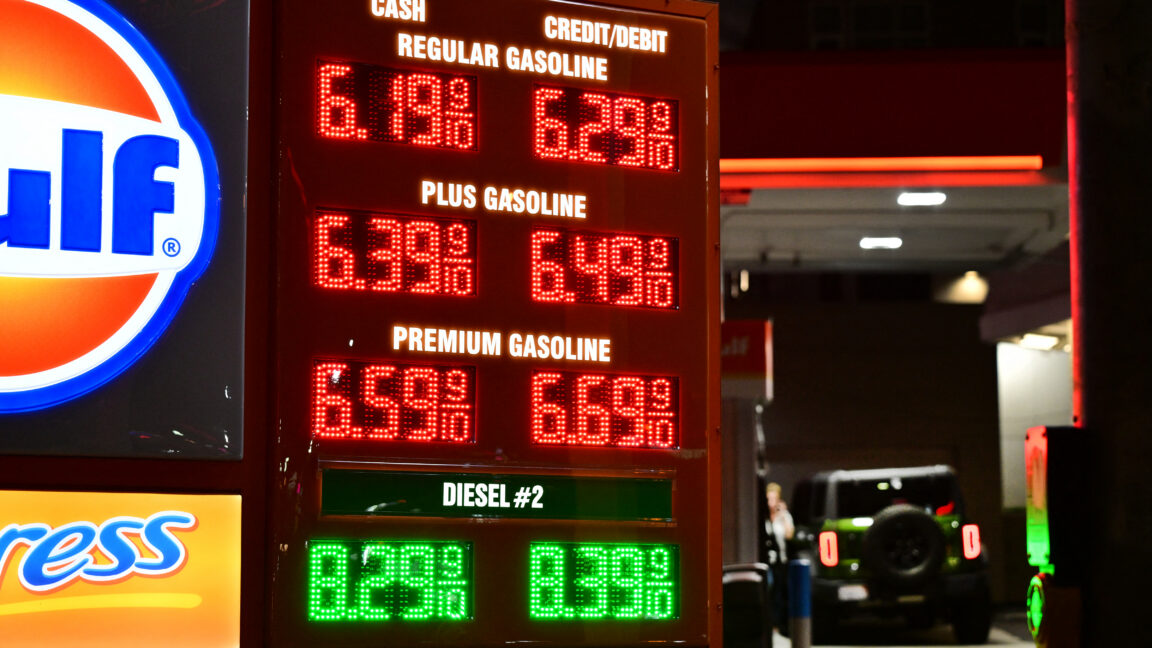
The primary driver behind this year’s reduction appears to be economic pressure rather than a fundamental shift in energy consumption patterns. The analysis points to the ongoing war in Iran as a key factor, noting that the conflict has significantly driven up oil prices. High costs have led to a 1.9 percent drop in emissions from oil use. In contrast, emissions from natural gas fell by a smaller margin of 0.3 percent, while coal emissions actually rose by 0.6 percent. This mix suggests that the decline is specific to liquid fuels and their market volatility rather than a broad-based reduction across all fossil fuel sectors.
Unlike the dramatic drop seen during the global health crisis, energy demand itself did not decrease in 2026. Instead, overall demand for energy continued to grow. The divergence between rising demand and falling emissions is largely explained by the rapid expansion of clean energy infrastructure. Additions of electric vehicles, solar power, and wind generation accounted for nearly 70 percent of the new energy demand growth. This transition helped decouple economic activity from carbon output, preventing emissions from rising in tandem with increased consumption.
Despite the significant role of renewable energy, it did not fully offset the impact of fossil fuel use. Electric vehicles alone contributed to only about 20 percent of the decline in oil-related emissions. The remaining reduction is attributed directly to consumers and industries cutting back on oil usage due to prohibitive prices. This distinction is crucial for understanding the nature of the dip; it reflects a market correction driven by cost rather than a voluntary or policy-driven shift away from carbon-intensive fuels.
To understand the broader context, researchers often analyze emissions in relation to economic output. By examining gross domestic product alongside energy intensity and carbon intensity per unit of energy, analysts can determine how efficiently economies are growing. Between 2019 and 2025, fifty-nine countries managed to reduce their emissions even as their economies expanded. Globally, however, emissions still rose by an average of 0.8 percent per year during that period.
The data suggests that without the growth in electric vehicles and renewable energy sources, global emissions would have increased at a much faster rate. Researchers estimate that annual growth would have reached 1.9 percent if clean technology deployment had not accelerated. This highlights the critical role that green infrastructure plays in mitigating climate impact, even when it has not yet been sufficient to achieve net-zero growth on its own.
Looking ahead, projections based on International Monetary Fund forecasts for global GDP through 2028 indicate that emissions are likely to resume their upward trajectory. The current dip is viewed as an anomaly caused by external shocks to the oil market. Without the price spike associated with the conflict in Iran, emissions would have continued to rise in 2026 as well. This suggests that the underlying trend of increasing carbon output remains intact despite the temporary pause.
While the world may be approaching a peak in global emissions, researchers argue that this milestone has not yet been reached. The acceleration of clean technology is offsetting a majority of new emissions, but not all of them. A sustained decline would require further increases in the deployment of renewable energy and electric transportation. If these trends can be supported over time, a permanent peak and subsequent reduction in global carbon dioxide emissions could occur within the next few years.
The findings underscore the complexity of tracking climate progress on an annual basis. Natural variability and geopolitical events can obscure long-term trends, making it essential to look at multi-year data rather than single-year fluctuations. While the 2026 decline offers a momentary reprieve in emission statistics, it does not signal that the urgent work of transitioning away from fossil fuels is complete. The structural drivers of climate change remain largely unchanged.
This analysis contributes to the ongoing efforts of the Global Carbon Project, which compiles data on fossil fuel use and deforestation to monitor global carbon emissions. By breaking down contributions by country and sector, the project provides a detailed picture of where emissions are rising or falling. The 2026 report serves as a reminder that while technological progress is real, it must be matched with policy and market stability to ensure lasting reductions in greenhouse gas output.
Sources behind this briefing
Go to the original reporting
- Ars Technica↗High oil prices have led to a dip in global carbon emissions
