The short version
- Preparatory reports for the upcoming biodiversity conference indicate that no target shows fully positive progress, with most indicators rated as critical or at risk.
- The withdrawal of substantial United States funding under the current administration has severely impacted conservation initiatives across Africa and the Pacific.
- While some regions like Kazakhstan have made strides in rewilding, political polarization in Europe and a shift toward unilateralism globally hinder collective action.
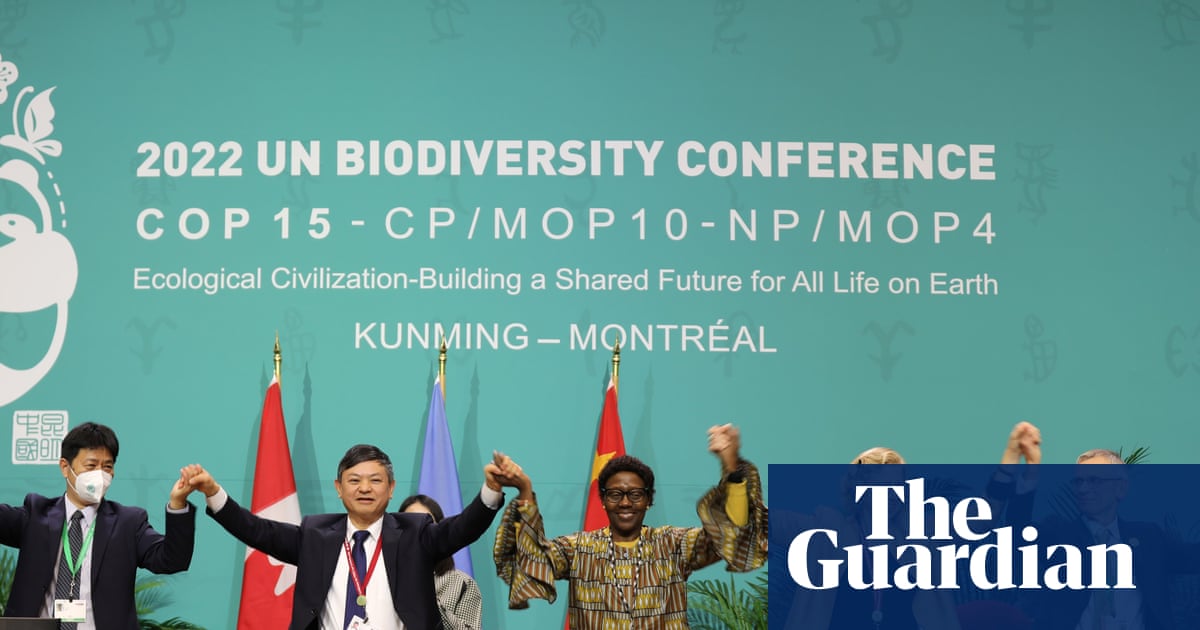
The international community is preparing to convene in Yerevan, Armenia, for the seventeenth Conference of the Parties on biodiversity, but expectations for meaningful progress have dimmed considerably. Four years after governments celebrated a landmark agreement in Montreal to halt ecosystem destruction by 2030, the outlook remains bleak. The summit aims to assess how well nations are adhering to the twenty-three-point plan adopted in December 2022, yet preliminary evaluations suggest that collective efforts are falling drastically short of established benchmarks.
The original accord, which garnered support from nearly every nation except the United States and the Vatican, set ambitious goals including protecting thirty percent of terrestrial and marine areas and restoring degraded ecosystems. It also committed to redirecting five hundred billion dollars in environmentally harmful subsidies. While scientists noted that the plan was imperfect and did not fully align with ecological needs, it represented a serious attempt to address the root causes of mass species loss. The optimism that followed the post-pandemic diplomatic breakthrough has since evaporated as implementation stalled.
Official preparatory documents for the upcoming conference paint a stark picture of failure. Governments have acknowledged that they are way off track from meeting any of the agreed-upon targets. A traffic-light rating system used to evaluate national actions is dominated by yellow, orange, and red indicators, signaling widespread delays and insufficient measures. The pre-conference report warns that without rapid acceleration in implementation, the 2030 mission will not be achieved, thereby jeopardizing the longer-term vision of living in harmony with nature by 2050.
Several factors have contributed to this stagnation. In some regions, political resistance has undermined environmental legislation. The European Union’s attempt to enact a nature restoration law, for instance, quickly became entangled in cultural and political disputes, limiting its effectiveness. Meanwhile, the return of Donald Trump to the White House has proven catastrophic for global conservation efforts. His administration’s clampdown on climate initiatives and policies labeled as “woke” has led to a sharp reduction in American financial support for biodiversity projects.
The United States previously provided an average of 12.1 percent of global biodiversity funding between 2015 and 2022, according to data from the Organisation for Economic Co-operation and Development. This financial backing supported critical initiatives ranging from anti-poaching campaigns in East Africa to efforts combating illegal fishing in the Galápagos Islands. The sudden withdrawal of these resources has left many conservation programs vulnerable and underfunded, exacerbating existing challenges in protecting endangered species and habitats.
Despite these setbacks, there are isolated examples of progress. Kazakhstan, for example, has utilized the framework of the global agreement to drive a major rewilding effort, successfully bringing back the Caspian tiger. However, such successes remain the exception rather than the rule. The broader trend is one of disengagement and neglect, with more than half of countries reportedly ignoring their biodiversity pledges. This disconnect between diplomatic promises and on-the-ground action highlights a fundamental flaw in current international environmental governance.
The erosion of multilateral cooperation has further complicated matters. Power dynamics have shifted away from traditional institutions like the United Nations toward tech billionaires and AI architects, who wield significant influence over policy directions. The current political climate favors might-is-right approaches that dismiss the need for international collaboration. This shift undermines the collective action required to make agreements like the Montreal deal a reality, leaving smaller nations and vulnerable ecosystems without adequate support.
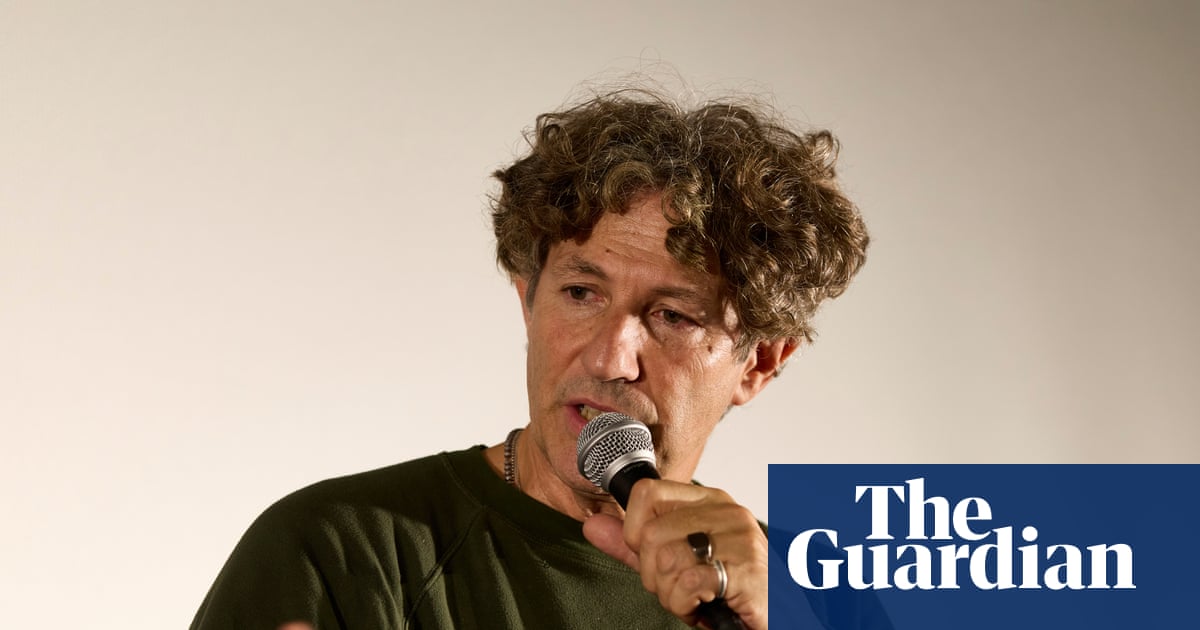
As delegates gather in Armenia, the focus will likely turn to assessing the damage of the past four years and determining how to rebuild momentum. Zac Goldsmith, who served as UK environment minister during the 2022 summit, noted the massive gap between agreeing to take action and actually doing so. The upcoming conference may serve as a moment where the calamity of recent inaction crystallizes, forcing governments to confront the reality that their current trajectories are unsustainable.
The stakes extend beyond environmental metrics; they touch on global stability and human well-being. Biodiversity loss is not merely an ecological issue but a threat to food security, health, and economic resilience. As the world faces compounding crises including climate change and geopolitical instability, the failure to protect nature could have far-reaching consequences. The coming days in Yerevan will test whether nations can bridge the implementation gap or if the 2030 targets will become another unfulfilled promise.
Looking ahead, the path forward remains uncertain. While some experts argue that urgent attention to existing gaps and barriers is still possible, others fear that the window for meaningful action is closing. The success of future conservation efforts will depend on renewed political will, increased funding, and stronger international cooperation. Until then, the world risks continuing down a path of ecological degradation, with profound implications for generations to come.
Sources behind this briefing
Go to the original reporting
- The Guardian US↗Four years after the promises of Cop15, our biodiversity targets are slipping away