The short version
- A glacier collapse triggered massive floods in Nepal and Tibet, resulting in at least 360 confirmed deaths and over 1,300 missing persons.
- Emergency responders are prioritizing medical supplies and food for isolated communities while scientists analyze satellite data to understand the event's mechanics.
- Experts link the disaster to rapid regional warming, urging improved early-warning systems and adaptation strategies for vulnerable mountain populations.
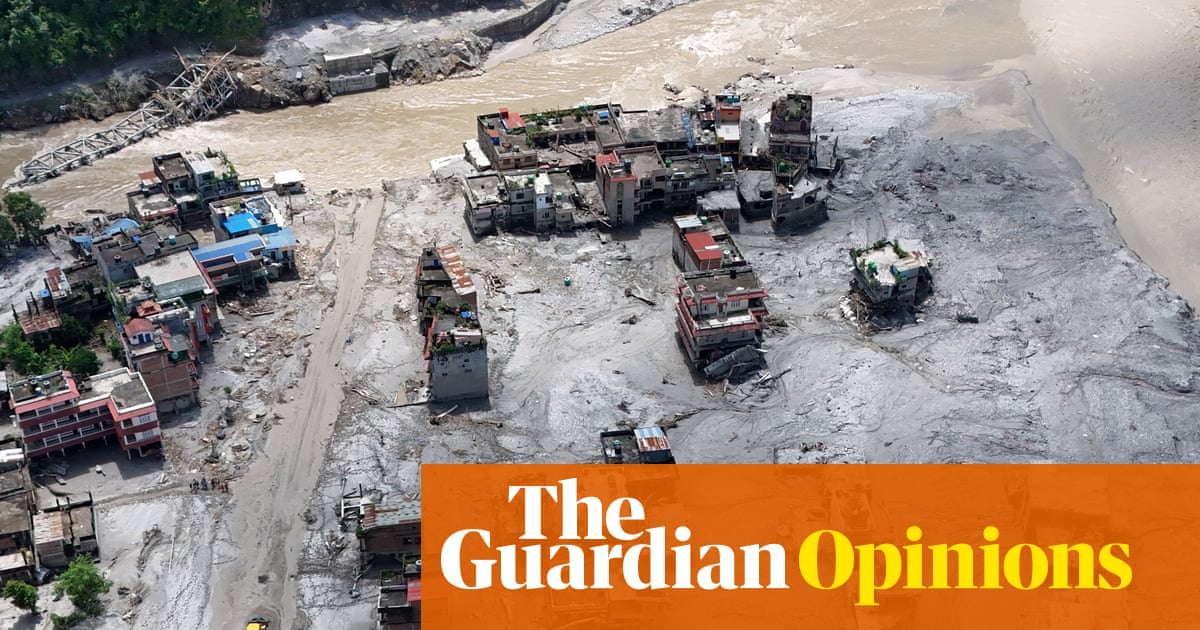
A catastrophic natural disaster has struck the Himalayan region, causing widespread devastation in parts of Nepal and Tibet. The event began with the collapse of a glacier, which triggered a massive ice-rock avalanche that surged down steep valleys. This initial geological failure generated powerful brown torrents that swept through communities, destroying infrastructure and displacing residents. The sheer force of the water and debris has left a trail of destruction that is only now being fully assessed by emergency crews and satellite analysts.
The human toll remains severe and uncertain. Authorities have confirmed at least 360 deaths, but more than 1,300 people are still missing as search and rescue operations continue in difficult terrain. Many of the hardest-hit areas remain cut off from road access, requiring helicopter support for relief efforts. The uncertainty surrounding the final death toll and the extent of property damage is compounded by the remote nature of the affected zones. Survivors have described terrifying escapes and significant personal losses, drawing comparisons to other major historical disasters in terms of the shock and scale of the event.
Immediate humanitarian needs are critical. Medical supplies, food, clean water, and sanitation facilities are urgently required for displaced populations. Electricity grids have been disrupted, leaving communities without power during a time when they need it most for communication and basic living conditions. International aid organizations and foreign governments have pledged support for locally led relief efforts, particularly after reports indicated that many of the missing individuals were tourists or pilgrims visiting the region. Swift delivery of these essentials is necessary to prevent further loss of life and to begin the long process of recovery.
Scientific investigation into the cause of the disaster is underway. Initial reports suggesting an earthquake had triggered the event have been discounted. Instead, seismic activity recorded during the incident is attributed to the impact of the glacier collapse itself. Satellite imagery of the glacier and affected river systems is being used by researchers to reconstruct the sequence of events. While the precise mechanics linking the ice failure to the subsequent flash floods are still being confirmed, the visual evidence shows a powerful surge that overwhelmed natural and built barriers in its path.
The vulnerability of specific demographic groups has become a major concern. Women and children who have been displaced from their homes face heightened risks, including exposure to disease and potential trafficking. The disruption of social structures and the lack of secure shelter create conditions that can exploit those already traumatized by the disaster. Aid agencies are working to ensure that relief efforts address these specific vulnerabilities, providing safe spaces and targeted support for at-risk populations in the aftermath of the floods.
Broader environmental factors are likely contributing to the instability in the region. While tectonic movement naturally alters glacier shapes over time, multiple glaciologists and earth scientists point to global heating as a crucial destabilizing factor. The Himalayas are warming at twice the rate of the global average, a trend that is well-documented by climate researchers. This rapid temperature increase is altering mountain environments worldwide, making them more prone to avalanches, landslides, and floods. The Intergovernmental Panel on Climate Change has previously highlighted these risks, noting that retreating glaciers also threaten freshwater supplies for millions of people.
The implications of this disaster extend beyond the immediate humanitarian crisis. It serves as a stark reminder of how human activity is impacting geological stability in mountainous regions. While many accept the role of greenhouse gas emissions in altering the atmosphere, the effect on mountain geology is a less familiar but equally serious consequence. As mountains become more dangerous due to climate change, the need for robust mitigation strategies becomes clearer. Transitioning away from fossil fuels remains essential to address the root causes of global heating.
Adaptation and resilience measures are now seen as vital for protecting communities in exposed locations. Early-warning systems must be strengthened to provide timely alerts for potential floods and landslides. Disaster preparedness should be prioritized at national levels and within international aid budgets, ensuring that agencies are better equipped to respond to such events. Governments are urged to support the people of Nepal and Tibet not only in their current recovery but also in building long-term resilience against future climate-linked disasters.
Looking ahead, the focus must shift from immediate relief to long-term planning. The reality of increasing risks from shrinking glaciers must be faced directly. Communities in the Himalayas and other vulnerable regions need sustained support to adapt to a changing environment. This includes investing in infrastructure that can withstand extreme weather events and developing policies that prioritize safety and sustainability. The lessons from this tragedy should inform global efforts to prepare for more frequent and severe climate-related disasters in the coming years.
The international community is called upon to rally around the affected populations. Support must be swift, coordinated, and respectful of local leadership. As survivors begin to rebuild their lives, the world must recognize the interconnected nature of climate risks. The disaster in Nepal and Tibet is not an isolated incident but part of a broader pattern of environmental change that requires urgent attention. By addressing both mitigation and adaptation, societies can better protect themselves against the growing threats posed by a warming planet.
Sources behind this briefing
Go to the original reporting
- The Guardian US↗The Guardian view on the Nepal-Tibet floods: prepare for more climate-linked disasters | Editorial

