The short version
- A glacial collapse triggered catastrophic flooding along the Nepal-Tibet border, resulting in at least 270 confirmed deaths and approximately 1,500 missing persons.
- British authorities have identified at least 33 UK citizens among the missing, with tour operators confirming unaccounted travelers from multiple groups.
- The UK government has pledged financial aid and consular support while rescue teams struggle to access remote mountainous regions devastated by debris flows.
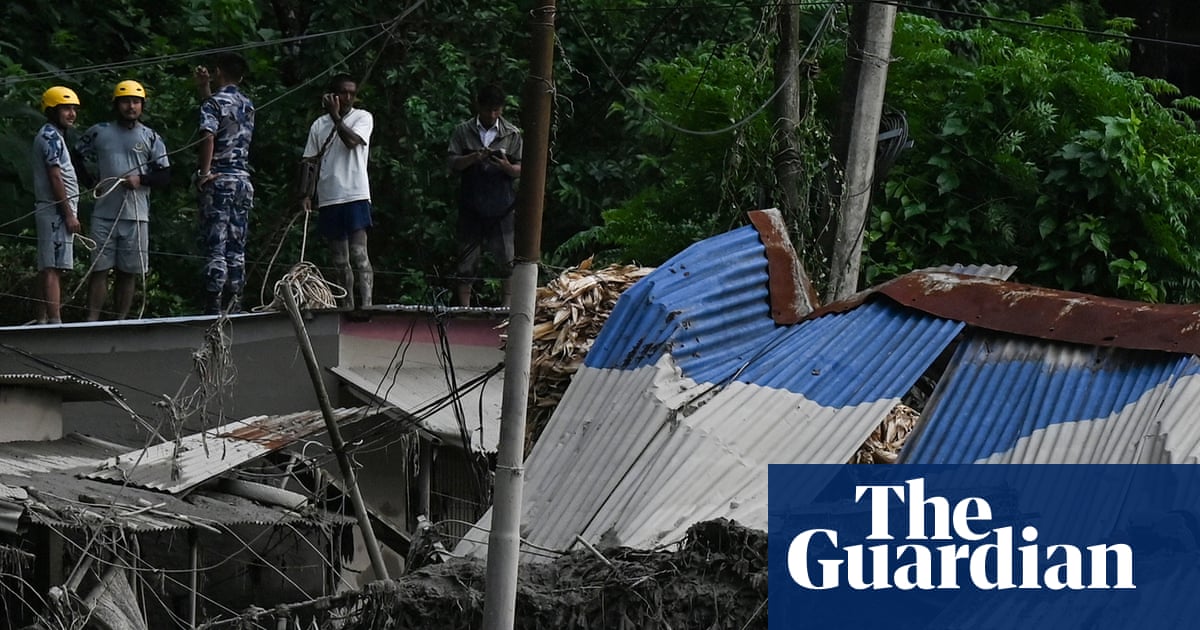
Catastrophic flooding along the border between Nepal and China’s Tibet region has resulted in a major humanitarian crisis, with authorities reporting at least 270 deaths and approximately 1,500 people missing. The disaster was triggered by the sudden collapse of a glacier, an event that released massive volumes of water and debris into valleys below, wiping out entire communities. Rescue teams are currently searching through rugged terrain to locate survivors and recover victims in what officials describe as one of the most severe disasters to strike Nepal since the 2015 earthquake.
The scale of the destruction is difficult to quantify precisely due to the remote nature of the affected areas and the speed at which the waters rose. Bishal Nath Upreti, president of the Nepal Centre for Disaster Management, described the event as a tsunami from the sky, noting that excess water volumes reached twenty cubic meters in some river sections. Villages along a stretch of forty to fifty kilometers were completely obliterated by the force of the floodwaters and accompanying debris flows. The US Geological Survey confirmed that the initial trigger was a glacial disintegration rather than seismic activity, although early reports had briefly suggested an earthquake may have been responsible.
Among those unaccounted for are significant numbers of foreign tourists who were traveling in the region. British authorities have confirmed that at least 33 UK nationals are missing, with several tour operators providing specific details about their clients. Kailash Journeys reported seven British citizens missing, including five women and two men ranging in age from 18 to 55. The Trekkers’ Society indicated that nine British participants on a pilgrimage to Mount Kailash were unaccounted for, comprising four men and five women with ages spanning from 14 to 54.
Alpine Eco Trek also confirmed missing persons among its groups, including a 13-year-old girl and two Irish citizens who were trapped at the border crossing when the floods struck. Their travel logs list ten additional British nationals missing from this group, consisting of three men aged 52 to 65 and seven women aged 44 to 65. These travelers were engaged in a nine-day tour that involved crossing from Nepal into Tibet, placing them directly in the path of the disaster zone when the glacial collapse occurred.
The UK government has mobilized resources to assist with the response effort. Foreign Secretary Ed Miliband and other ministers have emphasized the urgency of the situation, pledging an initial £5 million in support. Consular staff are being deployed to the region to provide round-the-clock assistance to British families affected by the crisis. Officials have acknowledged that the full extent of the disaster is not yet clear, with many more people likely missing than current official figures suggest. Communication challenges and difficult terrain are hindering efforts to establish accurate headcounts.
In Tibet, Chinese state media reported at least three deaths, while Xinhua news agency stated that 558 people were unaccounted for in the region. The disparity in reporting between Nepal and China highlights the complexities of coordinating a cross-border rescue operation. Pat McFadden, a UK government minister, noted that the picture remains fast-moving and incomplete, with no definitive figures available from Chinese authorities regarding the number of missing persons on their side of the border.
Scientists have pointed to broader environmental factors that may have contributed to the vulnerability of the region. While the immediate cause was a glacial collapse, researchers warn that Himalayan glaciers are melting at an accelerating rate due to rising global temperatures and climate change. This trend increases the risk of similar disasters in the future, as unstable ice formations become more prone to sudden failure. The event underscores the growing dangers faced by communities and tourists in high-altitude regions dependent on glacial stability.
Rescue operations are focused on the Rasuwa region, a mountainous area popular with trekkers and pilgrims that borders Tibet. Authorities are urging British nationals currently in Nepal to follow local advice and exercise extreme caution. The Foreign, Commonwealth and Development Office has provided contact numbers for consular assistance, emphasizing the need for families to reach out if they have loved ones in the affected areas. As search teams continue their work, the focus remains on locating survivors and providing support to those grieving significant losses.
The disaster has drawn international attention to the fragility of infrastructure in remote Himalayan regions. With entire villages razed and communication lines disrupted, the immediate priority is life-saving intervention. Long-term recovery will require substantial investment in rebuilding efforts and improved early warning systems for glacial lake outburst floods. The incident serves as a stark reminder of the powerful forces at play in these high-altitude environments and the urgent need for coordinated disaster preparedness across national borders.
As the days pass, the number of confirmed casualties is expected to rise, while the count of missing persons may decrease as rescue teams locate survivors or recover bodies. The emotional toll on families waiting for news is immense, with many facing uncertainty about the fate of their relatives. International aid organizations are beginning to assess needs beyond immediate rescue, including shelter, medical care, and psychological support for survivors. The global community watches closely as Nepal and China navigate this complex humanitarian challenge.
Sources behind this briefing
Go to the original reporting
- The Guardian World↗Search on for at least 33 Britons missing after flash floods in Nepal and Tibet
- NPR↗At least 1,500 missing after deadly Nepal-Tibet floods
- BBC World↗What caused the Nepal-Tibet flash floods?