The short version
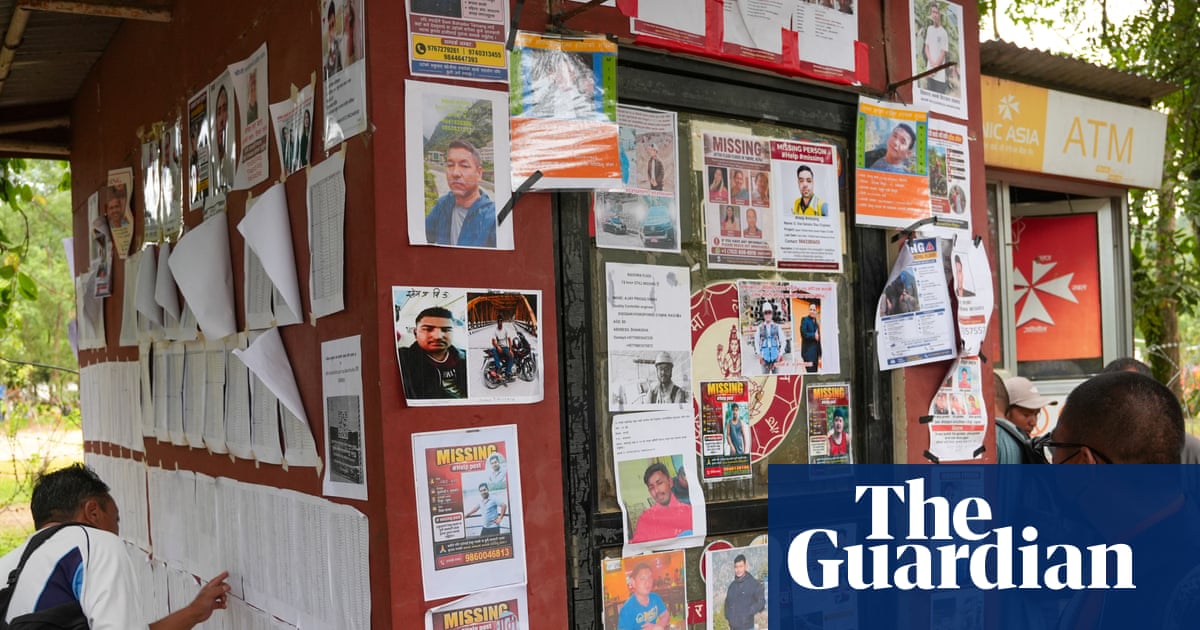
- More than 1,000 people have died and over 4,000 remain missing following flash floods triggered by a glacial collapse in Nepal.
- Rescue operations have saved more than 11,000 individuals, including hundreds of foreign nationals, though efforts are hampered by unstable terrain.
- International assistance is underway, with the UK deploying a rescue team and raising concerns about the safety of dozens of British citizens.
A catastrophic glacial collapse in the Himalayas has unleashed deadly flash floods across Nepal, resulting in at least 1,050 confirmed deaths and leaving more than 4,000 people unaccounted for. The disaster, which began on Wednesday, was triggered by the failure of a glacier so massive that its initial impact registered as a magnitude-4.4 earthquake. This event sent a destructive surge of water, mud, and ice down the Lhende Khola, Bhotekoshi, and Trishuli rivers, devastating communities along the Nepal-Tibet border.
Rescue operations have achieved significant milestones despite the perilous conditions. Nepalese Prime Minister Balendra Shah reported that approximately 11,000 people have been rescued from the affected areas. Among those saved were 330 foreign nationals, according to updates from the Nepalese tourist board. On Tuesday alone, military personnel rescued 119 individuals, including 118 Nepali citizens and one British national who remains unidentified. The UK Foreign Office has acknowledged the rescue but has not yet released further details regarding the man’s identity or condition.
The search for survivors continues to face substantial challenges. Military spokespersons noted that crews are operating in dangerous environments characterized by unstable ground and extensive flood debris. A primary focus of current efforts is locating approximately 600 workers believed to be trapped inside tunnels at several hydropower stations in the region. The army emphasized that massive work is ongoing within these tunnel systems, highlighting the complexity and risk involved in reaching those potentially isolated underground.
International response efforts are intensifying as the scale of the humanitarian crisis becomes clearer. The Red Cross estimates that 93,000 people have been directly affected by the disaster. In response to the growing emergency, a rapid deployment rescue team from the United Kingdom arrived in Nepal on Saturday. This mission is part of a broader £5 million commitment by the British government to support relief and recovery operations, specifically aimed at assisting British nationals and their families during this critical period.
Concerns regarding British citizens remain high. Stewart Wood, a Foreign Office minister, informed the House of Lords that thirty-six British nationals are currently missing in Nepal. This figure represents an increase from previous estimates of 33 missing individuals, underscoring the difficulty in accounting for all travelers in the region. The UK government continues to coordinate with local authorities to locate these individuals and provide necessary consular support.
The disaster has also impacted neighboring regions. Chinese state media reported that 66 people were killed in Tibet as a result of the same flash floods. The cross-border nature of the event highlights the shared vulnerability of Himalayan communities to such geological hazards. Officials from Nepal, China, and Tibet had met in May to discuss strengthening their joint response capabilities for floods, weather events, and glacier-related risks, indicating prior awareness of potential dangers in the region.
Scientific analysis points to climate change as a contributing factor to the instability that led to this disaster. Preliminary satellite imagery confirms that the glacial collapse was the primary cause of the flooding. Experts note that such events are becoming more frequent as rising temperatures affect mountainous and polar regions. The UN’s top scientific advisory body warned in 2023 that previously stable ice-bound landmasses, including permafrost tundra and mountain glaciers, would become increasingly unstable due to global warming.
As rescue teams continue their work, the focus remains on locating the thousands still missing and providing aid to the displaced population. The combination of geological instability, difficult terrain, and the sheer volume of debris makes every rescue operation a high-stakes endeavor. International cooperation and local resilience will be crucial in the coming weeks as Nepal begins the long process of recovery from this devastating event.
Sources behind this briefing
Go to the original reporting
- The Guardian World↗Briton among 119 more people rescued in Nepal after flash floods

