The short version
- Satellite data indicates a glacier collapse caused the deadly flash flood in Nepal and Tibet, rather than an earthquake as initially suspected.
- Unusual heatwaves likely weakened the bonds between ice and rock, contributing to the instability of the Langtang Lirung mountain slope.
- Experts warn that similar geological destabilization poses growing threats to other glacial regions including the Alps, Andes, and Caucasus.
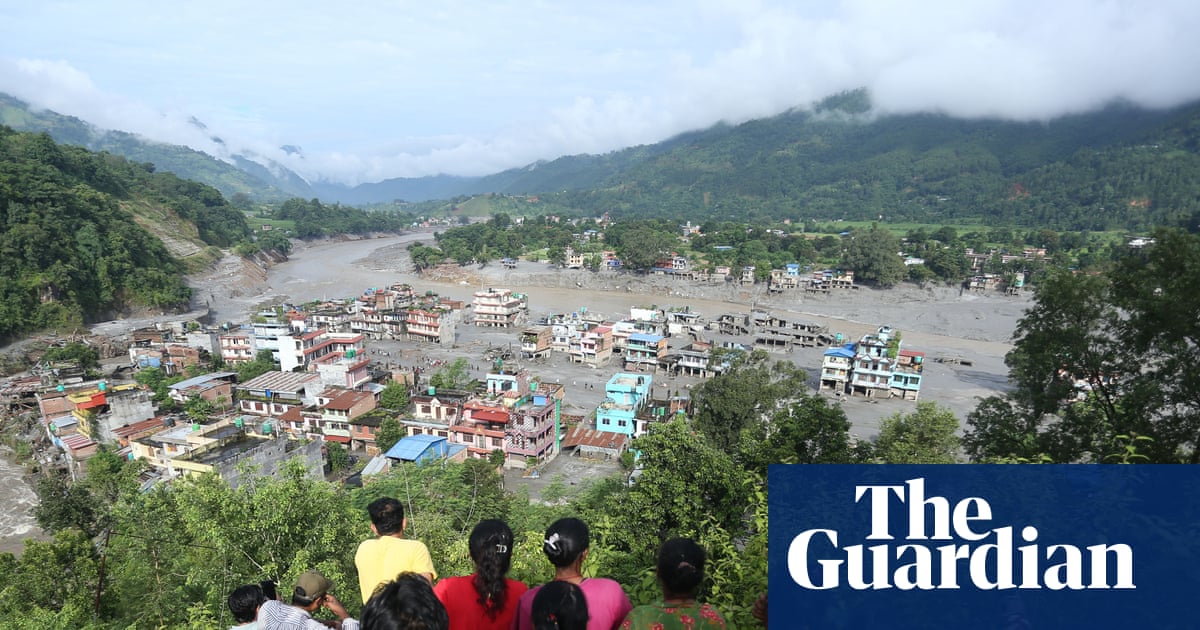
A devastating flash flood swept through border communities in Nepal and Tibet on Wednesday, resulting in at least 360 deaths and leaving approximately 1,400 people missing. The disaster was triggered by a massive collapse of ice and rock from the north slope of Langtang Lirung, a peak standing at 7,000 meters. Satellite imagery confirms that this glacial failure sent a torrent of mud, water, and debris down the Bhotekoshi River, destroying infrastructure and homes in its path.
Initial reports suggested that a magnitude 4.4 earthquake caused the collapse. However, subsequent analysis by the US Geological Survey indicates that the seismic energy was actually generated by the impact of the falling ice wall itself, which registered as a magnitude 5.2 event. The avalanche pushed large boulders and debris into the Lhende Khola River, a tributary of the Bhotekoshi. Water levels in downstream rivers surged by seven to nine meters within just thirty minutes, according to data from the International Centre for Integrated Mountain Development.
Scientists are now examining the specific conditions that led to this catastrophic failure. Dr. Hamish Pritchard, a glaciologist with the British Antarctic Survey, noted that sensors located ten kilometers from the site recorded ground temperatures at their highest point in two days prior to the event. These elevated temperatures likely melted ice that had been binding splintered bedrock together, filling crevasses with water and weakening the structural integrity of the snowpack.
The incident occurred against a backdrop of intense heatwaves affecting the region since early this year. The monsoon season further complicated conditions by saturating soil and swelling rivers. Dr. Richard Waller, a physical geography lecturer at Keele University, described high mountain areas as resembling shattered bedrock held together by ice-filled joints. As permafrost and these icy bonds melt due to atmospheric warming, the potential for catastrophic geological failure increases significantly.
This event underscores broader concerns about the destabilization of mountain and polar regions driven by global heating. The Intergovernmental Panel on Climate Change warned in 2023 that previously ice-bound landmasses would become increasingly unstable as temperatures rise. Every increment of warming is expected to multiply hazards from cryosphere regions, including floods, landslides, and freshwater shortages resulting from glacier retreat.
Alpine and polar regions are warming faster than the global average because the loss of snow and ice reduces surface reflectivity. This causes the land to absorb more solar energy, accelerating the melting of mountain permafrost. In the Langtang catchment area alone, studies show that glacier loss rates have increased more than fourfold since 1964. The region has experienced previous disasters, including a smaller flood in July 2025 and an earthquake-induced avalanche in 2015 that destroyed Langtang village.
The long-term implications extend beyond immediate loss of life. The thaw is altering the landscape’s shape and solidity, creating or expanding glacial meltwater lakes. This poses a serious threat to the origin of many rivers and the drinking water supplies for populations downstream. Hundreds of millions of people in Asia depend on rivers such as the Ganges and Brahmaputra, which originate from these glaciers.
While emergency services continue search and rescue operations, experts are assessing vulnerability in other high-altitude regions. Dr. Waller noted that any area with glaciers and permafrost could be at risk, including the European Alps, Caucasus, Himalayas, and Andes. As glacier weakening accelerates, there is a growing call for increased monitoring and preparedness to mitigate future hazards associated with climate-driven geological instability.
Sources behind this briefing
Go to the original reporting
- The Guardian World↗Climate crisis could be destabilising mountain areas like Nepal, experts warn

