The short version
- German officials formally attribute the August drone incident at Leipzig airport to Russian state actors, marking a significant escalation in bilateral tensions.
- Retaliatory actions include closing the Russian consulate in Bonn, evicting the Russian House from its Berlin premises, and tightening border controls for Russian nationals.
- The government plans to disrupt illegal shipping routes through German waters while supporting broader EU sanctions against thousands of Russian-linked entities.
The German government has formally attributed a failed drone attack at Leipzig/Halle airport to the Russian state, ending weeks of public hesitation and speculation regarding the incident. Interior Minister Alexander Dobrindt and Foreign Minister Johann Wadephul announced that evidence indicates Moscow provided both the technical expertise and equipment for the operation, which was executed by recruited low-level agents. Officials characterized the event as part of a systematic campaign of hybrid warfare designed to destabilize Germany through sabotage, disinformation, and aggression.
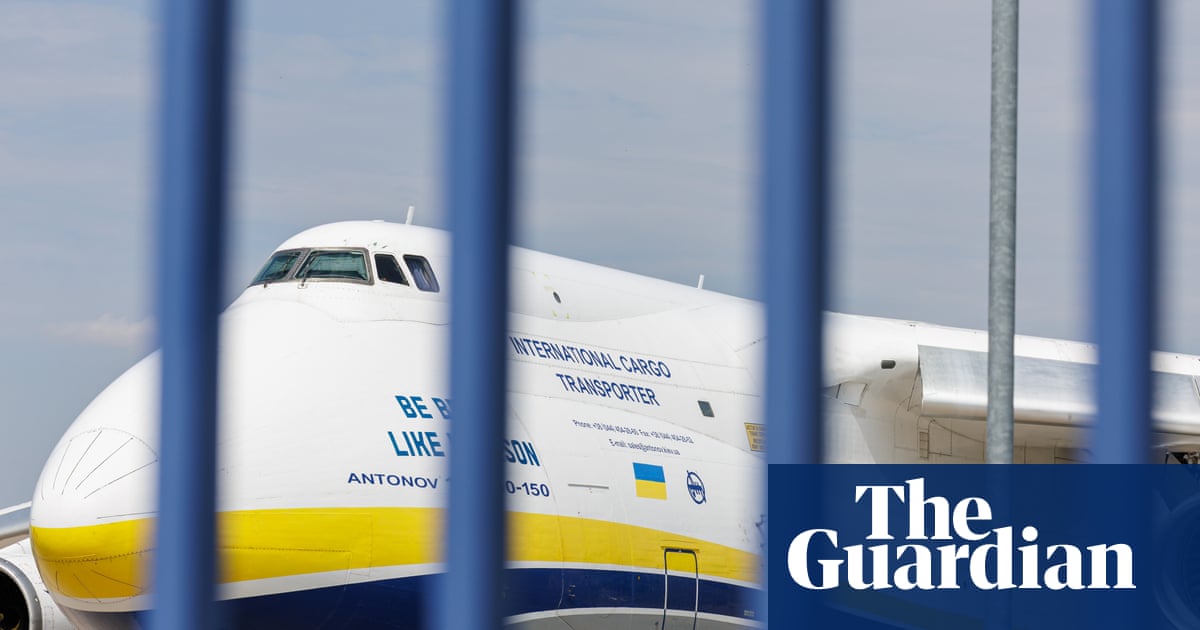
The incident occurred on the night of August 4, when security personnel discovered a drone loaded with approximately 600 grams of explosives attached to the wing of a Ukrainian Antonov cargo plane. The aircraft was stationed in the airport’s secure area and is used to transport military aid to Ukraine. Although the detonator failed to trigger the explosive charge, authorities warned that a successful blast could have resulted in a catastrophic loss of life and significant infrastructure damage. A second drone was also reportedly involved in the plot.
In response to what Berlin describes as dangerous behavior by the Kremlin, Germany is implementing a series of immediate punitive measures. The Russian consulate in Bonn will be closed later this month, and the Russian House, a cultural and scientific institute in central Berlin, will be evicted from its rented building. Officials have alleged that the institute has served as a hub for espionage and hybrid attacks over recent years. Additionally, new blacklists of individuals will be compiled, and border controls for Russian nationals entering Germany will be tightened.
Berlin is also moving to address vulnerabilities in its maritime security posture. The government plans to clamp down on Russia’s shadow fleet, which consists of vessels illegally transporting Russian oil and other supplies through the Baltic and North Seas. While neighboring countries like Sweden and Finland actively track and disrupt these ships, Germany has previously lacked similar mechanisms, allowing vessels to exploit German waters within its foreign economic zones. This new initiative aims to close that security gap.
These national actions are coordinated with broader European efforts. The German government is supporting the European Commission’s proposed 22nd package of sanctions, which would target an additional 1,600 companies and organizations with ties to Russia. Foreign Minister Wadephul emphasized that while Germany is not at war, it faces daily threats from hybrid warfare tactics. He stated that the response would be proportionate, measured, yet resolute, reflecting the severity of the threat posed by Moscow’s destabilization attempts.
International allies have expressed strong support for Berlin’s stance. NATO Secretary General Mark Rutte and European Commission President Ursula von der Leyen pledged full solidarity with Germany, acknowledging the clear evidence presented regarding Moscow’s involvement. Rutte welcomed the announced measures, while von der Leyen vowed to maintain EU unity in the face of escalating aggression. Although the incident was reported to NATO partners, Germany has stated it does not intend to invoke Article 4 of the alliance treaty.
The announcement comes at a politically sensitive time, coinciding with upcoming elections in the eastern states of Saxony-Anhalt and Mecklenburg-Vorpommern. The war in Ukraine and relations with Russia have become central issues in these campaigns. The far-right Alternative for Deutschland party has criticized the government’s response, accusing it of double standards. AfD representatives have demanded that the same rigor applied to the Leipzig investigation be used to examine allegations against Ukraine regarding the Nord Stream pipeline attacks.
Russian President Vladimir Putin dismissed the new sanctions as a serious mistake aimed at currying favor with voters rather than serving the interests of the German people. The Russian ambassador was summoned to the foreign ministry to receive notification of the consequences. This development marks the lowest point in decades for relations between Russia and the EU’s largest member, further straining ties that had already deteriorated significantly following Russia’s full-scale invasion of Ukraine.
The government’s decision to publicly name Russia as responsible represents a shift from previous caution. By linking the airport incident directly to state-sponsored hybrid warfare, Berlin aims to deter future attacks while demonstrating resolve to domestic and international audiences. The combination of diplomatic expulsions, economic sanctions, and enhanced security measures signals a comprehensive strategy to counter perceived threats from Moscow.
As Germany implements these new policies, the focus will remain on preventing further incidents while managing the political fallout both domestically and internationally. The effectiveness of the shadow fleet crackdown and the impact of tightened border controls will be closely monitored. Meanwhile, the upcoming regional elections may provide insight into how German voters perceive the government’s hardline stance against Russia amid ongoing geopolitical tensions.
Sources behind this briefing
Go to the original reporting
- The Guardian World↗Germany blames Russia for drone attack at Leipzig airport

