The short version
- Munich prosecutors have identified Bernd V as the likely perpetrator of the 1970 arson attack on a Jewish retirement home.
- The suspect, who died in 2020, was known for antisemitic views and had previously been investigated but cleared due to lack of evidence.
- New testimony from a witness relative provided compelling grounds for the identification, though no legal charges can be filed.
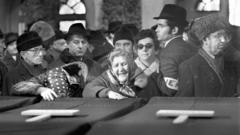
German authorities have concluded their investigation into one of the most severe antisemitic attacks in post-war Germany, identifying a suspect responsible for a deadly arson attack in Munich nearly six decades ago. Prosecutors now believe that Bernd V, a man who died in 2020, set fire to a Jewish community center on February 13, 1970. The blaze killed seven Holocaust survivors and injured fifteen others, an event that has long been viewed as a profound failure of justice for the victims and their families.
The identification comes after the case was reopened last year, following its closure in 2017 due to insufficient evidence. A woman came forward with credible information regarding the suspect’s involvement, having learned details from a close relative who knew Bernd V well. Prosecutors stated that this new testimony provided compelling grounds to point to the deceased man as the perpetrator, despite the presumption of innocence technically remaining until death.
According to official accounts, the attack began shortly before 9:00 p.m. when the suspect poured petrol into the wooden stairwell of the building located on Reichenbachstrasse. He then ignited the fuel, causing flames to spread rapidly to the upper floors. While many residents managed to escape to the roof or were rescued by emergency responders, four victims perished in the stairwell and another died after jumping from a window in an attempt to flee the inferno.
Investigators have pieced together a narrative of motive based on witness recollections and historical records. The suspect was reportedly heard near the building shortly before the fire, making statements indicating he believed Jewish people possessed wealth and expressing a desire to burn them. These remarks were corroborated by other family members of the primary witness. Additionally, acquaintances described the man as having an obsession with Adolf Hitler, noting that he listened to recordings of Nazi speeches during his youth.
Bernd V’s history included prior legal troubles and documented antisemitic sentiments. At the time of the arson, he was twenty-five years old. A former teacher reported that the suspect had used a dagger associated with the Hitler Youth, which had been given to him by his father, during a past confrontation. He also held a juvenile conviction for destroying two telephone kiosks, suggesting a pattern of violent behavior and ideological extremism.
The path to this conclusion was obstructed by earlier investigative shortcomings. Records indicate that Bernd V’s name had surfaced in police inquiries as early as the 1970s, reportedly brought up by a fellow inmate who shared a prison cell with him. However, authorities at the time lacked conclusive proof and dropped the investigation against him. This initial failure to pursue the lead has been characterized by officials as a significant lapse in handling a notorious crime.
Recent reporting suggests that the suspect’s actions on the night of the fire may have been triggered by frustration over a failed criminal endeavor. The witness’s relative, who had been involved in a burglary ring, participated in an unsuccessful attempt to rob a jewelry store near Gärtnerplatz on the same evening. This botched raid reportedly infuriated Bernd V, stirring him into what witnesses described as an antisemitic rage that culminated in the attack on the retirement home.
While the identification provides a degree of closure for the community and historians, it does not result in legal accountability for the suspect. Prosecutors emphasized that there is no reliable evidence suggesting accomplices were involved in the arson. The case remains a stark reminder of the challenges in prosecuting hate crimes from the distant past, where evidence degrades and witnesses pass away before justice can be formally administered.
The resolution of this cold case underscores the persistent efforts by German authorities to address historical injustices against Jewish communities. Although the suspect is deceased and no trial will occur, the official acknowledgment of his role serves as a formal record of responsibility. The incident continues to resonate as a tragic chapter in Germany’s post-war history, highlighting both the brutality of neo-Nazi violence and the complexities of achieving justice across generations.
Moving forward, the findings are expected to be integrated into broader historical analyses of antisemitic violence in Germany during the late twentieth century. The reopening of the case demonstrates a renewed commitment to examining unresolved crimes from this era, even when legal remedies are no longer possible. For the families of the victims, the identification offers a factual endpoint to a mystery that has lingered for more than half a century.
Sources behind this briefing
Go to the original reporting
- BBC World↗German neo-Nazi suspected of deadly 1970 fire at Jewish retirement home

