The short version
- Hubert Aiwanger, 55, was found dead in his hotel room in Berlin-Mitte on Wednesday.
- Police and prosecutors have opened an investigation to rule out third-party culpability.
- Aiwanger had missed a scheduled party event due to illness prior to being discovered.
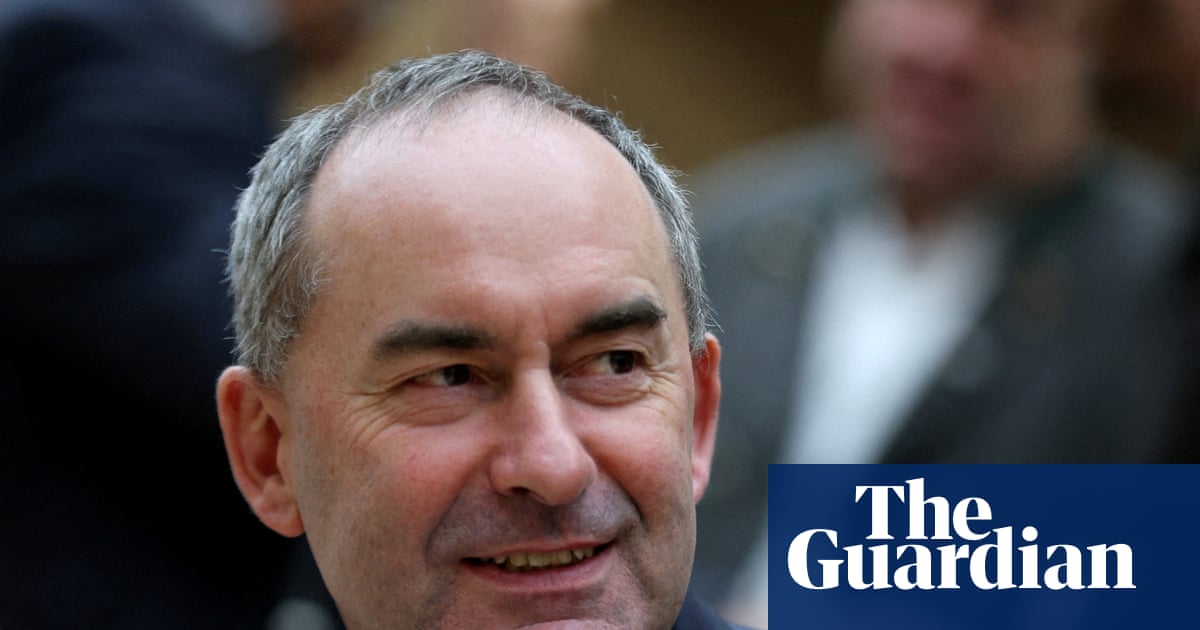
Hubert Aiwanger, a prominent German politician who served as the deputy leader of Bavaria and head of the populist Free Voters party, was found dead in a Berlin hotel on Wednesday. Police confirmed the discovery in a statement, noting that the 55-year-old was located in his room within the Berlin-Mitte district. The immediate cause of death remains unclear, prompting authorities to launch a formal investigation into the circumstances surrounding his passing.
According to law enforcement officials, the primary objective of the ongoing inquiry is to establish the specific cause of death and the events leading up to it. Prosecutors and police emphasized that the probe aims to rule out any possible third-party culpability. No further details regarding the nature of the investigation or potential suspects were provided in the initial statement released by authorities.
Aiwanger had traveled to Berlin with the intention of attending the opening ceremony for a new office dedicated to his political party. However, he did not appear at the event. The Bild daily reported that Aiwanger had stayed away from the gathering because he was feeling unwell. It was only after this absence that police were called to the hotel, where they subsequently discovered his body.
The death has drawn immediate reactions from political colleagues and regional leaders. Markus Soeder, the premier of Bavaria, described the event as an “absolute tragedy” in a public statement. Soeder expressed deep shock on behalf of the state leadership, adding that thoughts were with Aiwanger’s family and children during this difficult time. The reaction underscores the suddenness of the loss within the regional political sphere.
Aiwanger held significant influence in southern German politics as the leader of the Free Voters party since 2006. Under his guidance, the party achieved a historic breakthrough by entering the state government for the first time in 2018. The Free Voters served as junior partners in the regional administration led by Soeder’s Christian Social Union (CSU). Despite this regional success, the party never secured enough seats to qualify for representation in Germany’s federal parliament.
In addition to his role as party leader, Aiwanger served as the Bavarian economy minister. His position placed him at the center of key economic decisions within the state. The combination of his executive responsibilities and his leadership of a coalition partner made his death a significant event for the stability and direction of the Bavarian government.
Aiwanger’s political career was not without controversy. In 2023, he faced national scrutiny after reports emerged that he had written an antisemitic pamphlet as a 17-year-old schoolboy. The document described Auschwitz as an “entertainment quarter.” Aiwanger denied authorship of the text but admitted to possessing one or a few copies in his school bag. He issued an apology regarding the incident but refused to resign from his political positions at that time.
Personal details about Aiwanger’s life were also shared by German media outlets following the news of his death. Reports indicated that he had two children and lived with his partner. The investigation into his death is expected to continue as authorities work to clarify the timeline and medical factors involved. Until the probe concludes, the exact circumstances of his passing remain unresolved.
The discovery of Aiwanger’s body has triggered a period of uncertainty for the Free Voters party and the Bavarian state government. With the deputy leader gone, questions regarding succession and the future of the coalition partnership are likely to arise. For now, the focus remains on the official investigation and the support for his family during this tragic period.
Sources behind this briefing
Go to the original reporting
- The Guardian World↗Hubert Aiwanger, prominent German politician, found dead in Berlin hotel
