The short version
- Authorities discovered a third drone and suspected military explosives near Leipzig airport, indicating a potentially larger attack plan.
- German Chancellor Friedrich Merz stated the government is working with security agencies to identify those responsible for the incidents.
- Intelligence sources suspect Russian involvement in the sabotage attempts, though Moscow denies any connection to the events.
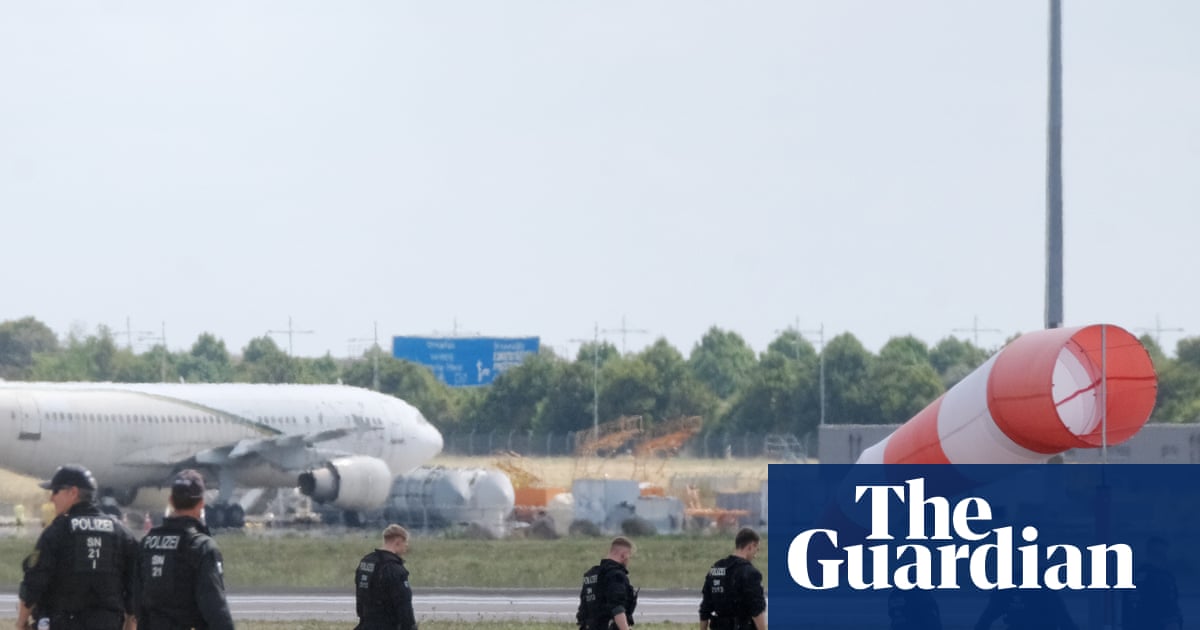
German investigators have uncovered a third drone and suspected military explosives in the vicinity of Leipzig airport, revealing what officials describe as a more extensive sabotage plot than initially apparent. The discovery occurred in Kabelsketal, located just west of the airfield, on August 14, ten days after an unsuccessful attempt to disrupt operations at the facility. This finding adds significant complexity to an ongoing investigation into security breaches at one of Europe’s most critical cargo and military logistics hubs.
The airport serves as a vital node for NATO supply chains and is utilized by Ukraine’s Antonov Airlines for transporting military equipment. The initial incident involved a drone carrying explosives found near an Antonov cargo plane on August 4. Investigators determined that the device was intended to land on the aircraft’s wings, which were filled with kerosene, but the explosive failed to detonate. This failure prevented what could have been a catastrophic event, according to German officials who emphasized the potential severity of the outcome had the device functioned as designed.
Approximately twenty minutes after the first drone was discovered, a second incident occurred involving a DHL cargo plane. The aircraft was forced to abort its landing maneuver and divert to Marseille after possibly colliding with an object. Subsequent inspections revealed damage to the tail section of the DHL plane, suggesting an impact with a foreign object. However, the drone involved in this collision has not been recovered. Investigators believe it may have been ingested by the aircraft’s engines, resulting in it being shredded into small, unrecoverable pieces.
The latest discovery involves a third drone found in a field bordering the western edge of the airport. Forensic technicians from the federal criminal police office identified residues of a substance that initial assessments indicate could be hexogen, a highly explosive military compound. Like the previous devices, this explosive also failed to detonate. The presence of this material suggests that the perpetrators may have planned a far larger attack than previously known to the public, raising serious questions about the scope and intent of the sabotage campaign.
Additional suspicious traces were found in the area surrounding the airport. In Kursdorf, investigators discovered an antenna attached to a tree, along with other electronic components that may have been used to control the drones. Nearby, witnesses reported hearing a loud bang on the day of the incident. At this location, authorities found a burnt patch and charred metal parts, further indicating active efforts to disrupt airport operations. These findings underscore the sophistication and coordination involved in the attempted attacks.
German Chancellor Friedrich Merz addressed the situation during a cabinet meeting in Brandenburg, stating that the government would soon provide information about who it believes is behind the drone attacks. He emphasized that those responsible will face consequences, though he stopped short of naming specific suspects. Merz noted that Germany is increasingly becoming a target for such ruthless attacks, which are willing to cause serious property damage and potentially harm lives. The government is working intensively with security authorities to present their findings and comment on them shortly.
Intelligence sources cited by broadcasters NDR and WDR, as well as the newspaper Süddeutsche Zeitung, suspect the involvement of Russian intelligence in the attempted attack. Moscow has denied any involvement in the incidents. Despite these suspicions, the German government has so far avoided expressing a clear position on whether it believes Russia or an actor close to it is responsible. This cautious approach reflects the complexity of attributing such attacks and the need for concrete evidence before making public accusations.
The office of the prosecutor general, which is leading the investigation, declined to comment on the latest developments. However, the discovery of the third drone and explosives highlights the ongoing threat to critical infrastructure in Germany. The incidents have raised concerns about the security of airports used for military logistics and the potential for future attacks. As investigations continue, authorities are likely to implement enhanced security measures to prevent similar disruptions at Leipzig airport and other key facilities across the country.
Sources behind this briefing
Go to the original reporting
- The Guardian World↗Third drone and suspected military explosives found near Leipzig airport

